
Texting Etiquette in Early Dating: Unwritten Rules Worth Knowing

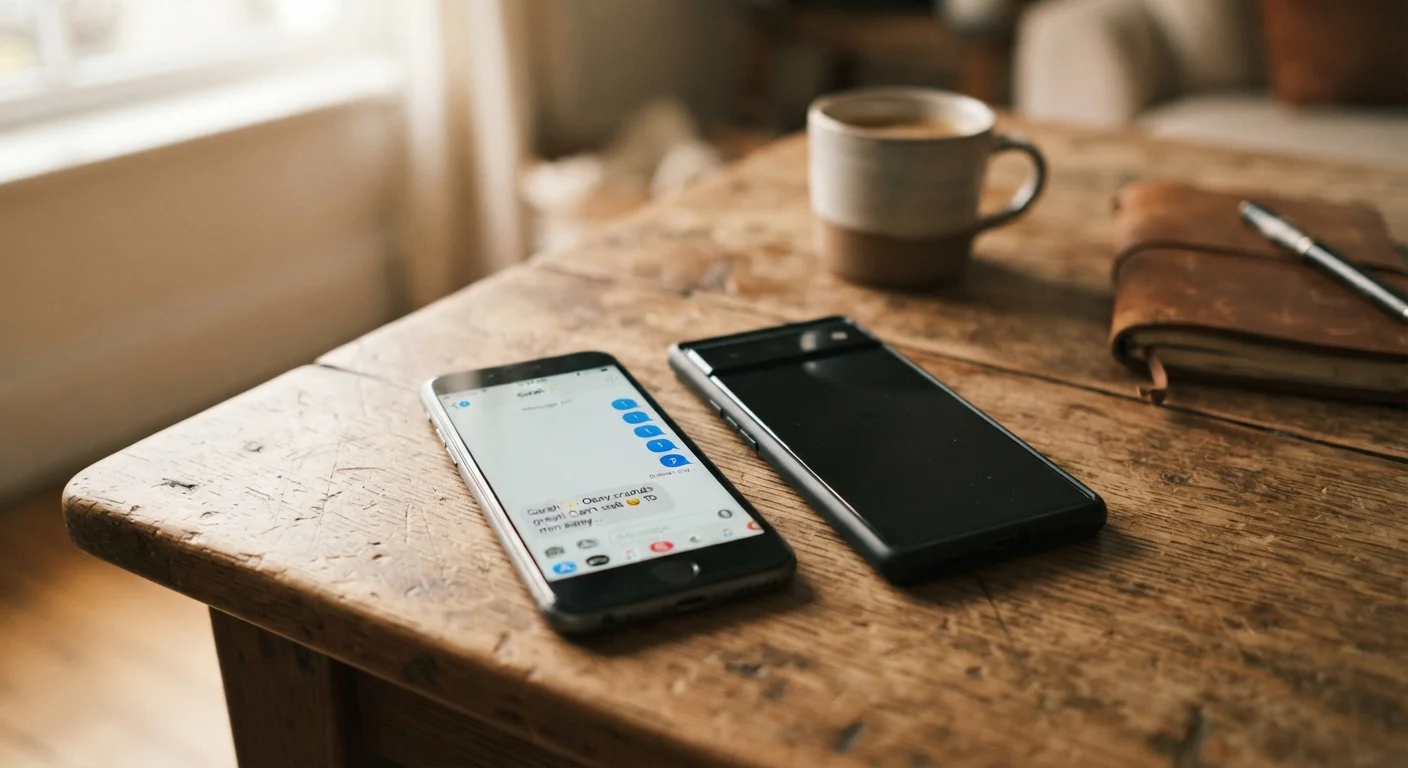
Response times, tone, and frequency all carry weight in early dating. Understand the informal norms that shape digital chemistry.
Why texting norms matter in early dating
When two people are still figuring out if they like each other, text messages carry more interpretive weight than almost any other form of communication. A slow reply might read as disinterest. Three messages in a row might feel like pressure. Lowercase-only texts can seem casual and warm, or careless, depending on the reader.
None of these impressions are necessarily accurate, but they shape how early dating unfolds. Understanding the informal norms around digital communication helps reduce unnecessary anxiety and avoids misreading ordinary behavior as a signal it was never meant to send.
These norms are not universal rules. They vary by age, background, and individual preference. What follows describes patterns that tend to occur in adult dating culture in the United States, not a code that everyone follows or should follow.
| Primary communication channel | Text messaging (SMS and app-based) |
| Tone risk | High - text lacks vocal and facial cues |
| Common early-dating norm | Roughly reciprocal message frequency |
| When to consider a phone call | Any exchange with ambiguity or rising tension |
| Read receipts | Many people disable them to reduce pressure |
| Response delay as strategy | Often read as disinterest or game-playing |
Response time: what it signals and what it does not
Delaying a reply to seem less eager is a common impulse, but performing disinterest often creates confusion rather than appeal. Most people are aware of "the wait" as a tactic, which means an artificially long response gap is often read as either a game or genuine indifference.
A more useful frame: reply when it is natural and convenient for you. If you saw the message and want to respond, responding quickly is fine. If you are genuinely busy, replying when you have attention to give is also fine. The problem arises when delay is deliberate strategy rather than actual circumstance.
Long gaps without explanation, especially after warm exchanges, can generate anxiety in the other person. A short "in a meeting, will reply later" removes that uncertainty without committing to anything more.
Frequency and volume: reading the conversation's rhythm
Early texting works best when it feels reciprocal. If one person sends four messages to the other's one, the imbalance tends to register, even if neither person consciously tracks it. Matching energy roughly, without mimicking every choice the other person makes, is a reasonable approach.
Content matters too. Texting that stays entirely logistical ("where are we meeting, what time") without any warmth can make a connection feel transactional. On the other end, very long messages that require significant emotional effort to reply to can feel like pressure in a relationship that is still new.
Good early texting often has some substance and some lightness. Sharing a small observation, asking one genuine question, or responding to something the other person actually said all indicate you are paying attention without demanding a lot in return.
Pacing in new relationships extends to texting. Moving from brief exchanges to daily multi-hour conversations very quickly can feel intense and, for some people, uncomfortable, even when the interest is real.
Tone, clarity, and the limits of text as a medium
Text strips out vocal tone, facial expression, and timing, which means sarcasm, teasing, and ambiguous comments have a high failure rate in early exchanges when two people do not yet know each other's communication style. A joke that lands in person can read as a criticism over text.
If you tend toward dry humor or blunt phrasing, it is worth being slightly more explicit early on. This is not about being inauthentic; it is about accounting for the medium's limitations. An emoji or a "haha" after a joke is genuinely useful context, not childish filler.
Read receipts and typing indicators are worth acknowledging as sources of extra pressure. Many people turn them off for exactly that reason. If you see them and the person has not responded, sitting with that discomfort rather than sending a follow-up message is usually the better choice.
Common dating beliefs, including rules about who texts first, often have less grounding in reality than they seem. The idea that the person who texts last is somehow at a disadvantage, for example, does not hold up well under scrutiny.
When to move the conversation off text
Text is useful for maintaining connection between in-person meetings, but it has a ceiling. Emotional conversations, misunderstandings, and anything that requires nuance tend to land better over a phone call or face to face.
If a conversation starts to feel tense or ambiguous over text, suggesting a call is a reasonable choice rather than trying to resolve it through increasingly careful message drafting. The social dynamics of digital communication across different contexts reward people who can read when a medium is limiting them and shift accordingly.
A simple benchmark: if you are spending significant time analyzing or rewriting a message, the issue is probably better handled in a format that allows for immediate back-and-forth. That recognition, in itself, is a practical piece of texting literacy.
This article is for general informational purposes only and does not constitute relationship counseling or professional advice.
The content on this site is for informational purposes only and is not a substitute for professional advice. Always consult a qualified professional for guidance specific to your situation.