
Tax-Advantaged Accounts Demystified: ISAs, SIPPs, and Their Purpose

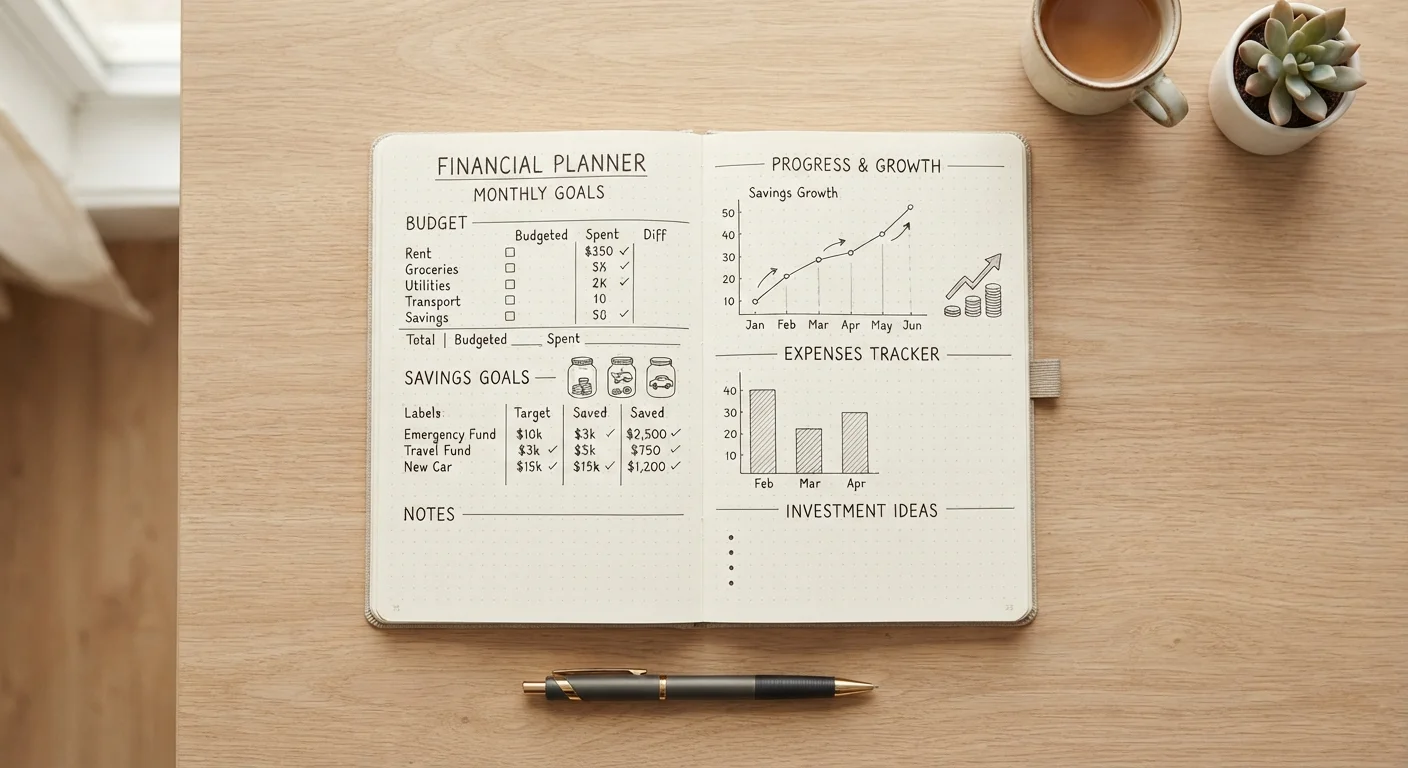
Understand the main tax-sheltered account wrappers available to UK investors, what each one is designed for, and how they differ.
Key takeaways
- ISAs shelter savings and investments from income tax and capital gains tax, with no tax on withdrawals.
- SIPPs provide upfront tax relief on contributions but tax withdrawals as income in retirement.
- Annual allowances cap how much you can contribute to each account type in a given tax year.
- Both account types are wrappers, meaning the tax benefit comes from the account structure, not the investments inside.
- Choosing between an ISA and a SIPP depends largely on when you need access to your money.
- Consulting a qualified financial adviser helps match account choices to your personal circumstances.
Why tax wrappers matter
When you invest outside a tax-advantaged account, HMRC can tax the gains your investments produce, the dividends they pay, and in some cases the interest they earn. Over many years, that tax drag adds up considerably. Tax-advantaged wrappers exist to remove or reduce that friction.
Two wrappers most UK savers and investors encounter are the ISA and the SIPP. They are not investment types in themselves. They are the account structures that determine how the government taxes whatever sits inside them. For a broader grounding in investing language, the investing glossary for beginners covers the core terms you will come across.
Use the full tax year before it resets
ISA allowances cannot be carried forward. If you do not use your 20,000-pound allowance before the end of the tax year on April 5, it disappears. Even modest regular contributions throughout the year make it easier to use the allowance without needing a large lump sum at the deadline.
The ISA: tax-free savings and investment
An ISA (Individual Savings Account) shelters money from both income tax and capital gains tax. Growth inside the account is not taxed, dividends are not taxed, and you can withdraw at any point without a tax bill. The UK government sets an annual allowance, currently 20,000 pounds per adult per tax year, on total ISA contributions.
There are several ISA types. A Cash ISA works like a standard savings account but with the interest protected from tax. A Stocks and Shares ISA lets you hold market investments such as funds or shares inside the same tax-free structure. A Lifetime ISA (LISA) is aimed at first-time buyers or retirement saving and comes with a 25% government bonus on contributions up to 4,000 pounds a year, though withdrawal rules are strict.
The ISA's main strength is flexibility. Because withdrawals are not taxed, the account suits goals with shorter or uncertain time horizons, such as saving for a home purchase or building an accessible emergency fund above normal savings limits. See how fees inside any investment account can affect outcomes over time in this piece on understanding investment fees.
The SIPP: pension saving with upfront tax relief
A SIPP (Self-Invested Personal Pension) is a pension wrapper that lets individuals choose and manage their own investments. The defining feature is tax relief on contributions. If you pay basic-rate tax (20%), the government adds 20% on top of what you contribute, effectively boosting each pound you put in. Higher-rate taxpayers can claim additional relief through their tax return.
Inside the SIPP, growth and income are sheltered from tax in the same way as an ISA. The difference comes at withdrawal. From age 57 (under rules taking effect in 2028, currently 55), you can typically take up to 25% of your pension pot as a tax-free lump sum; the rest is withdrawn as income and taxed accordingly. That means the tax relief you received on the way in is partially recouped by HMRC on the way out, though many retirees draw down at a lower tax rate than they paid during their working years.
20,000
Annual ISA allowance in pounds
The adult ISA subscription limit set by HMRC, applying across all ISA types combined in a single tax year.
60,000
Standard SIPP annual allowance in pounds
The pension annual allowance most UK earners face, though a tapered reduction applies to those with higher adjusted incomes.
25%
Tax-free lump sum from a SIPP
Up to a quarter of a pension pot can typically be withdrawn tax-free from age 55 (rising to 57 in 2028) under current UK pension rules.
For those with a long investment horizon, the compounding effect of tax relief at the point of contribution can make a material difference to final pension size. The article on investing in your twenties explains why time amplifies this kind of structural advantage.
Choosing the right wrapper for your goals
The most straightforward way to think about the difference: if you need the flexibility to access funds before retirement, an ISA suits that better. If you want to maximise tax relief now and are comfortable locking money away until your late fifties, a SIPP offers a stronger upfront benefit. Many people use both, contributing to a SIPP for long-term retirement provision while keeping an ISA for medium-term goals.
Annual allowances apply to both. Exceeding the ISA limit in a single tax year results in a tax charge. SIPP contributions are limited to the lower of your annual earnings or the pension annual allowance (currently 60,000 pounds for most people, though a tapered allowance applies to higher earners). These rules change over time, so checking current HMRC guidance or speaking with a qualified financial adviser before making large contributions is worthwhile.
If you are ready to take a practical next step, the walkthrough for opening a first investment account covers what to expect when you set one up. For a full foundation before going further, the complete beginner's guide to investing lays out every core concept in plain language.
This article is for general informational and educational purposes only. It does not constitute personalised financial or tax advice. Tax rules can change, and their impact depends on individual circumstances. Consult a qualified financial adviser or tax professional before making decisions about your savings and investments.
Frequently Asked Questions
The content on this site is for informational purposes only and is not a substitute for professional advice. Always consult a qualified professional for guidance specific to your situation.