
Fixed Costs vs. Variable Expenses: Knowing the Difference Shapes a Better Budget

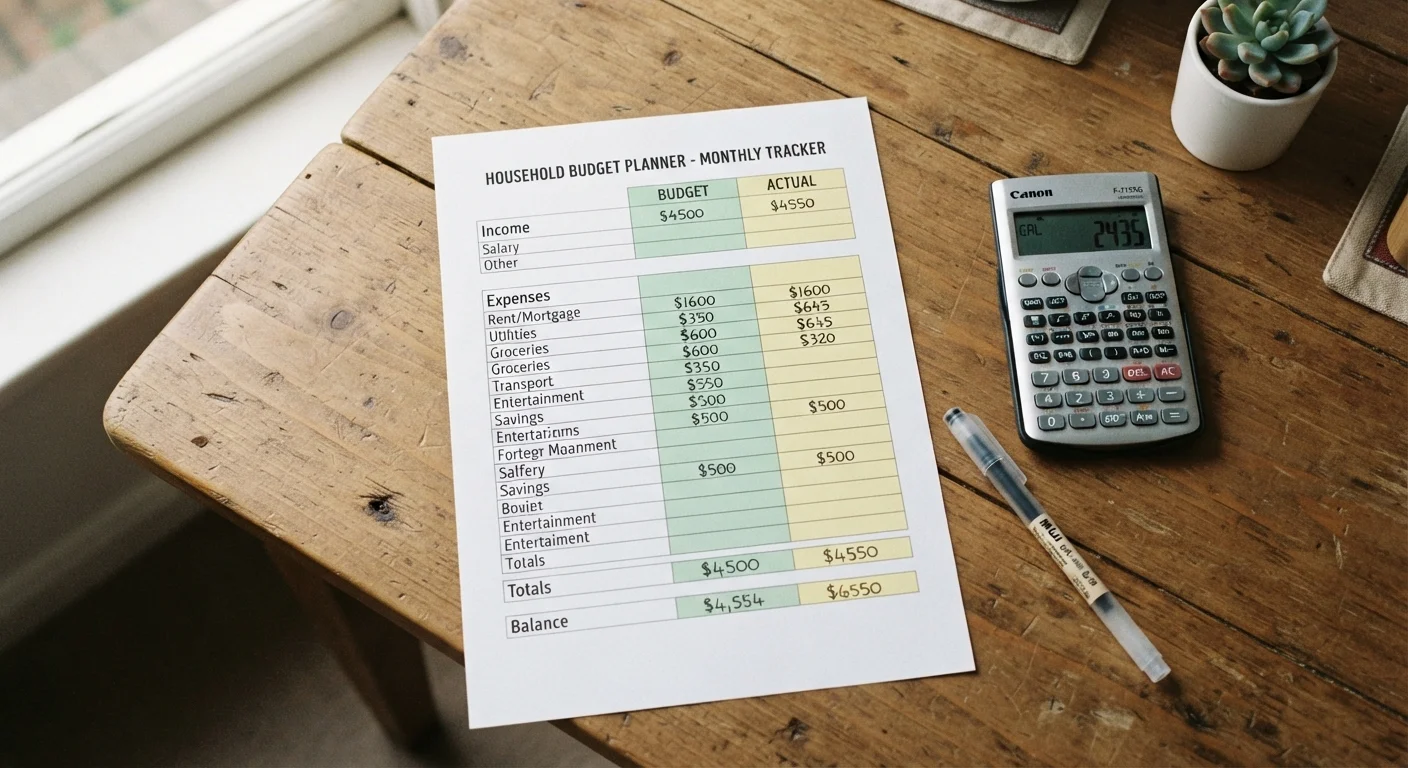
Fixed and variable expenses behave differently and need different strategies. This guide explains both and shows how to plan around each type.
Option A
Fixed costs
The predictable, recurring baseline of every budget.
Best for: Anchoring your budget with amounts you can count on month after month.
Option B
Variable expenses
The flexible category where most spending decisions happen.
Best for: Identifying where you have real control to adjust spending when needed.
Key takeaways
- Fixed costs stay the same each month; variable expenses change based on your behavior or circumstances.
- Fixed costs are harder to reduce quickly, but variable expenses can be adjusted in real time.
- Most budgets fail because people only track totals without separating these two types of spending.
- Variable expenses include both necessities and discretionary spending, so they need closer attention.
- Knowing which category an expense falls into tells you exactly where to look when money is tight.
What makes a cost fixed or variable
A fixed cost is any expense that charges you the same amount on a predictable schedule, regardless of how much you use a service or how your month unfolds. Rent or mortgage payments, car loan installments, insurance premiums, and most subscription services are fixed costs. The dollar amount is set in advance, so you can write it into a budget before the month starts and it will not change.
A variable expense is one where the amount shifts from period to period. Groceries, gas, dining out, clothing, and utility bills all fall here. Some of these are genuine necessities; others are discretionary. What they share is that your choices and circumstances directly influence the final number each month.
The distinction matters because each type requires a different planning approach. Fixed costs need to be listed and accepted. Variable expenses need to be estimated, tracked, and sometimes adjusted. Treating both the same way is why many budgets feel inaccurate by mid-month.
| Criterion | Fixed costs | Variable expenses |
|---|---|---|
| Amount each month | Same every billing cycle | Changes based on use or choices |
| Examples | Rent, car loan, insurance premium | Groceries, gas, dining out, utilities |
| Predictability | High; known in advance | Low to moderate; requires estimation |
| Ease of reducing quickly | Low; often tied to contracts | High; can be cut within days |
| Budget planning approach | List and accept the total | Estimate, track, and adjust monthly |
| Risk of surprise overspend | Low | Higher without active tracking |
How to handle fixed costs in a budget
Start any budget by listing every fixed cost and adding them up. That total is your floor: the minimum you must cover no matter what else happens. If your income after taxes does not reliably clear that number, the budget has a structural problem that needs attention before anything else.
Fixed costs are difficult to change in the short term. Lowering your rent usually means moving. Getting out of a car loan often involves penalties or refinancing. That is not a reason to ignore them, but it does mean reductions require planning over weeks or months, not an overnight decision. When you do have the opportunity to renegotiate, such as when a lease is up for renewal or an insurance policy comes due, comparing options can make a meaningful difference over time.
For households with variable income, covering fixed costs first in any month creates a reliable safety net. Budgeting without a fixed paycheck requires this kind of triage thinking, where you protect the non-negotiable expenses before allocating anything else.
How to handle variable expenses in a budget
Variable expenses are where most active budgeting decisions happen. Because the amounts change, you need to estimate them before the month starts and then track actual spending as you go. A common method is to look at two or three prior months of bank or card statements, find an average for each category, and use that as your target.
Within variable expenses, the split between necessities and discretionary spending matters. Groceries are a need; restaurant meals are typically a choice. Gas to commute is a need; a road trip is a choice. Discretionary spending is the portion of variable expenses where cuts are most available without affecting essential needs.
Some variable expenses show up irregularly rather than monthly. Car registration, annual subscriptions, and seasonal costs like holiday gifts can blindside a budget if you only plan month to month. Setting aside a small amount each month to cover those future costs is a practical fix. Sinking funds work specifically for this purpose.
Using both categories together to build a working budget
A budget that separates fixed from variable expenses is easier to troubleshoot. When you finish a month over budget, you can check whether the overrun was in a fixed cost (unusual, and worth investigating) or a variable category (common, and usually addressable). Without that separation, you are looking at one undifferentiated pile of numbers.
The basic structure works like this: calculate net monthly income, subtract total fixed costs, and what remains is the amount available to cover variable expenses and savings. If the remainder is thin, the variable expense categories are where you have real leverage. If fixed costs consume most of your income, the longer-term goal is to reduce one of them when the opportunity comes.
Couples managing shared finances add another layer, since each person may bring fixed commitments into the combined budget. Budgeting as a couple covers how to map those commitments together before deciding how to split variable costs. The same fixed-versus-variable framework applies; there are just more line items to account for.
For anyone working to pay down debt or build savings, mapping fixed versus flexible expenses is the foundation. Knowing your fixed floor tells you exactly how much room you have to work with each month.
This article is for general informational and educational purposes only and is not personalized financial advice. Consult a qualified financial professional for guidance specific to your situation.
The content on this site is for informational purposes only and is not a substitute for professional advice. Always consult a qualified professional for guidance specific to your situation.