
Mobility Work Explained: Why It Matters Beyond Stretching

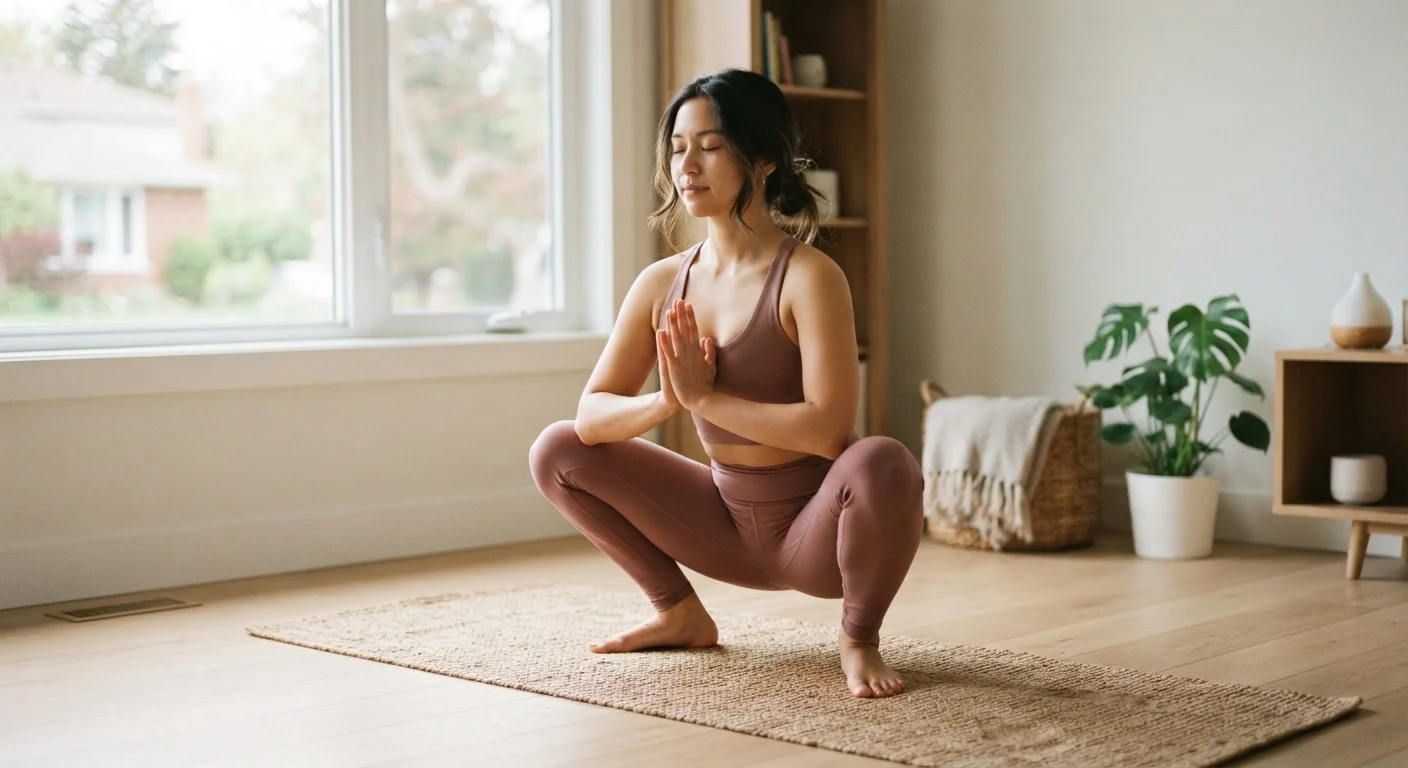
Mobility is more than touching your toes. Learn what it involves, how it differs from flexibility, and why everyday adults benefit from it.
Key takeaways
- Mobility is active and controlled, while flexibility is passive tissue lengthening.
- Regular mobility work can reduce stiffness, improve posture, and lower injury risk.
- Short, consistent sessions matter more than long, infrequent ones.
- Mobility work fits into any schedule, including mornings, work breaks, or post-walk cooldowns.
- Anyone can begin mobility work regardless of current fitness level.
Flexibility vs. mobility: what is the actual difference?
Flexibility describes how far a muscle can lengthen passively, such as when someone else gently pushes your leg upward. Mobility describes how far you can move a joint under your own control, with your muscles actively working. A person can be flexible without being mobile, and that gap matters more than most people realize.
Picture someone who can easily pull their knee to their chest while lying down (passive flexibility) but cannot hold a full squat for more than a second without losing balance (limited mobility). The tissue length exists, but the neuromuscular control to use it does not. Mobility work builds that control alongside the range.
This distinction has real consequences. Passive flexibility alone does not prepare your body to catch yourself on an uneven sidewalk, lift a box from a low shelf, or sit comfortably for hours without compensation somewhere else in the spine.
What mobility work actually involves
Mobility work can look like several things, and none of them require a gym membership or specialized equipment.
- Controlled articular rotations (CARs): slow, deliberate circles through a joint's full range, commonly used at the shoulder, hip, and ankle.
- Active stretching: moving into a position using your own muscle effort, rather than gravity or an external force holding you there.
- Loaded mobility: performing movements like a goblet squat or a hip hinge with light resistance, which trains the joint to handle force across a wider range.
- Breath-supported holds: moving to the edge of your current range, then using controlled breathing to relax into more space without forcing.
A mobility session does not need to be long. Ten minutes of deliberate, unhurried movement done consistently produces more change than occasional long sessions done once a week.
Start with what already feels stiff
You do not need a structured program on day one. Begin by noticing which joints feel restricted in your normal day: hips after sitting, shoulders after desk work, ankles after long periods of standing. Spending two to three minutes moving each of those areas through a comfortable range is a legitimate starting point. Build from there as the habit becomes automatic.
If you are looking for a way to fit this into your week without overhauling your schedule, the simple weekly movement plan offers a practical starting structure.
Why everyday adults benefit from it
Stiffness is not only a training problem. Long hours sitting, repetitive movements at work, and a general reduction in varied physical activity all narrow the range of motion a body regularly uses. Over time, the nervous system simply stops accessing ranges it never practices, and tissue adapts accordingly.
80%
Adults who experience low back pain at some point
According to the National Institute of Neurological Disorders and Stroke, low back pain is one of the most common reasons adults seek medical care in the United States.
6-8 hrs
Average daily sitting time for U.S. adults
Research published in the American Journal of Epidemiology has found that many American adults spend the majority of waking hours in sedentary positions, contributing to joint stiffness over time.
Mobility work counters this pattern by regularly exposing joints to ranges beyond the narrow corridor of everyday habits. The benefits that tend to accumulate with consistent practice include:
- Less joint stiffness after periods of sitting or sleeping
- Better posture, because the thoracic spine and hips can hold more efficient positions with less effort
- Reduced compensation patterns, where one area overworks because another cannot move freely
- A lower risk of common overuse injuries tied to restricted movement
None of these outcomes are guaranteed, and individual results vary. But mobility work is low-risk, requires no special fitness base, and pairs well with whatever movement you already do. The everyday habits that support long-term physical health article looks at how movement quality fits alongside other factors like posture and hydration.
How to start without feeling overwhelmed
The barrier to starting mobility work is genuinely low. A few areas worth prioritizing for most adults are the hips, thoracic spine (the middle and upper back), and ankles, since these joints tend to stiffen first from sedentary patterns and have the broadest effect on overall movement quality.
A simple starting approach: spend two to three minutes on each area, moving slowly and within a pain-free range. If something feels sharp or causes pain rather than mild discomfort, stop and speak with a physical therapist or qualified healthcare provider before continuing.
You do not need a dedicated block of time set aside. Mobility work attaches naturally to existing routines: before a morning walk, during a break from the desk, or after a workout as part of cooling down. The practical approaches for staying active when life gets busy covers how to weave movement into a full schedule without adding more pressure to your day.
This article is for general informational purposes only and is not a substitute for professional medical or physical therapy advice. If you have a health condition, injury, or ongoing pain, consult a qualified healthcare provider before beginning any new exercise practice.
Frequently Asked Questions
The content on this site is for informational purposes only and is not a substitute for professional advice. Always consult a qualified professional for guidance specific to your situation.