
Staying Active When Life Gets Busy: Practical Approaches That Work

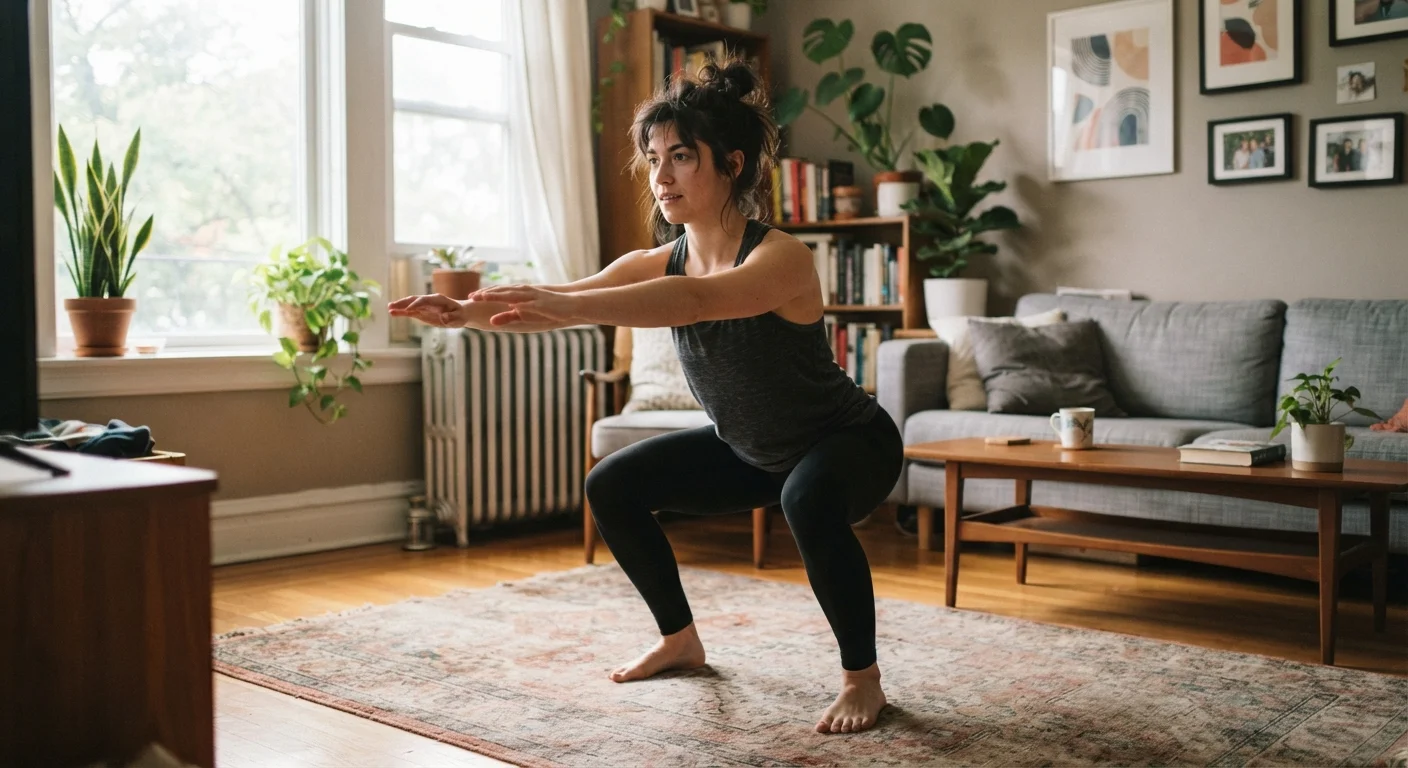
Short on time? Learn how to weave movement into a full schedule without relying on long gym sessions or rigid routines.
Key takeaways
- Short movement sessions throughout the day add up to meaningful physical activity over time.
- Consistency over duration matters more than any single long workout.
- Attaching movement to existing habits is more reliable than scheduling separate exercise blocks.
- Bodyweight exercises and walking require no equipment and fit almost any schedule.
- Rest and recovery are part of an effective routine, not a break from one.
Why long workouts are not the only option
The idea that exercise only counts when it lasts 45 minutes or more stops a lot of people before they start. Physical activity guidelines from the U.S. Department of Health and Human Services describe a target of 150 minutes of moderate-intensity activity per week for adults, but those minutes do not have to come in large blocks. Ten-minute walks, a short bodyweight circuit before a shower, or a few sets of exercises during a lunch break all count toward that total.
Research published in journals such as the British Journal of Sports Medicine has found that even brief bouts of movement spread across the day can support cardiovascular health and reduce sedentary time. The body does not require a formal gym session to benefit from movement. What it responds to is frequency and consistency over time.
If you want a structured way to think about your week, a simple weekly movement plan can help you design one around your actual schedule rather than an ideal one.
Practical approaches that fit a full schedule
Attach movement to habits you already have
Habits that are anchored to existing routines require less willpower to maintain. When movement is paired with something you already do daily, the decision to do it is mostly already made.
Use commute and errand time as movement opportunities
Transport and errand time is time you were going to spend anyway. Adding walking or cycling where possible turns necessary travel into physical activity without requiring extra hours.
Keep sessions short enough to feel manageable
A 15-minute session you complete is more useful than a 60-minute session you skip. Reducing the perceived commitment lowers the barrier to starting on busy or low-energy days.
Track progress in ways beyond time or calories
When people measure only duration or calories, they often lose motivation because those numbers do not reflect real fitness gains. Tracking how a movement feels, how many repetitions you can complete, or how quickly you recover gives a more honest picture of progress.
Plan for disruption rather than assuming consistency
Schedules change, travel happens, and energy varies. Routines that account for disruption in advance, with a backup option for when the usual plan falls through, survive longer than rigid ones.
These approaches work across different lifestyles because they reduce the friction between intention and action. You do not need to overhaul your day to move more.
For a deeper look at how lower-intensity movement fits into a broader routine, comparing cardio formats can help you understand when each type makes sense.
Starting small without staying small
Beginning with whatever you can actually do this week is more productive than waiting for a better window. A 10-minute walk is a complete unit of exercise, not a warmup for something more serious. Over weeks, those walks tend to lengthen naturally because the habit is already in place.
Bodyweight movements such as squats, lunges, and push-ups can be done in a bedroom or living room with no equipment. They build functional strength that carries over into daily life. Mobility work pairs well with these movements and takes only a few minutes at the start or end of a session.
On days when effort feels unusually hard, perceived exertion fluctuates for real physiological reasons, so a lighter session still has value. Rest days are a required part of any effective plan, not a sign that a routine has fallen apart.
This article is for general informational purposes only and is not medical advice. If you have a health condition or have been inactive for an extended period, speak with a qualified healthcare professional before starting a new exercise routine.
The content on this site is for informational purposes only and is not a substitute for professional advice. Always consult a qualified professional for guidance specific to your situation.