
Breathing Techniques for Stress: What the Evidence Actually Supports

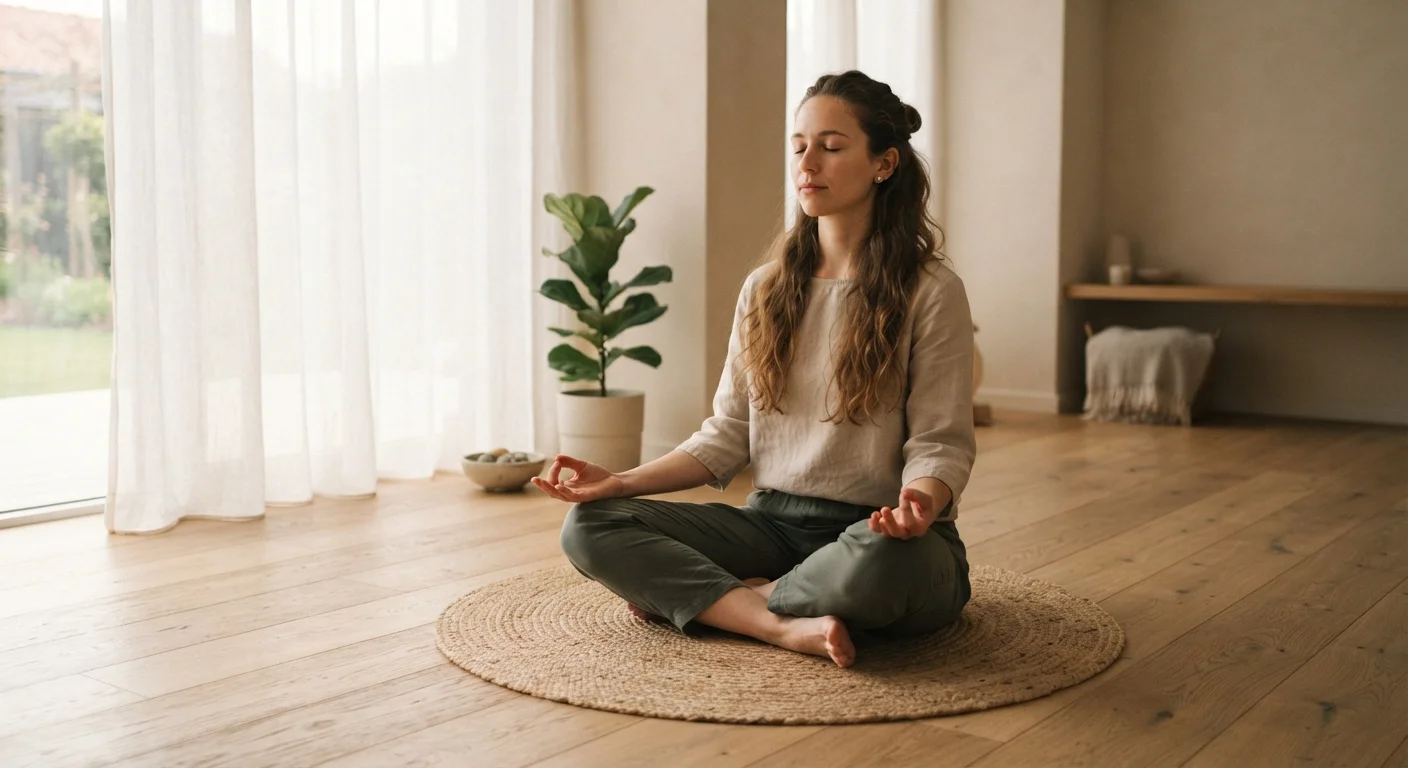
From box breathing to diaphragmatic breathing, this guide explains how specific techniques work and what research says about their effectiveness.
Key takeaways
- Slow, controlled breathing activates the parasympathetic nervous system, which counteracts the stress response.
- Diaphragmatic breathing and box breathing have the most consistent research support for reducing acute stress.
- Even two to five minutes of deliberate breathwork can produce measurable changes in heart rate and cortisol.
- No single technique works for everyone; trying a few and sticking with one that feels comfortable is the practical approach.
- Breathing exercises are a complement to professional support, not a substitute, for chronic or clinical anxiety.
Why breathing affects stress at all
The link between breathing and stress is physiological, not motivational. When you perceive a threat, your sympathetic nervous system (the so-called fight-or-flight system) increases your breathing rate, raises your heart rate, and releases cortisol. Deliberately slowing and deepening your breath sends the opposite signal. It activates the parasympathetic nervous system, sometimes called rest-and-digest, which lowers heart rate and reduces the physical tension that stress produces.
This pathway runs through the vagus nerve, the long nerve connecting the brain to most major organs. Slow exhalations in particular stimulate vagal tone, a measure of how responsive the parasympathetic system is. Higher vagal tone is associated with better stress recovery in general. This is the mechanism that makes breathing techniques worth taking seriously rather than treating them as simple relaxation folklore.
If you are new to thinking about stress from a physical angle, the introduction to stress management covers the broader picture well before you commit to any single approach.
Techniques with the clearest evidence
Diaphragmatic breathing (also called belly breathing or abdominal breathing) involves breathing so that the belly rises before the chest. Most adults breathe shallowly into the chest under stress, which keeps the sympathetic system engaged. A controlled trial published in Frontiers in Psychology found that participants who practiced diaphragmatic breathing daily for eight weeks showed lower salivary cortisol and better sustained attention compared to a control group. The technique itself: breathe in slowly through the nose for about four counts so your abdomen expands, then exhale through the mouth or nose for roughly four to six counts. The longer exhale is what drives parasympathetic activation.
Box breathing uses a four-part equal cycle: inhale for four counts, hold for four, exhale for four, hold for four. It is used in clinical stress-reduction settings and by military personnel, partly because the rigid structure gives a busy or anxious mind something concrete to follow. Research in Applied Psychophysiology and Biofeedback has documented reductions in anxiety and improvements in heart rate variability with slow, paced breathing protocols in this range.
Physiological sighing is a naturally occurring pattern that your body already uses to re-inflate collapsed air sacs in the lungs. Researchers at Stanford published findings in Cell Reports Medicine showing that a double inhale through the nose followed by a long exhale through the mouth produced faster real-time reductions in self-reported anxiety than mindfulness meditation or box breathing in the same session. It is brief by design: one to three cycles are typically enough to interrupt acute tension.
What the research does not fully support yet
Breathwork is a wide category, and not every popular variant has the same evidence behind it. Techniques like holotropic breathwork or extreme hyperventilation protocols have much thinner controlled-trial support and carry real risks, including dizziness, tingling, and in rare cases fainting. This article focuses only on the gentler, well-studied approaches.
It is also worth being honest about study limitations. Many breathing trials use small samples, short durations, and self-reported outcomes. The effects are real and consistent enough to be worth trying, but the precision of claims like "reduces cortisol by X percent" should be read cautiously. Common myths about stress management covers a similar theme: popular ideas about what works are often softer than they sound.
Building a practical habit
The research on habit formation suggests that attaching a new behavior to an existing one makes it more likely to stick. Try one to two minutes of diaphragmatic breathing immediately after you sit down at your desk in the morning, or box breathing for a few cycles before a meeting you anticipate as stressful. Consistency over weeks matters more than perfect technique in any single session.
If you find that breathing exercises alone do not feel sufficient, that is not a failure of the technique. Chronic or clinical anxiety calls for professional support. Breathwork is one tool in a broader set. A complete overview of evidence-informed stress approaches covers where breathing fits alongside other methods. And if you want a low-tech companion practice, structured stress journaling pairs well with breathwork for processing what is underneath the tension.
Pay attention to whether a specific technique feels sustainable or whether it creates its own anxiety, particularly breath-holding phases if you have asthma or other respiratory conditions. In those cases, a simple long-exhale pattern without holds is just as supported by the evidence and carries fewer risks. Always consult a qualified healthcare professional before starting any new practice if you have an existing respiratory or cardiovascular condition.
This article is for general informational purposes only and is not medical advice. It does not diagnose, treat, or address individual health conditions. Consult a qualified healthcare professional for guidance specific to your situation.
The content on this site is for informational purposes only and is not a substitute for professional advice. Always consult a qualified professional for guidance specific to your situation.