
What Chronic Stress Actually Does to Your Brain and Body

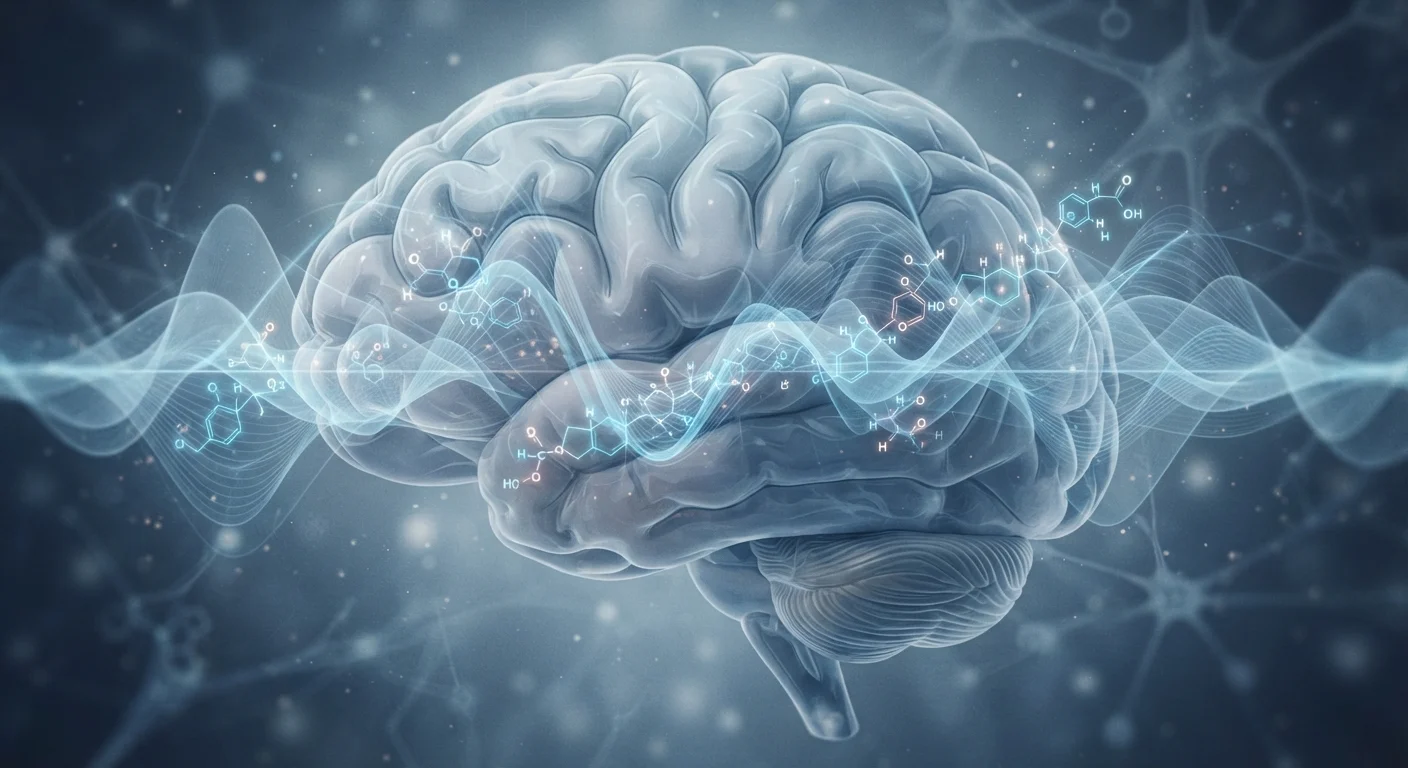
Chronic stress triggers real physiological changes. Here's what the science says about how prolonged stress affects your brain, hormones, and health.
Key takeaways
- Chronic stress keeps cortisol elevated, which disrupts nearly every major body system over time.
- The brain's hippocampus, which handles memory, can physically shrink under prolonged stress exposure.
- Chronic stress raises the risk of cardiovascular disease, weakened immunity, and metabolic disruption.
- Stress and poor sleep reinforce each other in a cycle that compounds both problems.
- Recognising physical stress symptoms early gives you more options for managing them.
What happens inside the body when stress becomes chronic
When your brain perceives a threat, it triggers the release of cortisol and adrenaline through a chain of signals involving the hypothalamus, pituitary gland, and adrenal glands. In a short-term situation, that response is protective: it sharpens focus, raises heart rate, and prepares muscles to act. Once the threat passes, cortisol levels drop and the body resets.
Chronic stress interrupts that reset. When stressors are constant, such as financial pressure, caregiving demands, or sustained work overload, the brain keeps signaling threat. Cortisol stays elevated. The adrenal glands continue producing stress hormones without meaningful recovery windows.
Over months or years, that sustained activation has measurable effects. Cortisol at chronically high levels suppresses immune function, raises blood pressure, slows digestion, and interferes with reproductive hormones. It also affects how the body regulates blood sugar, which is why chronic stress is linked to increased risk of type 2 diabetes in research published in journals such as Psychoneuroendocrinology.
77%
Adults reporting physical stress symptoms
According to the American Psychological Association's Stress in America survey, a substantial majority of U.S. adults report experiencing physical symptoms they link to stress.
2x
Cardiovascular risk elevation
Research published in the European Heart Journal found that people with work-related stress had roughly double the risk of a second heart attack compared with those with low stress.
~8%
Reduction in hippocampal volume
Neuroimaging studies of individuals with chronic stress-related disorders have documented average hippocampal volume reductions in the range of 5 to 10 percent compared with low-stress controls.
How chronic stress changes the brain
The hippocampus, a region central to memory and learning, is particularly sensitive to prolonged cortisol exposure. Animal and human neuroimaging studies have found that people with histories of chronic stress or stress-related disorders tend to show reduced hippocampal volume. This can affect the ability to form new memories and may contribute to difficulty concentrating.
The prefrontal cortex, which governs decision-making and emotional regulation, also shows reduced activity under chronic stress. At the same time, the amygdala (the brain's threat-detection center) can become more reactive. The practical result is a brain that is quicker to perceive danger and slower to think it through calmly.
Chronic stress also disrupts neuroplasticity, the brain's capacity to form and reorganize connections. Research from institutions including Rockefeller University suggests that prolonged stress can reduce the density of dendritic branches in the prefrontal cortex, affecting how efficiently brain cells communicate. The good news, as the same body of research indicates, is that some of these changes can reverse with stress reduction and supportive lifestyle factors.
The cardiovascular and immune toll
Sustained high cortisol keeps blood pressure elevated by constricting blood vessels and increasing fluid retention. Over time, that persistent pressure raises the risk of arterial damage and cardiovascular disease. The American Heart Association recognizes psychological stress as a contributing factor in heart disease risk, though it interacts with many other variables.
Immune function shifts in complex ways under chronic stress. Short-term stress briefly boosts certain immune responses. Chronic stress suppresses them. Studies consistently find that people under chronic stress show slower wound healing, reduced vaccine effectiveness, and higher susceptibility to upper respiratory infections.
Inflammation is part of that picture. Cortisol normally acts as an anti-inflammatory, but prolonged high levels can blunt the immune system's sensitivity to cortisol signals, allowing inflammatory processes to run unchecked. Low-grade chronic inflammation is a known factor in conditions including heart disease, depression, and certain autoimmune disorders.
Stress and sleep have a compounding relationship worth understanding. The cycle of stress and poor sleep is self-reinforcing: elevated cortisol delays sleep onset, and poor sleep raises cortisol the following day.
What you can do with this information
Understanding the physiology of chronic stress is useful because it shifts the framing. The symptoms you feel, whether that is brain fog, digestive upset, or a racing heart, are not character flaws or signs of weakness. They are predictable biological responses to a system running without recovery time.
That means recovery is possible through changes that give the stress system genuine downtime. Physical activity, consistent sleep, and practices that activate the parasympathetic nervous system (such as slow breathing or progressive muscle relaxation) are among the approaches with solid research support.
It also helps to look honestly at whether your current coping habits are relieving stress or quietly adding to it. Some common coping patterns such as avoidance or overworking can deepen the problem over time.
If you are experiencing persistent physical symptoms, speak with a healthcare provider before assuming stress is the only cause. Many stress-related symptoms overlap with other conditions that need independent evaluation. For a broader look at managing stress across all its dimensions, the full mind and stress overview covers causes, coping strategies, and when to seek professional support.
This article is for general informational purposes only and is not a substitute for professional medical advice, diagnosis, or treatment. Always consult a qualified healthcare provider with any questions about your health.
Frequently Asked Questions
The content on this site is for informational purposes only and is not a substitute for professional advice. Always consult a qualified professional for guidance specific to your situation.