
Gut Health and Food: What the Current Evidence Actually Supports

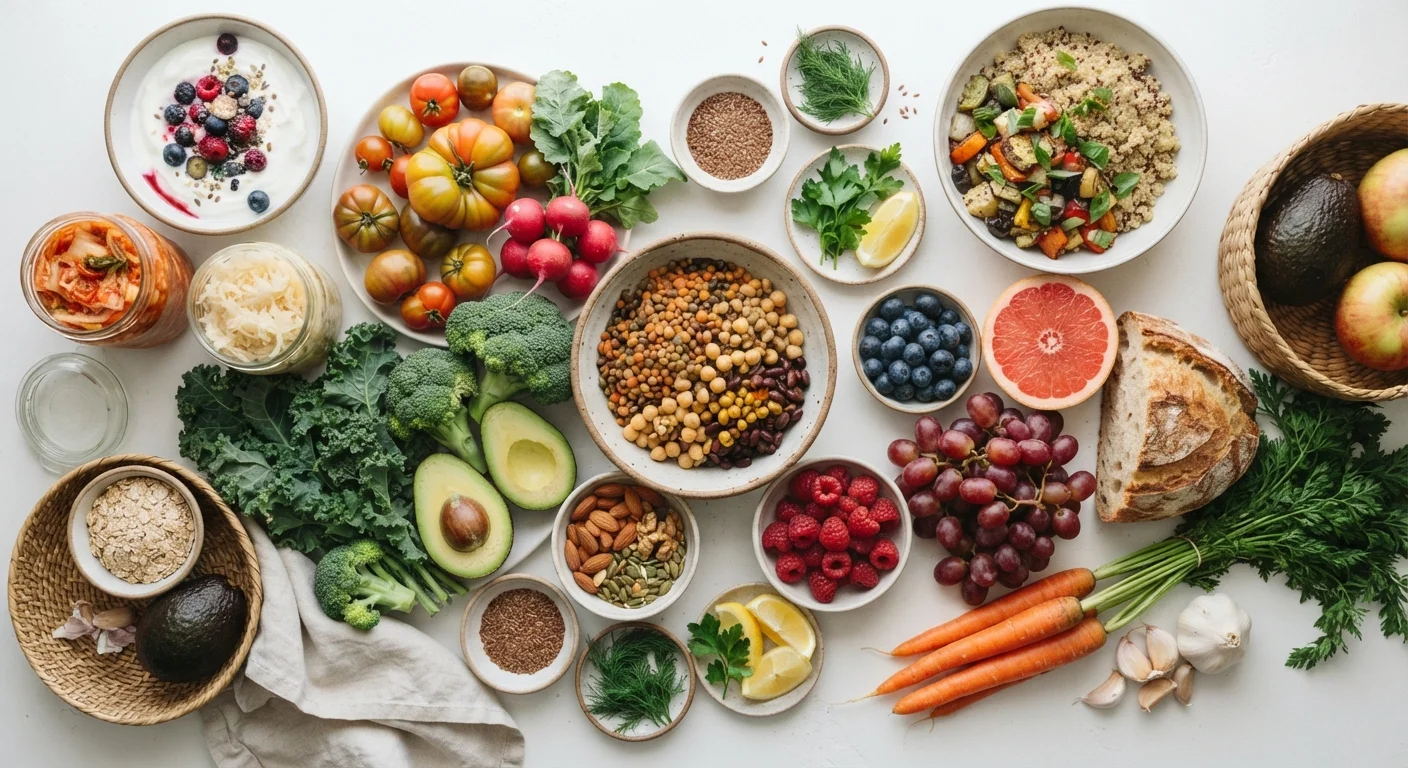
Gut health is everywhere in nutrition headlines. Here is a clear look at what the science supports and what is still uncertain.
Key takeaways
- Fiber from plants is the most consistently supported food choice for a healthy gut microbiome.
- Fermented foods like yogurt and kefir show promising benefits, but the evidence is still developing.
- Probiotic supplements have proven benefits for specific conditions, not general gut health for everyone.
- Most commercial gut health products are marketed far ahead of what research currently confirms.
- A varied, whole-food diet is the best broad strategy supported by current science.
Why gut health became so confusing
Walk through any pharmacy or scroll through nutrition content online and you will find gut health positioned as the answer to fatigue, mood problems, immune function, and more. Some of those claims have a real scientific basis. Many do not. The gap between what researchers have found and what product labels or wellness influencers claim is wide, and that gap is where most of the confusion lives.
This article covers what the current evidence actually supports, where research is still early, and what a reasonable food approach looks like given what we know. For a broader foundation on how food and nutrients work together, the introduction to nutrition basics covers the core concepts clearly.
What fiber does, and why it matters more than most supplements
Dietary fiber is the category with the strongest, most consistent evidence behind it. Fiber from plant foods passes largely undigested to the large intestine, where gut bacteria ferment it and produce short-chain fatty acids. Those fatty acids appear to support the intestinal lining and modulate immune responses, according to research published in journals including Cell and Nature.
Most adults in the United States consume well below the recommended daily fiber intake. The fiber gap and how to close it goes deeper on practical ways to increase intake without overhauling your entire diet.
Foods with meaningful fiber content include legumes (lentils, chickpeas, black beans), whole grains, vegetables, and fruit. Variety within these categories matters because different types of fiber feed different bacterial communities.
Build variety before adding supplements
Before spending money on probiotic supplements, consider whether your current diet includes a range of plant foods and fiber sources. Research consistently finds that dietary variety is associated with greater microbiome diversity, and food-based changes are generally more sustainable than supplement routines. If you are considering a supplement for a specific concern, discuss it with a healthcare provider first.
Fermented foods: promising but not yet fully understood
A 2021 study published in Cell by researchers at Stanford University found that a diet high in fermented foods increased microbiome diversity and reduced markers of inflammation in healthy adults. That is a meaningful finding, but it comes from one trial with a specific population, and it does not mean fermented foods cure or prevent any specific condition.
Yogurt, kefir, kimchi, sauerkraut, and miso all contain live microorganisms. Whether those organisms survive digestion and take up residence in the gut in meaningful numbers is still being studied. What does seem clear is that regularly eating a range of fermented foods is unlikely to cause harm and may support microbiome diversity over time.
This is different from taking a probiotic supplement. Supplements deliver specific strains in concentrated doses. The evidence for supplements is condition-specific: they work for certain types of diarrhea and in people with particular digestive conditions, but broad claims about improving gut health in otherwise healthy people are not well supported by current data. A healthcare provider can help evaluate whether a supplement is appropriate for your circumstances.
What the evidence does not yet support
Several popular claims in the gut health space run ahead of the science.
- Gut health tests sold directly to consumers can identify which microorganisms are present in a stool sample, but scientists do not yet have a reliable reference map of what a "healthy" microbiome looks like. Results are difficult to interpret meaningfully.
- Eliminating gluten, dairy, or other food groups to "heal" the gut is not supported for people without a diagnosed condition such as celiac disease or a confirmed intolerance. Unnecessary restriction can reduce dietary variety, which is counterproductive for microbiome diversity.
- Detox protocols and gut-cleanse products have no established scientific basis for improving the microbiome. The digestive system removes waste without requiring commercial intervention.
Nutrition myths the science has already settled addresses similar patterns of marketing outpacing evidence across other food topics.
A practical food approach based on current evidence
The dietary pattern with the broadest research support for gut and overall health is one centered on whole plant foods, adequate fiber, moderate fermented food intake, and limited ultra-processed food. No single food or supplement substitutes for that overall pattern.
Practically, that means eating a wide variety of vegetables and legumes, choosing whole grains over refined ones when possible, and including fermented foods regularly if you enjoy them. Weekly grocery habits that support a more nutritious kitchen offers concrete routines that make this easier to sustain.
If you have persistent digestive symptoms such as bloating, pain, or irregular bowel habits, those warrant a conversation with a healthcare provider rather than a self-directed supplement or elimination plan. This article is general health information and is not medical advice.
Less than 10%
U.S. adults meeting daily fiber recommendations
According to data reviewed by the American Society for Nutrition, fiber intake falls well below the Dietary Guidelines for Americans targets for most adults.
38 trillion
Estimated microbial cells in the human gut
A widely cited estimate in microbiology research suggests microbial cells in the gut are roughly equal in number to human cells in the body.
1,000+
Bacterial species identified in the human gut
The Human Microbiome Project identified over a thousand distinct bacterial species across study participants, with significant variation between individuals.
Frequently Asked Questions
The content on this site is for informational purposes only and is not a substitute for professional advice. Always consult a qualified professional for guidance specific to your situation.