
Eating Well for Life: A Comprehensive Introduction to Nutrition Basics

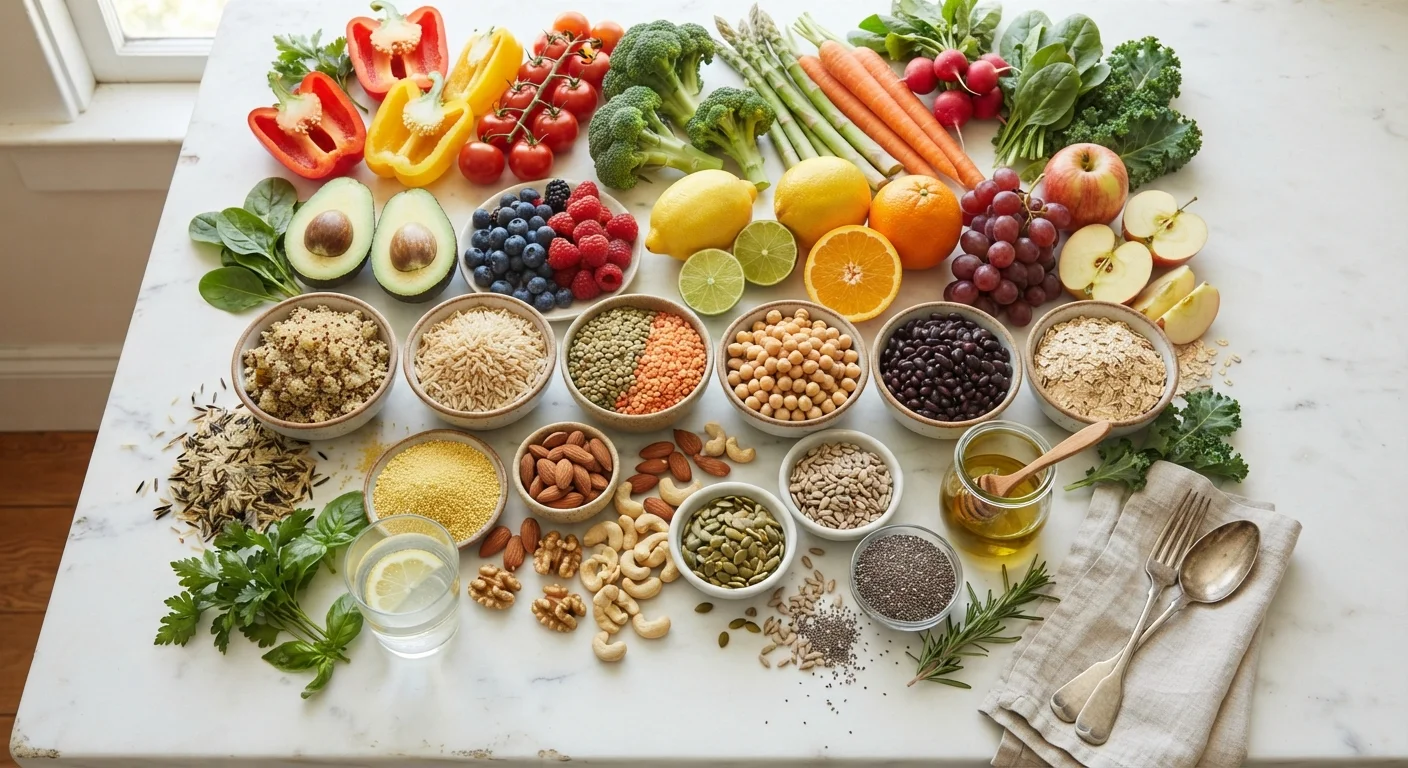
New to nutrition? This end-to-end guide covers the core concepts you need to make informed, balanced food decisions.
Key takeaways
- Macronutrients (carbohydrates, protein, fat) provide energy; micronutrients support specific body functions.
- No single food group is inherently harmful; balance and variety matter more than elimination.
- Your body's energy needs depend on size, age, activity level, and metabolism.
- Sustainable eating patterns outperform short-term diets for long-term health.
- Consulting a registered dietitian is the most reliable way to personalize nutrition guidance.
Why nutrition basics matter
Nutrition advice is everywhere, and much of it contradicts itself. One source warns against carbohydrates while another praises them. A headline calls a food toxic; the next week it's a superfood. For anyone starting out, that noise makes eating feel more stressful than it needs to be.
The good news is that the foundation of sound nutrition is more stable than trending headlines suggest. Understanding a handful of core concepts gives you a reliable filter for sorting useful information from hype. This guide covers those concepts plainly, without recommending specific diets or products, and without overstating what science currently knows.
For a more introductory starting point, the beginner's guide to core nutrition concepts walks through how food nourishes the body at the most basic level before building to the ideas below.
This article is for general informational purposes only and is not medical or dietary advice. Speak with a qualified healthcare professional or registered dietitian before making significant changes to your diet.
Macronutrients: what they are and what they do
Macronutrients are the three categories of nutrients that supply your body with energy, measured in calories. Each gram of carbohydrate and protein provides 4 calories; each gram of fat provides 9 calories.
Carbohydrates
Carbohydrates are the body's preferred fuel source. They break down into glucose, which cells use for energy. Whole food sources such as vegetables, legumes, whole grains, and fruit also supply fiber, which supports digestive health and helps regulate blood sugar. Refined carbohydrates (white bread, sugary beverages) deliver energy without much fiber or micronutrient density.
Protein
Protein supplies amino acids, the building blocks the body uses to repair tissue, produce enzymes, and support immune function. Animal sources (meat, fish, dairy, eggs) contain all essential amino acids in one food. Plant sources (beans, lentils, tofu, whole grains) can meet protein needs when eaten across a varied diet.
Fat
Dietary fat supports cell membrane structure, fat-soluble vitamin absorption (vitamins A, D, E, and K), and hormone production. Unsaturated fats found in olive oil, avocados, and nuts are generally associated with cardiovascular health in the research literature. Saturated fat, found largely in animal products, is an area where dietary guidance continues to be refined; current mainstream guidance suggests moderation rather than complete avoidance.
When reading a nutrition study, check whether it was conducted in humans over a meaningful time period. Cell-culture and animal studies produce headlines but rarely translate directly to dietary recommendations.
Many alarming or exciting nutrition claims originate from early-stage research that the popular press amplifies before human evidence exists.
If a food label's ingredient list is long and dominated by names you would not find in a kitchen, that is a useful (though imperfect) signal that the product is more heavily processed.
Degree of processing is one of the more consistent predictors of a food's nutritional quality in recent epidemiological research, independent of calorie count.
Micronutrients: the small stuff that counts
Vitamins and minerals are called micronutrients because the body needs them in smaller amounts than macronutrients, not because they matter less. They regulate processes ranging from bone formation (calcium, vitamin D) to oxygen transport in the blood (iron) to immune defense (zinc, vitamin C).
Most people who eat a varied diet that includes vegetables, fruit, whole grains, protein sources, and dairy (or fortified alternatives) get adequate micronutrients without supplementation. Gaps can occur in specific situations, such as during pregnancy, in older adults, or when food access is limited. A healthcare provider can run blood tests to identify genuine deficiencies before a person considers supplements.
Over-supplementing fat-soluble vitamins (A, D, E, K) carries real risk because the body stores rather than excretes excess amounts. Water-soluble vitamins (B vitamins, vitamin C) are excreted more readily, but very high supplemental doses still carry risks for certain people. The general principle: food first, supplements only when a clinician identifies a need.
How your body uses energy
Your total daily energy use has three main parts. Basal metabolic rate (BMR) is the energy your body burns at rest just to maintain basic functions like breathing and circulation. It accounts for roughly 60 to 70 percent of most people's total energy use, though this varies by body composition, age, and genetics. Physical activity adds a variable portion on top of that. A third component, the thermic effect of food, is the energy used to digest and process what you eat; it typically represents around 10 percent of total intake.
These figures vary considerably between individuals. Two people of the same height and weight can have meaningfully different energy needs based on muscle mass, hormonal factors, and activity patterns. This is why no single calorie number applies universally, and why general targets published in dietary guidelines represent population averages rather than individual prescriptions.
If you want to understand your body's specific energy needs, working with a registered dietitian is the most accurate path. They can account for your health history, activity level, and goals in ways a general article cannot.
Building a realistic eating pattern
Patterns of eating across days and weeks matter more than any single meal or food choice. A useful frame is to ask what your diet looks like most of the time, not whether a given lunch was perfect.
Practical approaches that appear consistently in nutrition research include: prioritizing minimally processed foods more often than heavily processed ones, eating a range of vegetables and fruit across colors (different pigments often indicate different phytonutrients), choosing whole grains over refined grains when possible, and including adequate protein spread throughout the day to support muscle maintenance.
The practical guide to building a balanced plate offers a simple visual framework for structuring individual meals without counting every calorie. For the longer supply chain of what you cook, weekly grocery habits that support a nutritious kitchen covers how consistent shopping routines shape what ends up on your plate.
Pairing nutrition awareness with physical activity compounds the benefits of either alone. The reference guide to common fitness terms is a helpful companion if the language around exercise feels as confusing as nutrition vocabulary sometimes does.
Common diet myths, clarified
Myth: Carbohydrates cause weight gain. Excess calories from any source can contribute to weight change. Carbohydrates as a category include vegetables, legumes, and whole grains, none of which research consistently links to negative health outcomes when eaten as part of a varied diet.
Myth: Eating fat makes you fat. Fat is calorie-dense, so portions matter, but dietary fat is not uniquely fattening. The body needs fat to function, and many fat-rich whole foods (nuts, fish, avocado) appear regularly in dietary patterns associated with good health outcomes.
Myth: Detox diets cleanse your system. The liver and kidneys filter and remove waste products continuously. No published clinical evidence supports the idea that specific commercial cleanses or juice programs enhance this process.
Myth: Organic food is nutritionally superior. Research comparing organic and conventionally grown produce has not found consistent differences in vitamin and mineral content. Organic farming practices differ in pesticide use and environmental impact, but nutritional equivalence with conventional produce is the current scientific consensus.
Confusion about food is understandable when so many claims compete for attention. Returning to the macronutrient and micronutrient framework above, and checking whether a claim is supported by peer-reviewed evidence rather than a product marketing page, filters out most of the noise.
The content on this site is for informational purposes only and is not a substitute for professional advice. Always consult a qualified professional for guidance specific to your situation.