
The Role of Sleep in Physical Performance and Muscle Recovery

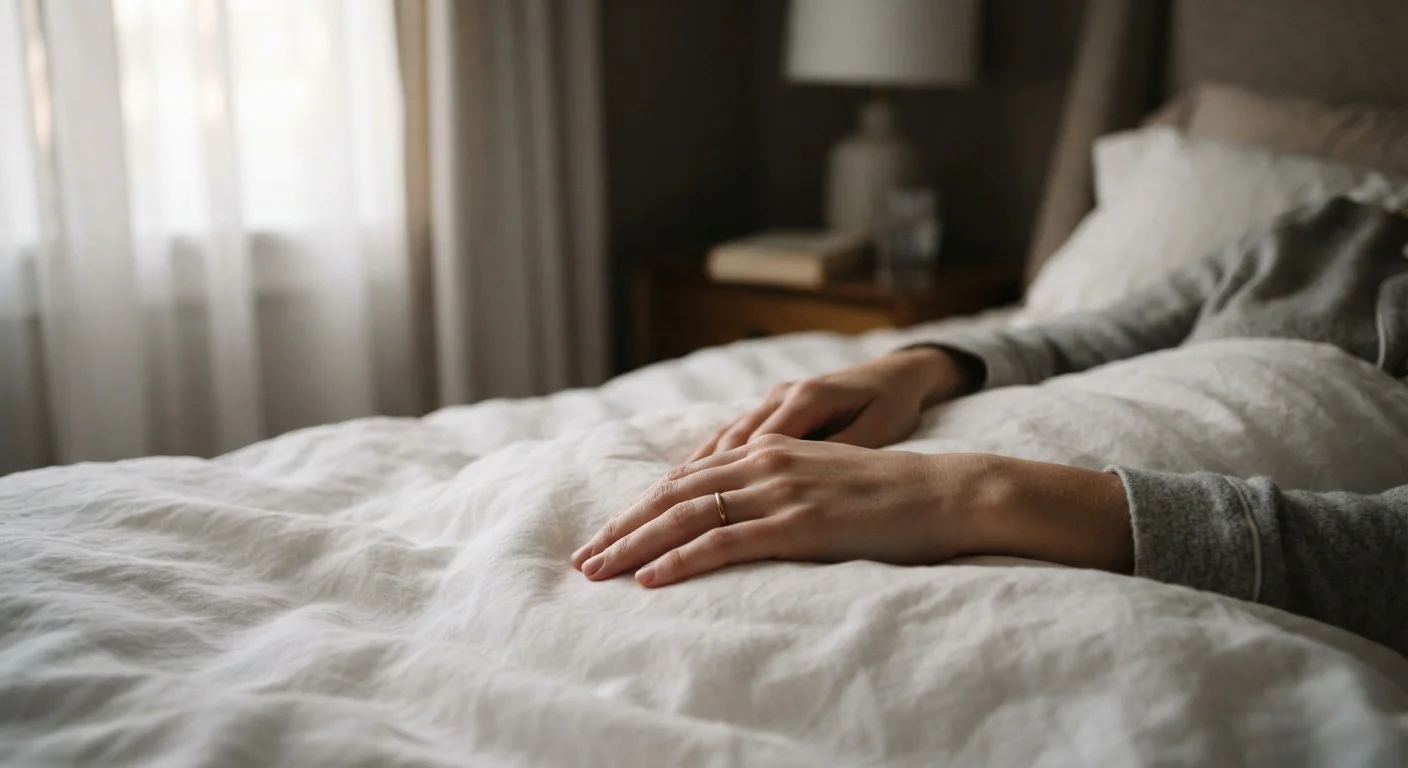
Sleep affects strength, coordination, and recovery more than most people realise. Learn what the research says and how to protect your rest.
Key takeaways
- Sleep deprivation measurably reduces strength, reaction time, and endurance.
- Growth hormone, which drives muscle repair, is released mainly during deep sleep.
- Chronic poor sleep raises cortisol levels, which can break down muscle tissue over time.
- Even one night of inadequate sleep affects next-day physical performance.
- Consistent sleep timing helps regulate the hormones that support recovery.
Why sleep is where recovery actually happens
Most people think of a workout as the productive part of fitness and sleep as just downtime. The biology runs the other way. Exercise creates the stimulus for change; sleep is when the body acts on it.
During sleep, particularly during slow-wave sleep, the pituitary gland releases pulses of growth hormone. This hormone signals muscle cells to absorb amino acids and repair the micro-damage that resistance and endurance training create. Without sufficient deep sleep, those repair signals are weaker and shorter, leaving muscles less recovered for the next session.
Protein synthesis, the process of building new muscle tissue, also continues at a higher rate during sleep than during waking rest. This means that the nutrition you consume around exercise is only part of the equation. If sleep is cut short, the window for acting on that nutrition shrinks. Rest days and proper recovery work through some of the same biological pathways, and sleep amplifies what rest days can accomplish.
Getting more from the sleep you already get
If you cannot extend your total sleep time right away, protecting the quality of the hours you do have is worth the effort. Keeping the room cool, avoiding alcohol close to bedtime (which fragments deep sleep), and winding down with low-stimulation activities can increase the proportion of slow-wave sleep within your existing window.
What sleep deprivation does to physical performance
The effects of inadequate sleep on physical output show up faster than most people expect. After even one night of shortened sleep, research published in peer-reviewed sports science literature has documented reductions in grip strength, sprint performance, and aerobic capacity. Reaction time slows, and the brain's ability to coordinate fine motor movements decreases.
Perceived effort also rises. The same physical task feels harder when you are underslept, which means people are more likely to stop earlier, lift lighter weights, or skip planned sessions entirely. Over weeks, this compounds into a real gap between what training was intended to achieve and what the body is able to do.
7-9 hrs
Recommended nightly sleep for adults
The American Academy of Sleep Medicine recommends seven to nine hours of sleep per night for adults to support overall health and daily functioning.
~30%
Reduction in reaction time after one poor night
Research in sports science contexts has found reaction time can drop by roughly 30% following a single night of significant sleep restriction compared to well-rested baselines.
70%+
Of daily growth hormone released during sleep
Studies on pituitary function indicate that the majority of growth hormone secretion in adults occurs during slow-wave sleep stages, not during waking hours.
Coordination and balance are affected too, which matters beyond sport. Driver fatigue illustrates how sharply reaction time deteriorates when the brain is deprived of rest, and the same mechanism affects gym performance, court sports, and any activity that requires quick physical adjustments.
Cortisol, inflammation, and the hormonal cost of poor sleep
When sleep is consistently insufficient, the body's stress response stays activated longer than it should. Cortisol, which normally follows a daily rhythm with its peak in the morning and a gradual decline through the day, becomes elevated overall when sleep is reduced. This matters for recovery because cortisol is catabolic at high levels, meaning it can break down muscle tissue rather than support its repair.
Inflammatory markers also tend to rise with chronic sleep restriction. Some inflammation after exercise is normal and part of the adaptation process, but elevated baseline inflammation slows repair and increases injury risk over time. Sleep deprivation and stress feed each other in a way that can make both harder to manage simultaneously, and physical recovery sits at the center of that loop.
For people managing training alongside demanding schedules, protecting sleep duration is at least as important as managing training load. This is general health information and not a substitute for advice from a qualified healthcare professional, particularly for those with underlying conditions.
Practical ways to protect sleep for better recovery
Consistent sleep timing is one of the most practical things a person can do. Going to bed and waking at roughly the same time each day, including weekends, helps regulate the circadian rhythm that governs hormone release. Irregular sleep schedules disrupt those patterns even when total sleep hours are adequate.
Temperature, light, and noise all affect sleep architecture. A cooler, darker room supports the drop in core body temperature that signals the brain to enter deeper sleep stages. Avoiding bright screen light in the hour before bed can help with this transition, since light suppresses melatonin production.
Exercise timing matters at the margins. Vigorous activity raises core temperature and alertness hormones, so finishing intense sessions at least two to three hours before bed suits most people. Light activity like walking does not carry the same risk. Everyday habits that support physical health tend to have their greatest effect when layered together, and sleep is one of the habits that makes the others work better.
This article is for informational purposes only and is not medical advice. Consult a qualified healthcare professional for guidance specific to your health and training circumstances.
Frequently Asked Questions
The content on this site is for informational purposes only and is not a substitute for professional advice. Always consult a qualified professional for guidance specific to your situation.