
Popular Diet Patterns Compared: Mediterranean, Low-Carb, Plant-Based, and More

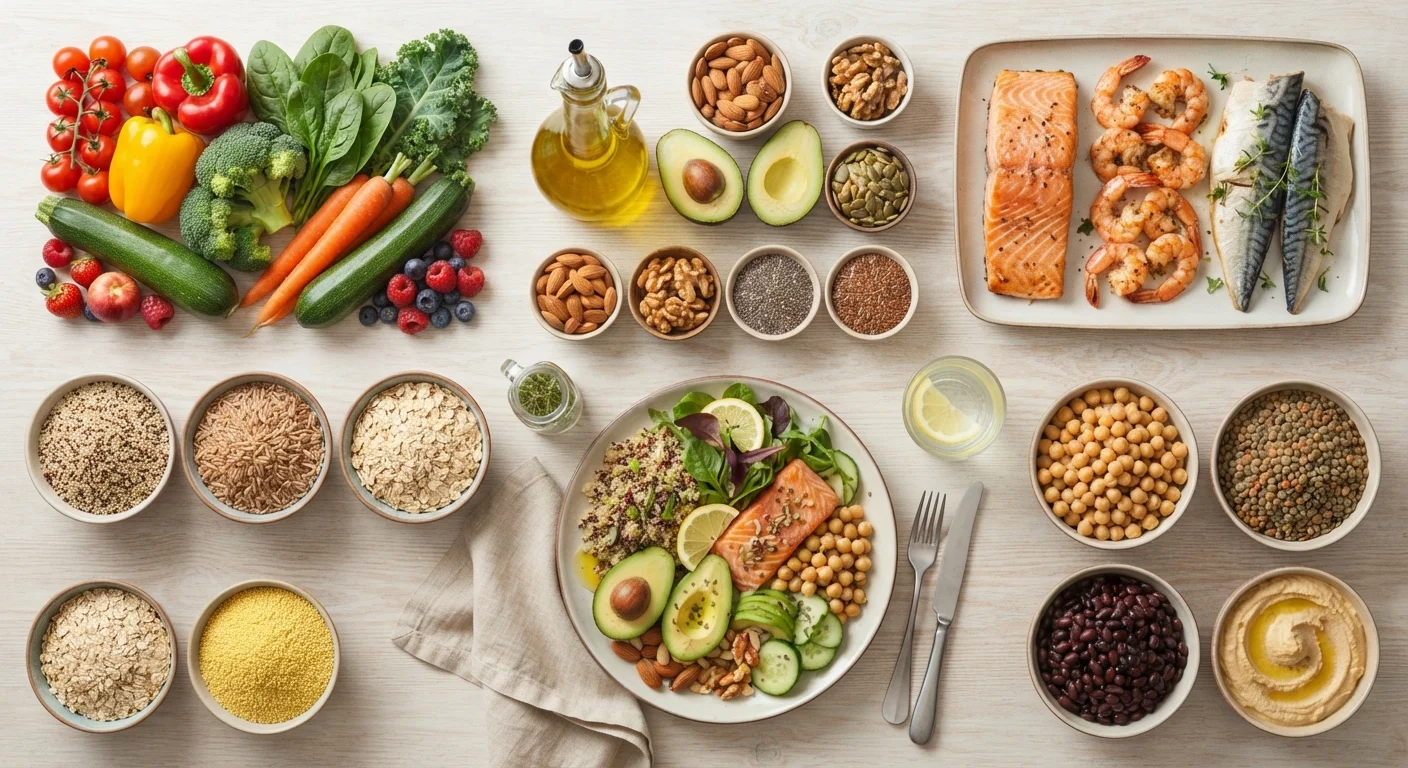
A balanced look at the most widely followed eating patterns, what the evidence says, and who each one may suit.
Our Verdict
Each eating pattern discussed here has genuine evidence behind it, and each has real limitations. The Mediterranean pattern currently has the broadest research base for long-term heart and metabolic health. Low-carb diets may suit people who respond well to reducing refined carbohydrates, provided they are nutritionally balanced. Plant-based approaches offer strong environmental and health signals, though protein and micronutrient planning matters. Ultimately, consistency with a pattern you can maintain beats strict adherence to any 'optimal' diet you abandon within weeks.
| Best for | Recommended |
|---|---|
| Those wanting a well-researched, flexible long-term approach | Mediterranean pattern |
| Those managing blood sugar who respond better to fewer refined carbohydrates | Low-carb pattern |
| Those prioritizing environmental impact alongside personal health | Plant-based pattern |
| Those looking for a structured starting framework without strict rules | DASH pattern |
Key takeaways
- The Mediterranean pattern has more consistent long-term research support than most other popular diets.
- Low-carb approaches can produce short-term results but vary widely in sustainability and nutritional completeness.
- Plant-based eating covers a broad range of styles, from fully vegan to mostly plant-forward with some animal foods.
- No single diet is universally superior; the best fit depends on health status, preferences, and lifestyle.
- Always consult a qualified healthcare professional before making major changes to your eating pattern.
Why comparing diet patterns matters
The word 'diet' appears in headlines so often that it has become almost meaningless. Mediterranean, keto, plant-based, paleo, DASH, intermittent fasting - each comes with confident claims and devoted followers. Sorting credible evidence from marketing noise is genuinely difficult, even for people with some nutrition background.
Before diving into specifics, it helps to understand what nutritional research can and cannot tell us. Long-term, controlled diet studies are hard to run on humans. Most rely on observational data, meaning researchers track what people report eating and look for health correlations over time. That kind of data is useful but cannot prove cause and effect on its own. Where clinical trial evidence exists, it carries more weight. Both types appear in the sections below, and they are labeled differently for that reason.
If you are newer to nutrition concepts, the introduction to nutrition basics covers the core terms used throughout this comparison.
The Mediterranean pattern
The Mediterranean pattern centers on vegetables, fruits, whole grains, legumes, nuts, olive oil, and moderate fish. Red meat appears rarely, and ultra-processed foods are not a feature. It is not a rigid rulebook but a general framework observed across populations in the Mediterranean region.
This pattern has more long-term observational support than most alternatives. The PREDIMED trial, a large Spanish randomized controlled study published in the New England Journal of Medicine, found that participants assigned to a Mediterranean-style diet with olive oil or nuts had significantly lower rates of major cardiovascular events compared to a control low-fat diet. It is one of the more robust diet intervention studies available.
One practical advantage is flexibility. There is no single food to avoid entirely, which can make long-term adherence more realistic. The eating pattern also aligns closely with general dietary guidelines around fiber, healthy fats, and food variety. For a visual framework on proportions, see building a balanced plate.
Low-carb approaches
Low-carb eating covers a wide range, from moderate reductions in refined carbohydrates to very low-carbohydrate ketogenic diets (typically under 50 grams of carbohydrates per day). The goals and mechanisms differ at different carbohydrate levels, so they are not one thing.
Short-term evidence for low-carb diets is reasonably consistent: many people lose weight faster in the first three to six months compared to other approaches, and some see improvements in blood sugar and triglycerides. A 2020 review in The BMJ found that low-carbohydrate diets produced modestly greater weight loss at six months than higher-carbohydrate diets, though the difference narrowed by twelve months.
Long-term sustainability is less clear. Very low-carb diets can be difficult to maintain socially and practically. Nutritional completeness depends heavily on food choices within the pattern; a low-carb diet built around vegetables, nuts, and quality protein looks very different nutritionally from one built around processed meats and cheese. People with diabetes, kidney conditions, or cardiovascular concerns should consult a physician before adopting a very low-carbohydrate approach.
| Mediterranean | Low-carb / Keto | Plant-based | DASH | |
|---|---|---|---|---|
| Primary evidence base | Strong RCT and observational data | Short-term RCTs; limited long-term data | Mostly large observational studies | Clinical trials for blood pressure |
| Flexibility | High; few banned foods | Low to moderate; carbs tightly limited | Moderate; varies by strictness | Moderate; sodium limits required |
| Nutritional completeness | Generally complete | Depends on food choices within pattern | Requires planning for B12, iron, omega-3 | Generally complete |
| Sustainability signals | Good long-term adherence reported | Variable; harder to maintain long term | High if well-supported socially | Good when followed consistently |
| Common health focus | Cardiovascular, metabolic | Blood sugar, weight | Chronic disease prevention | Blood pressure, heart health |
| Who should consult a professional first | Anyone with chronic conditions | People with diabetes or kidney disease | Anyone at risk of nutrient deficiency | Anyone on blood pressure medication |
Plant-based eating
Plant-based is an umbrella term. It includes fully vegan diets (no animal products), vegetarian diets (no meat, sometimes including dairy and eggs), and more flexible patterns sometimes called 'plant-forward' where plant foods dominate but small amounts of animal foods remain. The health evidence tends to apply most consistently to well-planned versions of these approaches, not to any plant-labeled product in a supermarket.
Observational research links higher plant food intake to lower rates of type 2 diabetes, certain cancers, and cardiovascular disease. The protective association appears across many studies, including the large Adventist Health Studies conducted in the United States. However, a poorly planned vegan diet can fall short on vitamin B12, iron, calcium, omega-3 fatty acids, and complete protein. For more detail on meeting protein needs across different dietary styles, see how plant and animal protein sources compare.
The environmental footprint argument for plant-based eating is separately supported by lifecycle analysis research. That consideration is legitimate alongside personal health goals, though it is a different category of evidence.
The DASH pattern and intermittent fasting
The DASH diet (Dietary Approaches to Stop Hypertension) was developed specifically to lower blood pressure through food. It limits sodium and saturated fat while increasing potassium, calcium, and magnesium through fruits, vegetables, low-fat dairy, and whole grains. Multiple clinical trials have shown meaningful reductions in blood pressure, and it consistently rates well in assessments of nutritional completeness.
Intermittent fasting (IF) refers to patterns of cycling between eating periods and fasting periods. Common versions include the 16:8 method (eating within an eight-hour window), 5:2 (eating normally five days, restricting heavily two days), and alternate-day approaches. Research suggests IF can produce weight and metabolic changes comparable to continuous calorie restriction for many people, according to a 2022 review in Annual Review of Nutrition. Whether the timing itself drives those outcomes, or simply a reduction in overall calorie intake, remains an active research question. IF is not appropriate for everyone, including people who are pregnant, have a history of disordered eating, or take medications that require regular food intake.
For guidance on turning any of these patterns into consistent shopping habits, weekly grocery habits that support a nutritious kitchen offers a practical starting point.
This article is for general informational purposes only and is not a substitute for professional medical or nutritional advice. Speak with a qualified healthcare provider before making significant changes to your diet, especially if you have an existing health condition.
The content on this site is for informational purposes only and is not a substitute for professional advice. Always consult a qualified professional for guidance specific to your situation.