
Cruise Packing Checklist: What to Bring, What to Leave Behind

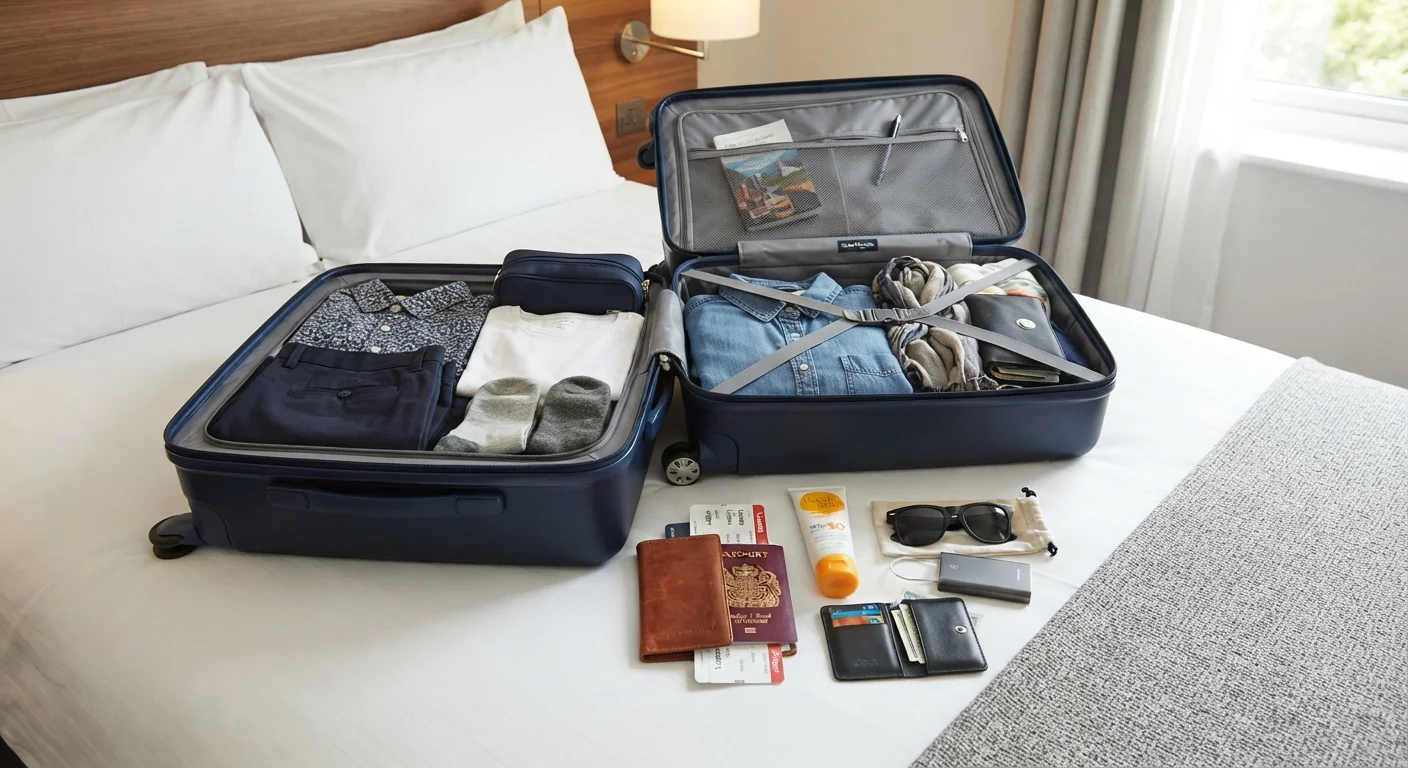
A practical, cabin-size-aware packing list covering documents, clothing, medications, and safety items for any cruise itinerary.
Summary
28 items · 30 to 60 minutes
Key takeaways
- Cruise ships prohibit certain items outright; checking your line's restricted list before packing avoids confiscation at embarkation.
- Cabin storage is smaller than most hotel rooms, so every item you pack should have a clear purpose.
- Travel insurance documentation belongs in your carry-on, not your checked luggage, so it is accessible from the moment you board.
- Medications in original labeled containers and a written summary from your doctor reduce delays at port medical checks.
- Port days call for a separate small bag with copies of key documents, not the originals.
Why cruise packing is different
Packing for a cruise is not the same as packing for a hotel stay or a road trip. Your cabin will likely be compact, storage is shared if you are travelling with someone, and the ship's onboard shop may carry limited supplies at high prices. At the same time, a single itinerary can move through multiple climates, formal dinner nights, beach excursions, and city walks within the same week.
The checklist below is organised by category so you can work through it in stages rather than all at once. Cross-reference it with your specific cruise line's prohibited items list before you finalise anything, because rules vary. For trips involving children or older adults, preparation goes further than what is covered here.
Verify port entry requirements before you sail
Entry rules, vaccination requirements, and documentation checks at ports of call can change. Do not rely on information from the cruise line alone. Check the official government travel advisory pages for each country your ship visits at least two weeks before departure, and again a few days before sailing.
The packing checklist
Work through each group below. Items marked must are non-negotiable for boarding or safety. Items marked should are strongly recommended. Items marked nice to have are worth considering based on your itinerary and travel style.
Documents and financial items
Health and medications
Clothing and footwear
Cabin and daily essentials
Safety and security items
For port days specifically, leave original documents in your cabin safe and carry only photocopies or digital copies. Port day safety habits cover this in more detail.
What to leave behind
Cruise lines ban a range of items for fire safety and security reasons. Common prohibited items include candles, clothing irons, multi-plug extension cords without surge protection, and in most cases personal electric kettles. Some lines also prohibit outside alcohol beyond a limited allowance at embarkation.
Bulky items you probably do not need: full-size shampoo bottles (most ships provide toiletries), multiple formal outfits beyond what your itinerary's dress-code nights require, and dedicated travel pillows if your cabin tier includes bedding you find comfortable. Check what your cabin category includes before packing duplicates. Cabin categories differ significantly in what they provide.
Prohibited items are confiscated, not returned
Items seized at embarkation screening are generally not held for you until the end of the voyage. They are removed permanently. If you are unsure whether something is allowed, check your cruise line's written policy directly before you pack it.
On the financial side, cruise travel insurance documentation should travel in your carry-on bag from day one. If you need it, you need it immediately, and a copy stored only at home does not help you onboard or at a port medical facility.
The content on this site is for informational purposes only and is not a substitute for professional advice. Always consult a qualified professional for guidance specific to your situation.