
Pros and Cons of Booking a Cruise During Shoulder Season

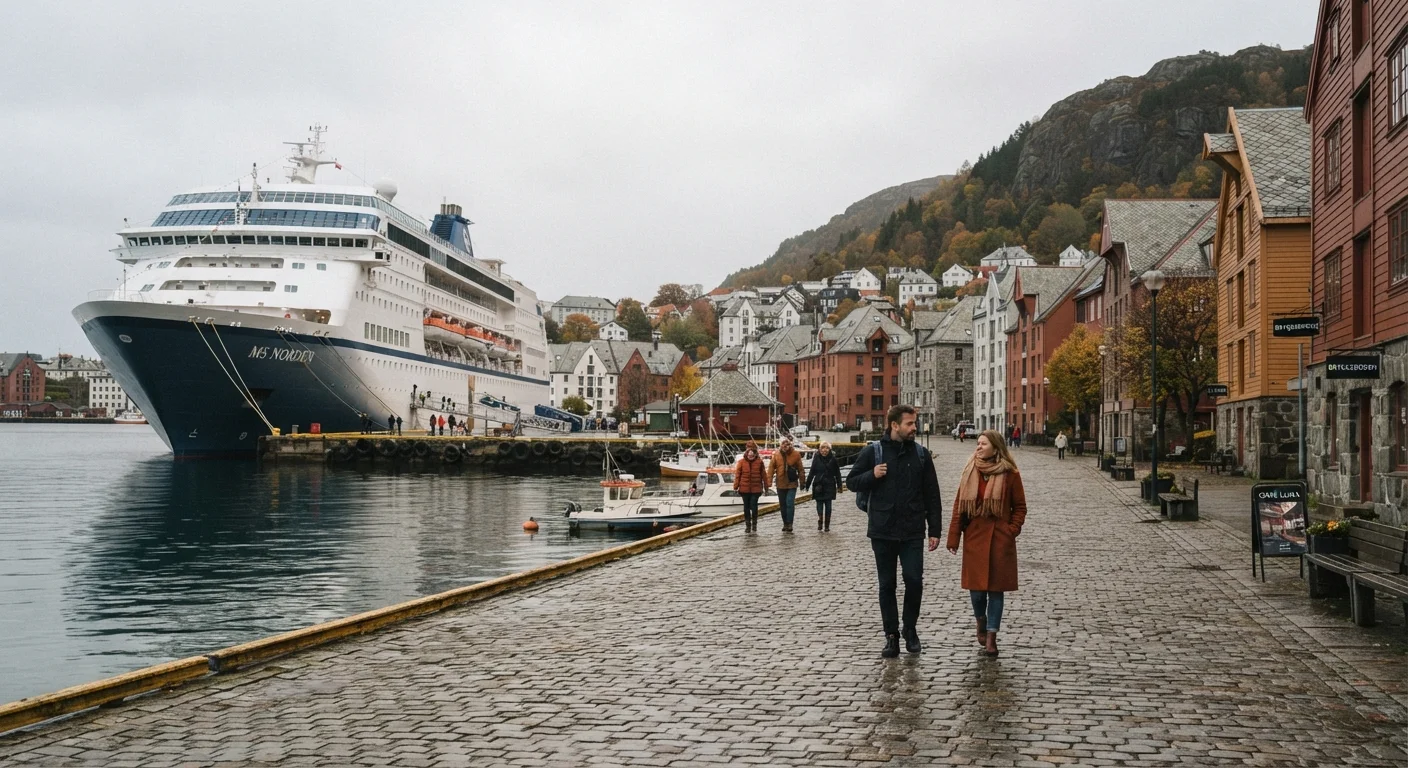
Shoulder-season sailings can mean lower fares and fewer crowds, but also trade-offs in weather and port availability. Here's a balanced look at the decision.
Our Verdict
Shoulder-season cruising suits travelers who want more space and are comfortable with some weather unpredictability. The fare savings are real but not universal, and the trade-offs in weather and port availability are worth mapping out before you book.
Travelers with schedule flexibility, a tolerance for variable weather, and a priority on avoiding peak crowds.
Key takeaways
- Shoulder season generally falls in the weeks just before or after peak travel periods, varying by region and itinerary.
- Fares and onboard costs tend to be lower, but savings are not guaranteed and depend on the cruise line and route.
- Weather during shoulder season is more variable, which can affect port calls and outdoor activities.
- Fewer crowds at ports can improve the experience, but some attractions may have reduced hours or seasonal closures.
- Travel insurance is especially worth considering when weather risk is higher.
What shoulder season means for cruises
Shoulder season sits between peak and off-peak periods, and its exact timing depends on the region. In the Caribbean, it generally covers late April through May and again in November. In the Mediterranean, it tends to fall in April to early May and October through early November. Alaska shoulder season often runs in May and early September.
Because the definition shifts by itinerary, it is worth checking the specific sailing dates against regional weather patterns and local school holiday calendars, not just a general rule. Building a realistic cruise budget before you book means factoring in when you sail, not just where.
Advantages of shoulder-season sailings
Lower fares compared to peak weeks
Cruise lines reduce pricing during shoulder periods to maintain occupancy. Savings compared to peak sailings on the same itinerary can be meaningful, though the actual difference varies widely by line and route.
Less congestion at popular ports
Fewer ships calling at the same port on the same day means shorter queues, more space at landmarks, and generally more time to move around comfortably ashore.
More cabin availability and category options
With lower overall demand, a wider range of cabin categories tends to remain available closer to sailing dates, giving travelers more choice without paying a premium.
Milder temperatures at some destinations
In regions like the Mediterranean, shoulder months often bring comfortable temperatures without the intense summer heat, which can make walking port cities more pleasant.
Cabin prices and onboard credit deals are more common during shoulder season because cruise lines are filling capacity at a period of softer demand. Booking early does not always guarantee the lowest fare, and shoulder-season sailings sometimes price lower even when booked close to departure. That said, fare patterns vary across cruise lines, ship sizes, and routes, so comparison across multiple departure dates remains the practical approach.
Port congestion is another factor. Popular stops in the Mediterranean or Caribbean can receive several large ships simultaneously during peak weeks, which means long tender queues, crowded attractions, and tighter time ashore. Shoulder-season itineraries frequently call at the same ports with notably fewer competing ships in the harbor. Port day safety and logistics also become easier to manage when crowds are thinner.
Disadvantages of shoulder-season sailings
Higher weather variability and rough-sea risk
Shoulder season coincides with transitional weather patterns in most cruise regions, raising the chance of rain, wind, and choppier seas compared to peak months.
Seasonal closures at some port attractions
Smaller ports may have restaurants, tour operators, or local sites operating on reduced hours or closed entirely outside the main tourist season.
Possible itinerary changes due to weather
Cruise lines can modify or skip port calls when conditions are unsafe. Shoulder season raises this probability, particularly in the Caribbean during early hurricane season.
Fewer onboard activities tied to weather
Pool decks, outdoor dining, and weather-dependent excursions are less reliable when sailing in a transitional season, which can affect the overall experience for passengers who prefer outdoor time.
Weather is the most significant variable. Shoulder periods exist precisely because conditions are less reliable. The Caribbean shoulder season in late spring overlaps with the early Atlantic hurricane season. The Mediterranean in October can bring rain and occasional rough seas in the western basin. Alaska in early May may still have snow at higher elevations and cold temperatures that limit some excursions.
Some port-side businesses, including local tour operators and restaurants, operate on reduced schedules outside peak months. A few smaller ports may have seasonal attraction closures, which can narrow your options ashore. Cabin selection matters more when weather may push passengers indoors, so it is worth thinking about how much outdoor versus onboard time you expect.
River and ocean itineraries differ by season
If you are deciding between a river or ocean itinerary for shoulder-season travel, the two formats handle weather and seasonality differently. River itineraries face low-water risks in some seasons, while ocean routes deal more with sea conditions. River versus ocean cruising covers how each format responds to off-peak conditions.
If you are deciding between a river or ocean itinerary for shoulder-season travel, the two formats handle weather and seasonality differently. River versus ocean cruising covers how each format responds to off-peak conditions.
Practical steps before you book
Check historical weather data for your specific ports during the weeks you are considering, not just for the broader region. National meteorological agencies publish long-term averages that give a more accurate picture than general travel advice.
Review the cruise line's cancellation policy for port calls. Ships can skip a port if conditions are unsafe, and shoulder season raises that probability. Knowing the policy in advance helps set realistic expectations.
Travel insurance with trip interruption and weather-related cancellation coverage is worth examining carefully for shoulder-season bookings. General information about what policies cover is available through your state insurance commissioner's office. Always read policy terms before purchasing rather than assuming coverage.
June 1 - Nov 30
Atlantic hurricane season dates
The National Hurricane Center defines the Atlantic hurricane season as June 1 through November 30, overlapping with part of the Caribbean shoulder period.
Varies by region
Definition of shoulder season
There is no universal shoulder-season calendar for cruising; timing shifts by destination, with Mediterranean, Caribbean, and Alaska each following different peak patterns.
The content on this site is for informational purposes only and is not a substitute for professional advice. Always consult a qualified professional for guidance specific to your situation.