
Your First Trip from Scratch: A No-Overwhelm Planning Framework

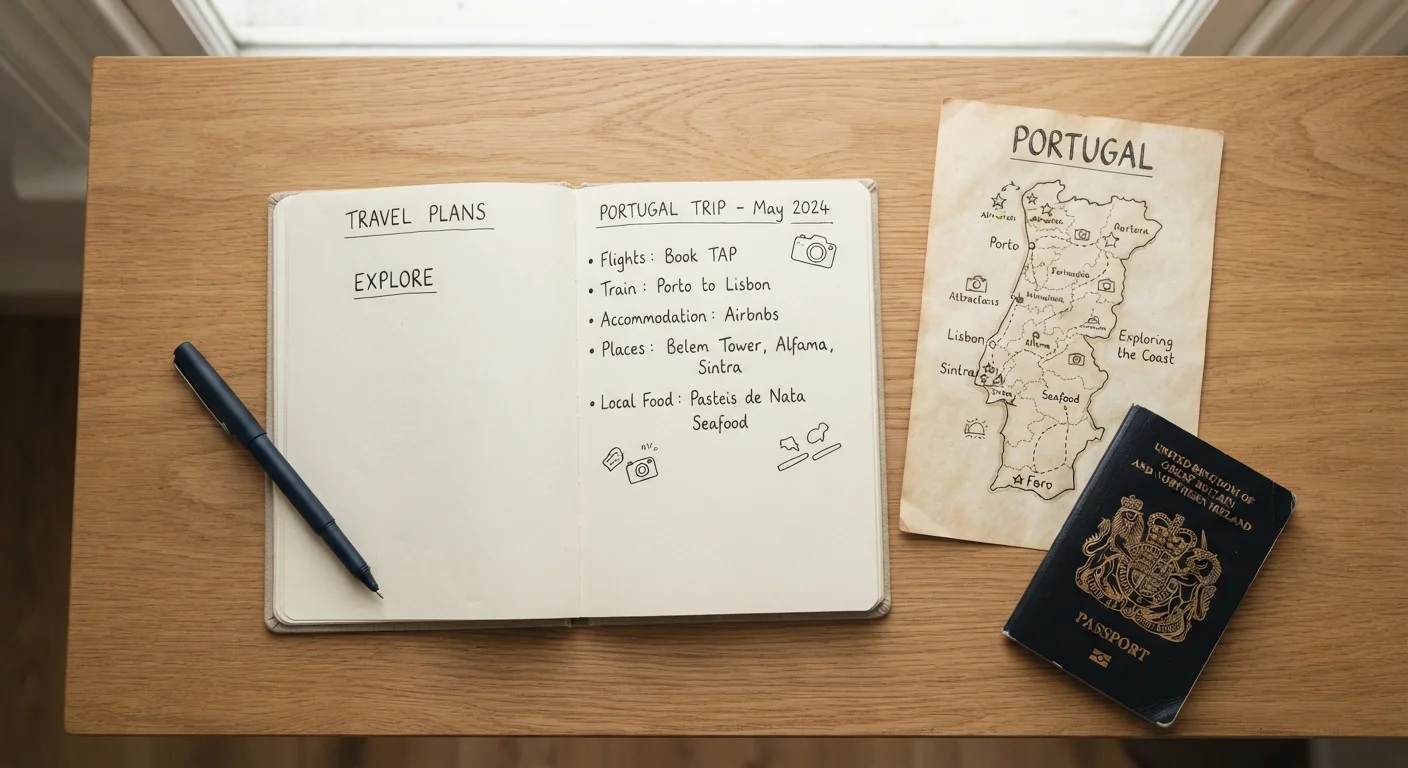
New to trip planning? This beginner-friendly framework breaks the process into clear, manageable steps so you can travel with confidence.
Start here
Choose a destination and set your dates
Next
Set a realistic budget
Then
Book the non-negotiables first
After that
Build a day-by-day outline
Finally
Prepare for departure
Key takeaways
- Locking in a destination and fixed travel dates is the first decision everything else depends on.
- Setting a budget before you book anything prevents overspending on the parts you book first.
- Flights and accommodation should be confirmed before you plan activities or tours.
- A loose day-by-day outline reduces on-the-ground stress without removing flexibility.
- Entry requirements, insurance, and packing belong to a final preparation phase, not an afterthought.
Choose a destination and set your dates
Every trip starts with two decisions: where you are going and when. These are not separate questions. Your dates affect which destinations are practical (weather, peak seasons, school holidays), and your destination affects how much lead time you need for visas or vaccinations.
If you are stuck on destination, narrow the field with three practical filters: your passport's current validity, how much time off you actually have, and a rough spending ceiling. Those three filters will rule out a lot of options and make the remaining choices manageable.
Once you have a destination in mind, pin down your travel window to specific calendar dates rather than a vague month. Flexible dates are fine at first, but you cannot book anything without fixing them eventually, and firming them up early prevents the decision from stalling the rest of your planning.
Travel itinerary
A written plan that maps out where you will be and when during a trip, covering transport, accommodation, and planned activities.
Anchor booking
A confirmed reservation (usually a flight or hotel) that fixes the core dates and locations of your trip, around which everything else is planned.
Travel buffer
Extra time or money set aside to absorb delays, unexpected costs, or changes without disrupting the rest of your plans.
Entry requirements
Rules set by a destination country that travelers must meet before arriving, such as holding a valid visa, passport, or proof of vaccinations.
Set a realistic budget
A budget defined before you book anything keeps your spending in proportion. The common mistake is booking flights first, spending most of the budget, and then scrambling on accommodation and activities.
Break your estimate into four categories: transport (flights, trains, or car costs), accommodation, daily expenses (food, local transit, entrance fees), and a buffer of roughly 10 to 15 percent of your total for unexpected costs. Research typical nightly rates and average daily food costs for your specific destination; these vary enormously by country and city.
The budgeting basics hub covers foundational tracking strategies that transfer directly to travel spending. Once you have a working number, treat it as a ceiling, not a starting point.
Book the non-negotiables first
Flights and accommodation are your anchor bookings. Confirm them before you plan anything else, because every other decision (how many days in each place, which activities fit, what time you need to leave) depends on knowing where you will sleep and how you will get there.
When choosing accommodation, prioritize location over amenities for a first trip. Staying close to transit hubs or the areas you plan to visit most reduces daily friction and transit costs.
Verify entry rules before you book
Visa requirements, passport validity rules, and health entry conditions vary by destination and can change without much notice. Check official government travel advisory sites for both your home country and your destination before you confirm any booking. Acting on outdated information can result in denied boarding or entry.
Travel insurance is worth considering at this stage, not after. Coverage for cancellations, medical emergencies, and lost luggage is generally cheaper and simpler to arrange before you have paid for most of your trip.
Build a day-by-day outline
An outline is not a tight schedule. It is a list of what you want to do on each day, written loosely enough that a delay or a change of mood does not break everything.
For each day, identify one anchor activity (a museum, a day trip, a long hike) and note roughly how long it takes to get there. That transit time is what most first-time planners skip, and it is where trips start to feel rushed. Underestimating transit time is one of the most common ways a well-intentioned plan falls apart on the road.
See rigid schedule vs. loose itinerary if you are unsure how much structure suits you. Both approaches are valid; the choice depends on your travel style and the type of destination.
Write decisions down as you make them
A shared document or simple notes app works well for capturing confirmation numbers, addresses, and travel times in one place. Keeping everything in one spot means you are not searching through emails at the airport. This habit also makes it easier to spot gaps in your plan before you leave.
Prepare for departure
In the final week before you leave, run through four areas: documents, money, packing, and logistics.
- Confirm that your passport is valid and that you have any required visas. Check official government sources for current entry requirements at your destination.
- Notify your bank of your travel dates to avoid blocked transactions abroad. Know whether your cards carry foreign transaction fees.
- Pack according to your itinerary, not just your destination's general climate. The first-time traveler packing guide covers bag types and packing methods for people new to this step.
- Confirm all reservations and save digital and paper copies of confirmation numbers, accommodation addresses, and emergency contacts.
A complete travel itinerary document pulls these pieces together into a single reference you can use on the road.
Frequently Asked Questions
The content on this site is for informational purposes only and is not a substitute for professional advice. Always consult a qualified professional for guidance specific to your situation.