
Things That Feel Essential to Book in Advance But Often Are Not

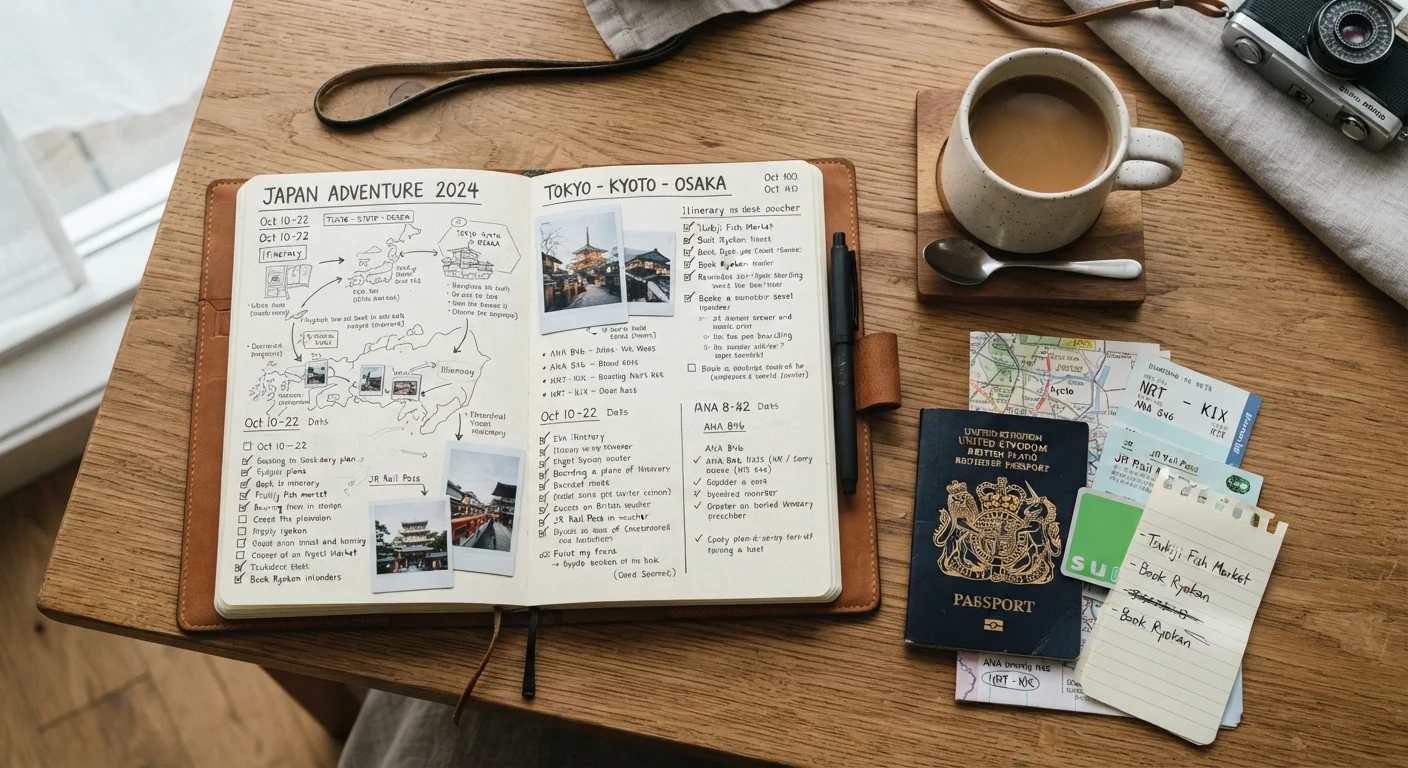
Some travelers over-book every detail weeks out and lose flexibility for nothing. See which reservations genuinely matter and which usually do not.
Key takeaways
- Flights and accommodations genuinely benefit from early booking, but most other reservations do not.
- Over-booking in advance can cost you flexibility without reducing real risk.
- Many popular activities, day tours, and restaurants have same-day or next-day availability.
- Cruise shore excursions booked through third parties often stay open well before departure.
- Leaving gaps in your schedule lets you respond to weather, fatigue, and local recommendations.
- A light itinerary with a few anchored bookings tends to outperform a rigidly pre-planned trip.
Why travelers over-book
First-time and casual travelers often approach a trip the same way they approach a work deadline: nail down every detail early so nothing goes wrong. The instinct makes sense, but it can result in a schedule so full of prepaid reservations that the trip becomes a checklist rather than a trip. You lose the ability to sleep in, change direction, or take a local's suggestion on where to eat.
The question worth asking before each booking is not "can I reserve this now" but "will it actually be unavailable if I wait." For most experiences outside of peak-demand anchors, the answer is that waiting costs you very little. Common assumptions about booking early do not always hold up when you look at how inventory actually moves.
When advance booking genuinely matters
There are cases where booking early is not optional: peak-season accommodations in small towns with limited rooms, national park entry permits with annual quotas, and popular long-haul flights on narrow route networks. These are capacity-limited in a way that most tourist activities are not. The guidance in this article applies to the broad middle category of experiences that travelers routinely over-book out of habit.
What you can usually leave open
Restaurant reservations at most casual or mid-range spots
Unless you are targeting a small tasting-menu restaurant with a known weeks-long wait list, most dining does not need to be locked in before you arrive. Mid-range and casual restaurants in tourist areas maintain rolling availability. Walking in or calling the morning of works at the overwhelming majority of places travelers actually visit. Prepaying for a dinner on day three of a trip means you are committed to that neighborhood, that mood, and that appetite whether or not any of those things hold.
Prepaying for dinner on day three locks in your mood, neighborhood, and appetite before you have any of that information.
Day tours and activity bookings at popular destinations
Tour operators in well-traveled destinations run multiple departures per day. Boat tours, city walking tours, cooking classes, and similar activities routinely have same-day or next-day slots. Booking four weeks out means you are paying a deposit on an experience you have not yet confirmed you want, at a time when the weather forecast means nothing. Check availability a day or two before you want to go, and you will find open spots far more often than not. The exceptions are genuinely capacity-capped experiences: small-group wilderness permits, certain national park entry slots, and specialized private tours.
Tour operators in well-traveled destinations routinely have same-day slots for their most popular departures.
Ground transportation between cities
Bus and train travel within a country rarely sells out far in advance except on major holiday weekends. Intercity buses in the US, train corridors in Europe, and ferry routes in island destinations all carry enough capacity that booking a week out, or even the day before, is usually sufficient. Locking in a specific departure time weeks early can force you to rush through a destination you are enjoying or skip something good because you have a bus to catch. Building realistic transit time into your plan is more useful than pre-booking every leg.
A specific departure time booked weeks early can force you to leave a place before you are ready.
Museum and attraction entry on non-peak days
Many travelers pre-book museum tickets out of general anxiety, not because the venue actually sells out. Large permanent-collection museums in major cities sell timed-entry slots that move steadily, not rapidly. Check the venue's own booking data or recent visitor reports before committing. Skip-the-line tickets that include a booking fee are worth buying when lines are genuinely long, but buying them two months ahead for a mid-week visit in the off-season adds cost with no practical benefit. Temporary blockbuster exhibitions are the real exception: those do fill early.
Skip-the-line fees are worth paying when lines are genuinely long, not as a precaution against a crowd that may not appear.
Car rentals at most regional airports
Outside of small island airports with only a few rental desks, car rental inventory at regional and mid-size airports rarely depletes weeks in advance. Prices often shift closer to the rental date, and a reservation made too early can lock you into a rate that does not reflect final demand. Checking rates two to four weeks out tends to give you a clearer picture. Major holiday weekends and peak summer at mountain or beach destinations are the real high-demand windows where earlier confirmation makes more sense.
Car rental rates at regional airports often shift closer to the date, so very early reservations can lock in a higher price.
Exact accommodations for every night of a long trip
Pre-booking every single night on a multi-week trip removes the ability to stay longer somewhere you love or move on early from somewhere that does not suit you. For the first and last nights, an advance booking is sensible: you may arrive tired or have an early flight. For the middle portion of a longer trip, holding one or two nights' worth of flexibility costs little in most destinations. Flexibility about where you go is most valuable when your accommodation plan supports it rather than prevents it.
Pre-booking every night on a long trip removes the ability to stay somewhere longer when it turns out to be worth it.
What to anchor early instead
The items that genuinely warrant early booking share one trait: limited physical capacity that fills up weeks or months out. Long-haul flights on popular routes, accommodations with fewer than twenty rooms, tickets to time-specific performances with assigned seating, and entry permits for heavily regulated natural areas all fall into this group. Everything else is worth a quick check of current availability before committing.
If you are traveling on a cruise, the ship itself is the advance booking. Most shore activities, specialty dining, and onboard experiences can be arranged after you board or in the days before. Prepaid cruise add-ons can inflate costs without providing real protection against being locked out.
For a broader view of how to build a plan that has structure without rigidity, see the trade-offs between tight and flexible itineraries and what a functional travel itinerary actually contains.
The content on this site is for informational purposes only and is not a substitute for professional advice. Always consult a qualified professional for guidance specific to your situation.