
New Car or Used Car: How the Decision Actually Breaks Down

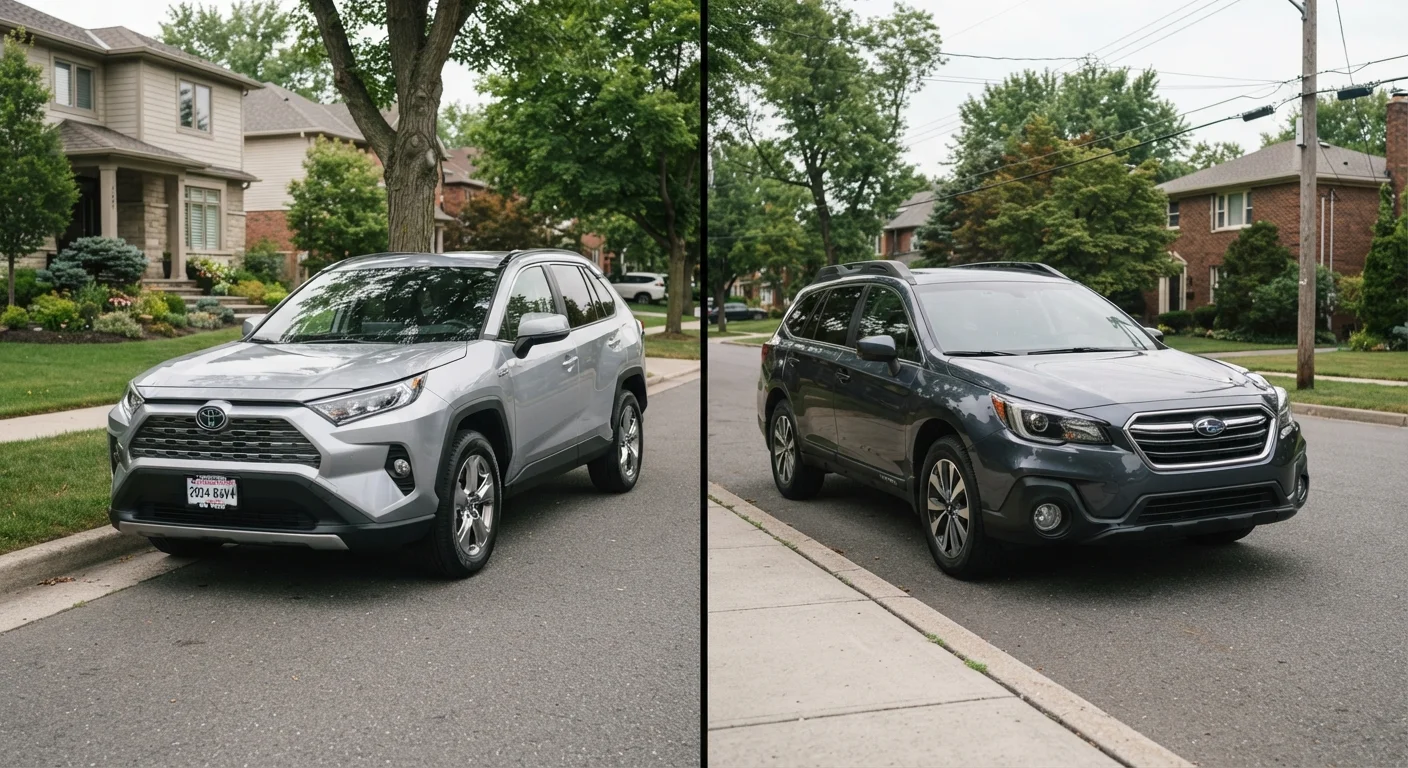
Weigh the real trade-offs between buying new and used, including depreciation, warranty coverage, and total cost of ownership.
Option A
New car
The full-warranty, zero-history option.
Best for: Buyers who want predictable costs, the latest safety technology, and manufacturer financing options.
Option B
Used car
The lower-entry-cost, depreciation-absorbed alternative.
Best for: Buyers who prioritize lower purchase price and are comfortable with some ownership history and variability.
Key takeaways
- New cars lose a significant portion of their value in the first few years of ownership.
- Used cars carry lower sticker prices but may come with higher maintenance uncertainty.
- Warranty coverage differs sharply between new and used vehicles and affects total cost.
- Financing rates for new cars are often lower, which can offset some of the price gap.
- Total cost of ownership, not purchase price alone, determines which option costs less overall.
Where the real cost difference comes from
The sticker price gap between a new and used vehicle is obvious. What is less obvious is how that gap behaves over time once you factor in depreciation, financing, insurance, and maintenance.
New cars depreciate fastest in the first one to three years. A vehicle that leaves the lot today may be worth 20 percent less within twelve months, depending on the model and market conditions. That depreciation is a real cost to the owner, even though it does not show up on a monthly payment schedule. The mechanics of depreciation determine how much equity you will have when you eventually sell or trade in.
Used cars have already absorbed much of that drop, so the buyer is not paying for the steepest part of the curve. However, a lower purchase price does not automatically mean a lower total cost. Maintenance expenses tend to rise as a vehicle ages, and a used car without warranty coverage passes those costs directly to the owner.
| Criterion | New car | Used car |
|---|---|---|
| Purchase price | Higher | Lower |
| Depreciation exposure | Steepest in first 1-3 years | Much already absorbed |
| Warranty coverage | Full manufacturer warranty | Limited or none |
| Financing rate | Often lower (promotional) | Typically higher |
| Insurance cost | Generally higher | Generally lower |
| Maintenance predictability | High (under warranty) | Variable |
| Safety technology | Latest available | Depends on model year |
| Vehicle history | None (zero miles) | Must verify independently |
To see the full picture before committing, it helps to work through the total cost of ownership, which includes insurance premiums, fuel, registration fees, and expected service intervals alongside the purchase price.
Warranty and reliability: what each option actually provides
A new car comes with a manufacturer warranty, typically covering the powertrain for five years or sixty thousand miles and the full vehicle for three years or thirty-six thousand miles. These figures vary by manufacturer. During that window, most mechanical repair costs fall on the manufacturer rather than the owner.
Used cars sold through private parties generally carry no warranty at all. Dealer-sold used vehicles may include a limited warranty, but the coverage is usually much shorter and narrower than what a new car provides. Certified pre-owned (CPO) programs occupy a middle ground, with inspections and extended coverage, but they also carry a price premium. The difference between CPO and standard used vehicles matters when comparing actual protection against the price difference.
Reliability history for a specific used model is publicly available through sources such as the National Highway Traffic Safety Administration (NHTSA) database and manufacturer recall records. Checking those records before purchase is one of the more practical ways to reduce the uncertainty that comes with buying used.
Financing and insurance: the costs that vary between options
Manufacturer-backed financing on new cars is often offered at promotional rates that used-car loans do not match. A lower interest rate on a higher principal amount can sometimes produce a monthly payment comparable to a higher-rate loan on a cheaper used vehicle, though the total interest paid over the loan term still differs.
Insurance premiums are generally higher for new vehicles. Lenders typically require comprehensive and collision coverage on a financed new car, and the insured value is higher. A used car, particularly one owned outright, can often be insured at a lower cost by carrying only the minimum required coverage, though that decision involves its own trade-offs.
The full car-buying process covers how financing, insurance, and negotiation interact across both new and used purchases, which is worth reviewing before finalizing a budget.
Who each path suits and how to decide
A new car fits buyers who want a known mechanical history, full warranty protection, access to the latest safety systems, and a predictable cost structure for at least the first three to five years. The higher purchase price is the trade-off.
A used car fits buyers whose budget is tighter, who are comfortable doing some research on vehicle history and condition, and who are not as concerned about owning the latest model year. The lower price is real, but so is the greater variability in what you might be getting.
Neither option is universally cheaper. The answer depends on how long you plan to own the vehicle, how much mechanical uncertainty you can absorb, and what financing terms you qualify for. If you are weighing whether to buy at all versus lease, the structural differences between leasing and buying are worth understanding separately before settling on a direction.
Once you have narrowed to used, reading listings carefully is its own discipline. The language used in used-car listings can obscure condition issues that affect value and reliability.
The content on this site is for informational purposes only and is not a substitute for professional advice. Always consult a qualified professional for guidance specific to your situation.