
Private Sale Car Buying: What the Process Looks Like

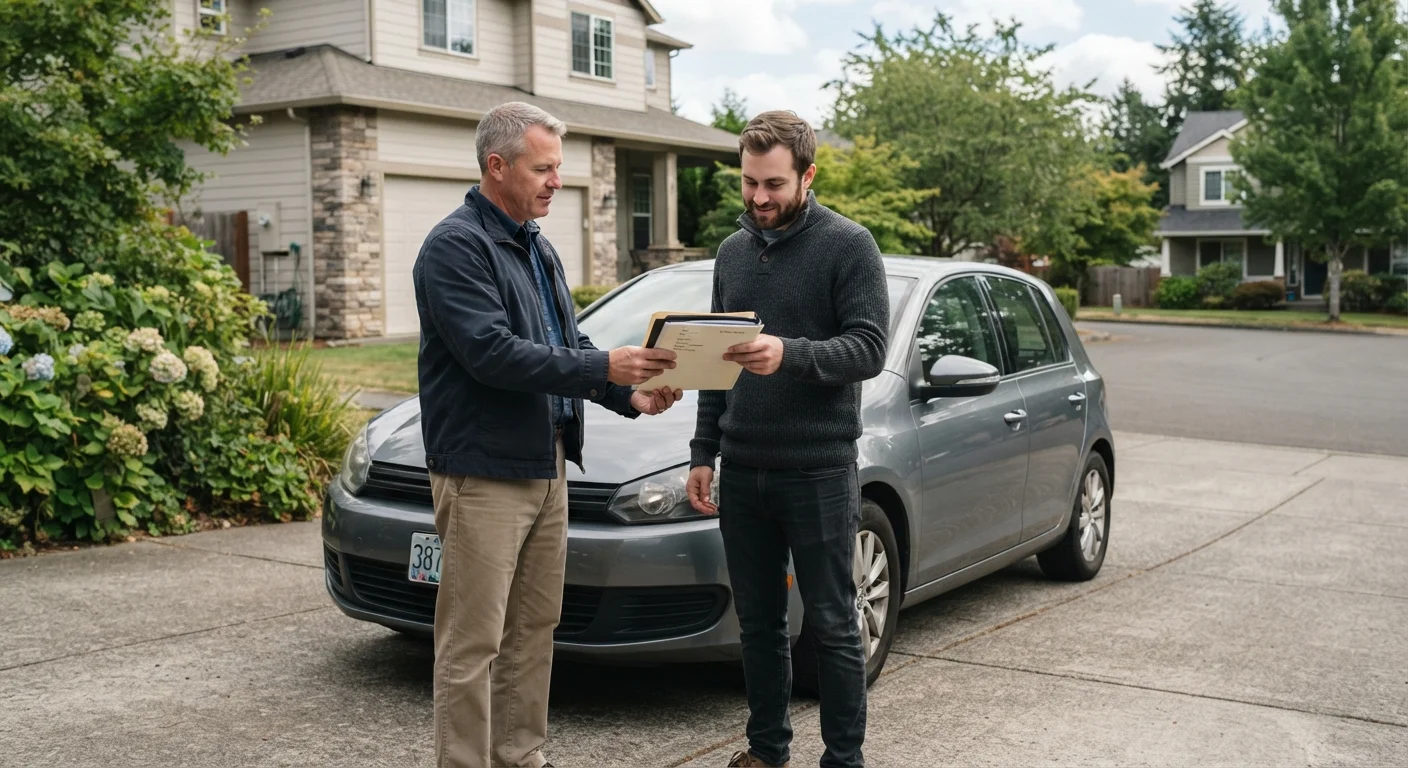
Buying a car directly from an owner differs from a dealership purchase. Here is what to expect, verify, and document to protect yourself.
Key takeaways
- Private sales offer no dealer warranties, so independent inspection is your primary protection.
- A vehicle history report and title check are mandatory before any money changes hands.
- Payment method matters: cash or a cashier's check is standard; avoid wire transfers to unknown parties.
- Both buyer and seller must complete a bill of sale and title transfer at the time of the transaction.
- You will typically need to arrange your own financing and insurance before the handover.
How private sales differ from buying at a dealership
When you buy from a private seller, you are dealing directly with the current owner. There is no finance manager, no extended warranty desk, and no certified inspection backing the car. That absence of intermediaries can mean a lower purchase price, but it also shifts more verification responsibility onto you.
Dealers operate under consumer protection regulations and typically must disclose known defects in writing. Private sellers in most states are not held to the same disclosure standards, and most private sales are completed "as is." Once the title changes hands, any mechanical problem that surfaces is yours to address.
Certified pre-owned vehicles sit at the opposite end of this spectrum: they carry manufacturer-backed inspections and limited warranties. A private sale has none of that structure, which is why your due diligence before signing matters so much. For a broader comparison of purchase paths, see the full car-buying process.
What you will need
Step-by-step: what to do from first contact to title transfer
Each stage below builds on the last. Skipping any one of them, particularly the inspection and title check, creates a gap that is difficult to close after the transaction is complete.
Get the VIN and run a history report before any meeting
Ask the seller for the 17-character VIN before you schedule a visit. Use it to pull a vehicle history report from a recognized provider. Look for title problems (salvage, rebuilt, or flood designations), odometer rollback flags, open recalls, and the number of previous owners. A clean report does not guarantee a sound car, but a problem-flagged report can save you an unnecessary trip.
Inspect the vehicle in person during daylight
Walk around the car in good light. Look for uneven panel gaps, mismatched paint, or overspray on rubber trim, all of which can indicate prior accident repair. Check for rust on the underbody, wheel wells, and frame rails. Open every door, the hood, and the trunk. Start the engine cold if possible and listen for unusual noises on startup.
Arrange an independent pre-purchase inspection
A mechanic you choose (not one the seller recommends) should put the car on a lift and evaluate the brakes, suspension, fluid condition, belts, tires, and any diagnostic trouble codes stored in the vehicle's computer. Budget roughly $100 to $200 for this service. The seller should agree to this request; reluctance to allow an inspection is itself a signal worth taking seriously.
Verify title status and confirm there is no active lien
Ask to see the physical title. Confirm the seller's name matches the title exactly and that no lienholder is listed, or that a lien release letter accompanies the title. You can also check lien status through your state's DMV or a title search service. Buying a car with an unresolved lien means the lender may have a legal claim to the vehicle even after you pay the seller.
Negotiate price and agree on terms in writing
Use the inspection findings, the vehicle history report, and current market data for comparable vehicles to inform your offer. Any agreed price reduction for known defects should be documented. Verbal agreements do not hold up; a written bill of sale should list the sale price, VIN, odometer reading, date, and both parties' names and signatures. Some states provide a standard bill of sale form through the DMV.
Arrange insurance before taking the keys
In most states you must have at minimum liability insurance in force before legally driving the vehicle. Contact your insurer before finalizing the purchase to add the car to your policy. If you are financing the purchase through a lender, that lender will require comprehensive and collision coverage as a condition of the loan.
Complete the title transfer and registration at the DMV
Bring the signed title, your bill of sale, a valid ID, proof of insurance, and payment for applicable fees and taxes to your state DMV office. The DMV will issue new plates or transfer existing ones, collect sales tax, and record you as the legal owner. Until this step is complete, ownership is not fully formalized in the public record.
As-is means exactly that
Private sales in most U.S. states carry no implied warranty of merchantability. If a transmission fails the day after purchase, the seller has no legal obligation to contribute to the repair cost. The pre-purchase inspection is your main tool for managing this risk; it is not optional on a significant purchase.
Paperwork, payment, and what happens at the DMV
After the inspection clears and you have agreed on a price, the transaction itself requires two documents at minimum: a signed title and a bill of sale. The title must be signed by the seller in the exact name printed on it. If there is a lien listed, the lienholder must release it before the seller can legally transfer ownership to you. Do not accept a title that still shows an active lender without written lien release documentation in hand.
Payment by cashier's check is the most common approach for private sales. Personal checks carry risk for the seller, and large cash transactions carry risk for both parties. Wire transfers to strangers carry a high fraud risk and should be avoided.
Once you have the signed title and bill of sale, take both to your state DMV (Department of Motor Vehicles) office within the timeframe your state requires, typically within 10 to 30 days, to transfer the title into your name and register the vehicle. You will owe any applicable state sales tax at that point. Requirements vary by state, so check your DMV's website directly before the transaction to confirm what forms you need.
For questions about what fees and contract line items mean in other purchase contexts, this reference on car purchase contract fees covers common charges in detail.
The content on this site is for informational purposes only and is not a substitute for professional advice. Always consult a qualified professional for guidance specific to your situation.