
The Complete Guide to Cat Nutrition and Feeding

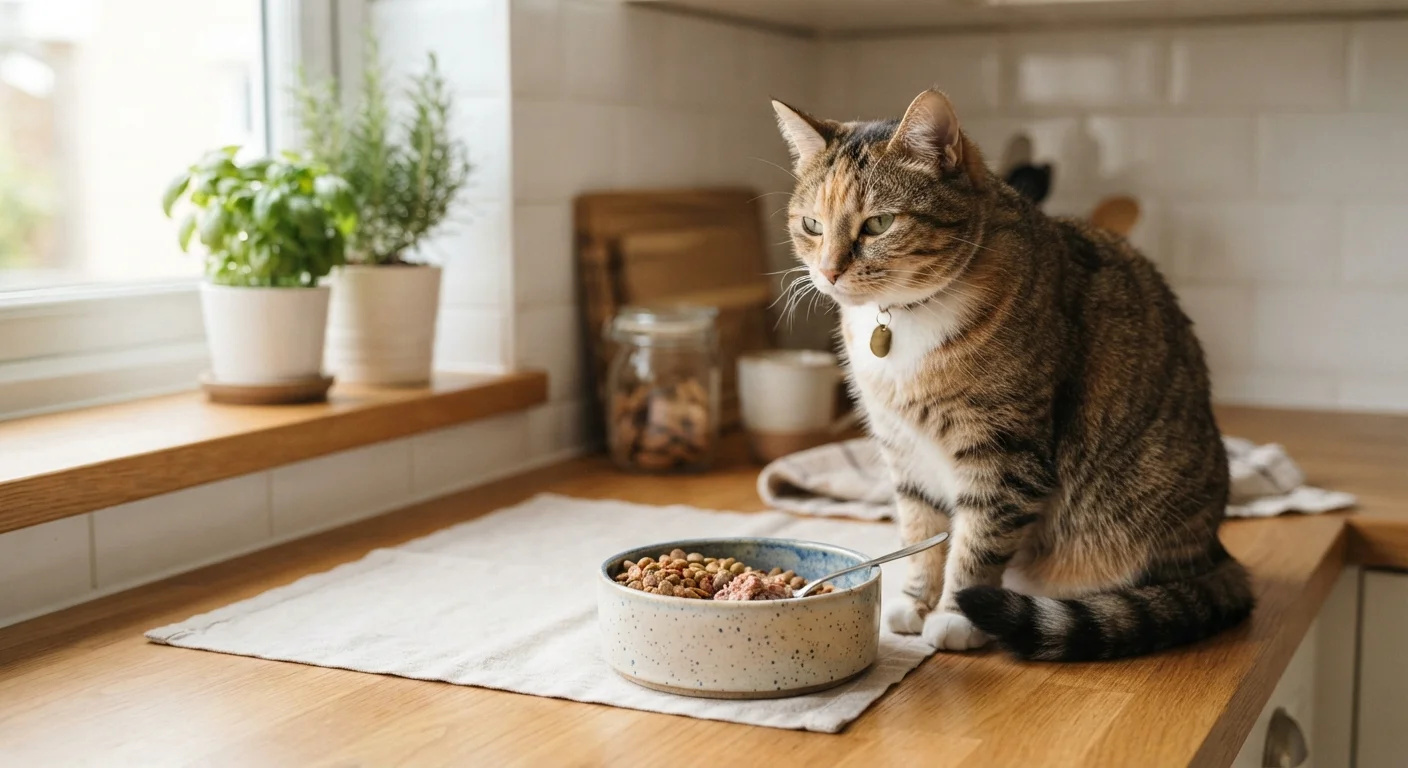
An end-to-end resource covering feline dietary requirements, food types, hydration, life-stage feeding, and how to spot nutritional red flags.
Key takeaways
- Cats are obligate carnivores and cannot meet their nutritional needs from plant-based diets.
- Taurine, arachidonic acid, and preformed vitamin A are nutrients cats cannot synthesize and must get from food.
- Wet food supports hydration in ways dry food cannot, which matters for urinary and kidney health.
- Feeding amounts and food types should change as cats move through kittenhood, adulthood, and senior years.
- Sudden weight change, dull coat, or lethargy can signal a nutritional problem worth a vet visit.
Why cat nutrition is different from other pets
Cats are obligate carnivores. That biological classification means their bodies rely on nutrients found only in animal tissue, and skipping that requirement leads to real deficiencies, not just suboptimal health. Dogs and humans can convert certain plant compounds into usable nutrients; cats largely cannot.
The liver of a cat lacks the enzymatic pathways that would let it synthesize taurine from precursor amino acids in meaningful amounts. Without taurine from food, cats develop dilated cardiomyopathy (a heart condition) and retinal degeneration over time. That is not a risk in dogs fed a balanced diet without added taurine. Understanding this distinction matters before choosing any food or making diet changes. For a broader grounding in what nutrients do inside any body, the nutrition basics guide is a useful starting point.
Core nutrients cats need daily
Four nutrients separate cat dietary requirements from those of most other mammals:
- Taurine: An amino sulfonic acid found in muscle meat and organs. Cats need it preformed in food because they cannot make adequate amounts themselves.
- Arachidonic acid: An omega-6 fatty acid that cats cannot synthesize from linoleic acid the way dogs can. Animal fat is the only reliable source.
- Preformed vitamin A: Cats cannot convert beta-carotene from plants into vitamin A. Liver and other organ meats supply the retinol form they need.
- Protein: Cats use dietary protein not just for muscle repair but as an energy source. Their protein requirement per body weight is higher than dogs or humans.
Commercial cat foods formulated to meet Association of American Feed Control Officials (AAFCO) nutrient profiles cover these requirements when fed as directed. Foods labeled "complete and balanced" for the appropriate life stage have met those standards either through formulation or feeding trials.
Read the AAFCO nutritional adequacy statement on every cat food label before buying. A food that says 'for supplemental feeding only' is not complete on its own and should not be used as a sole diet.
The AAFCO statement is the clearest signal of whether a food meets established minimums. Many owners miss this line and assume any commercial product is complete.
When transitioning to a new food, mix it with the old food over seven to ten days, increasing the new food proportion gradually. Abrupt switches frequently cause digestive upset in cats.
The feline gut microbiome adjusts slowly. A gradual transition reduces the likelihood of vomiting or diarrhea that owners might attribute to the new food being wrong for their cat.
Wet food, dry food, and raw diets
Each food format has real trade-offs worth weighing.
Wet food contains 70 to 80 percent moisture and typically delivers more protein relative to its calorie content than dry food. It tends to be more palatable for finicky eaters and contributes to daily fluid intake, which matters given how poorly many cats self-regulate water drinking.
Dry kibble is convenient and calorie-dense. Its lower moisture content means cats on an all-dry diet need to drink more water to compensate, and many do not. Some dry foods are formulated with dental health in mind, though the evidence for kibble preventing tartar is mixed.
Raw and homemade diets raise separate questions around food safety, nutritional completeness, and practicality. Bacterial contamination is a documented risk for both the cat and the humans handling the food. Nutritional deficiencies are common in homemade recipes that have not been reviewed by a board-certified veterinary nutritionist. The trade-offs of homemade pet food covers these considerations in depth if you are weighing that route.
Hydration and why cats resist drinking
Cats evolved in arid environments and have a low thirst drive compared to dogs. In the wild, they obtained most of their water from prey. A domestic cat eating dry kibble must compensate through the water bowl, and many do not drink enough to make up the deficit.
Chronic mild dehydration is associated with feline lower urinary tract disease and early kidney disease, both common in cats. Feeding wet food is one practical way to increase daily fluid intake without relying on a cat to drink more. A water fountain can also increase water consumption in some cats because moving water triggers their interest.
If your cat eats mainly dry food, placing multiple water stations away from the food bowl can help. Cats instinctively prefer water sources that are not next to their food, likely because still water near a kill would be contaminated in the wild.
Feeding across life stages
A single formula fed throughout a cat's life is rarely adequate. Nutritional needs shift at three distinct stages.
Kittens (under 12 months): Growth demands more calories, protein, calcium, and phosphorus per pound of body weight than adult maintenance. Feed a food labeled "for growth" or "for all life stages" with AAFCO verification. Kittens typically need three to four small meals per day.
Adults (1 to 7 years): Maintenance feeding aims to hold a healthy body weight. Free feeding dry kibble often leads to overeating. Measured meals twice daily give better portion control. Body condition score, a simple hands-on assessment your vet can teach you, is more useful than the scale alone.
Senior cats (7 years and older): Kidney function often declines with age, which can change how much protein and phosphorus is appropriate. Some senior cats lose weight despite eating, a pattern called cachexia that warrants veterinary evaluation. Others gain weight from reduced activity. There is no universal senior formula; a vet who knows your cat's bloodwork can guide the right direction. The hub on pet health basics has broader context on keeping cats healthy through every stage.
Spotting nutritional red flags
Diet problems rarely announce themselves all at once. The following signs can point to an underlying nutritional issue and are worth raising with a veterinarian:
- Unexplained weight loss or gain over a few weeks
- Dull, brittle, or excessively shed coat
- Persistent loose stools or constipation
- Lethargy or reduced interest in activity
- Vomiting more than once or twice weekly
- Excessive thirst paired with increased urination
Changes in grooming behavior can also reflect health or nutritional shifts. What counts as normal cat grooming walks through those distinctions. If you notice multiple signs at once, a full veterinary exam with bloodwork is the appropriate next step rather than switching foods independently.
This article provides general educational information about cat nutrition and is not a substitute for veterinary advice. Consult a licensed veterinarian for guidance specific to your cat's health, diet, and medical history.
The content on this site is for informational purposes only and is not a substitute for professional advice. Always consult a qualified professional for guidance specific to your situation.