
Skin and Coat Condition as a Window Into Your Pet's Overall Health

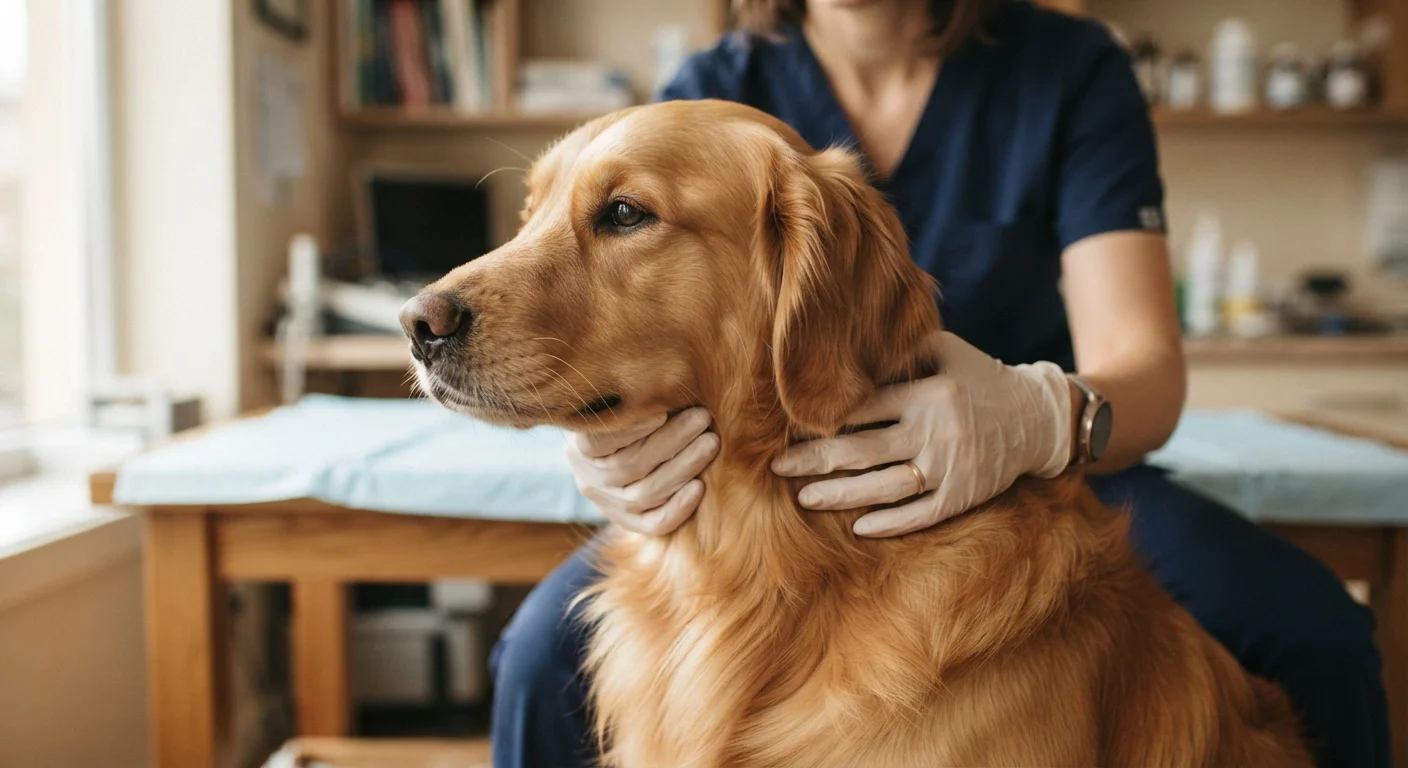
Changes in your pet's coat or skin often reflect what's happening internally. Learn which signs matter and what they can point to.
Key takeaways
- Dull, brittle, or thinning coat often points to nutritional gaps or an underlying health condition.
- Persistent scratching, flaking, or redness warrants a veterinary evaluation, not just a change in shampoo.
- Hormonal disorders like hypothyroidism can cause symmetrical hair loss without obvious itching.
- Skin and coat changes are most useful as a signal to investigate further, not to self-diagnose.
- Regular at-home coat checks help owners catch changes early and track patterns over time.
What the coat actually reflects
Hair follicles are metabolically active structures that respond quickly to changes in the body's internal environment. Protein, fatty acids, zinc, and B vitamins are all required to produce healthy hair. When the body is under stress, fighting disease, or running low on a nutrient, it diverts resources away from the coat because hair growth is not essential for survival.
This makes the coat a useful but indirect indicator. A dog with a gleaming, dense coat is not necessarily disease-free, but a pet whose coat has noticeably deteriorated over weeks or months has usually experienced a real internal shift worth investigating.
Coat quality also changes with life stage. Puppies and kittens have softer coats that transition with maturity. Senior pets often show a gradual coarsening or thinning that can be normal aging, though it still warrants monitoring to separate age-related change from treatable disease.
Specific changes and what they can point to
Not every coat or skin change has the same significance. The pattern, location, and accompanying signs help narrow the possibilities.
- Symmetrical hair loss on the flanks or tail base is a pattern associated with hormonal imbalances, particularly hypothyroidism in dogs and hyperadrenocorticism (Cushing's disease). Both conditions alter the hair growth cycle.
- Diffuse dullness and brittleness often reflects dietary fat or protein that is insufficient for the pet's needs, or a digestive condition that limits absorption even when the diet looks adequate on paper.
- Red, itchy skin with secondary crusting is a common sign of allergic disease, flea infestation, or a skin infection caused by bacteria or yeast. These conditions frequently overlap.
- Greasiness and odor can indicate seborrhea, a condition where the skin's oil glands produce too much or too little sebum. It can be primary (inherited) or secondary to another disease.
- Patchy, moth-eaten hair loss with or without inflammation may suggest ringworm (a fungal infection, despite the name), mange mites, or immune-mediated disease.
Coat changes alongside other symptoms
Skin and coat findings are most useful when considered alongside the pet's overall picture: weight, energy, appetite, and thirst. A coat change in isolation may resolve on its own, but the same change paired with systemic signs raises the clinical priority considerably. Always mention any accompanying symptoms when you contact your veterinarian.
Coat changes paired with other signs, such as increased thirst, weight changes, or lethargy, are higher priority. Tracking your pet's body condition alongside coat monitoring gives a more complete picture of overall health.
The role of nutrition in coat health
Diet is one of the most direct levers owners have. Omega-3 and omega-6 fatty acids support the skin's barrier function and give the coat its shine. Protein provides the amino acids (especially cysteine and methionine) that make up hair structure. Without adequate amounts of either, the coat degrades even in an otherwise healthy animal.
Pets on complete and balanced commercial diets formulated to meet established nutritional standards usually get what they need. Problems arise with homemade diets that lack professional formulation, very low-quality commercial foods, or in pets whose gastrointestinal disease prevents proper nutrient absorption.
Supplementing fatty acids is common in veterinary practice for skin conditions, but supplementation without identifying the underlying issue can mask a problem rather than resolve it. A veterinarian or veterinary nutritionist is the right resource before adding supplements to a pet's diet.
When to contact a veterinarian
A single instance of mild flaking after a bath or a brief period of heavier shedding during a season change generally does not require urgent attention. The following patterns do warrant a call to your vet:
- Hair loss that covers a notable area or progresses over two to four weeks
- Skin that is persistently red, warm to the touch, or has visible sores or crusting
- Scratching, licking, or chewing that disrupts the pet's normal activity or sleep
- Any new lumps, thickenings, or skin color changes
- Coat changes appearing alongside shifts in weight, appetite, thirst, or energy
Documenting changes with photos and noting when they started helps the veterinarian considerably. A visual timeline of a skin problem is more useful than a general description of "looking off" for a few months.
This article is for general informational purposes only and is not a substitute for veterinary advice. If your pet is showing signs of illness, consult a licensed veterinarian for an accurate diagnosis and appropriate care.
Frequently Asked Questions
The content on this site is for informational purposes only and is not a substitute for professional advice. Always consult a qualified professional for guidance specific to your situation.