
Senior Pet Care: How Health Needs Shift as Your Animal Gets Older

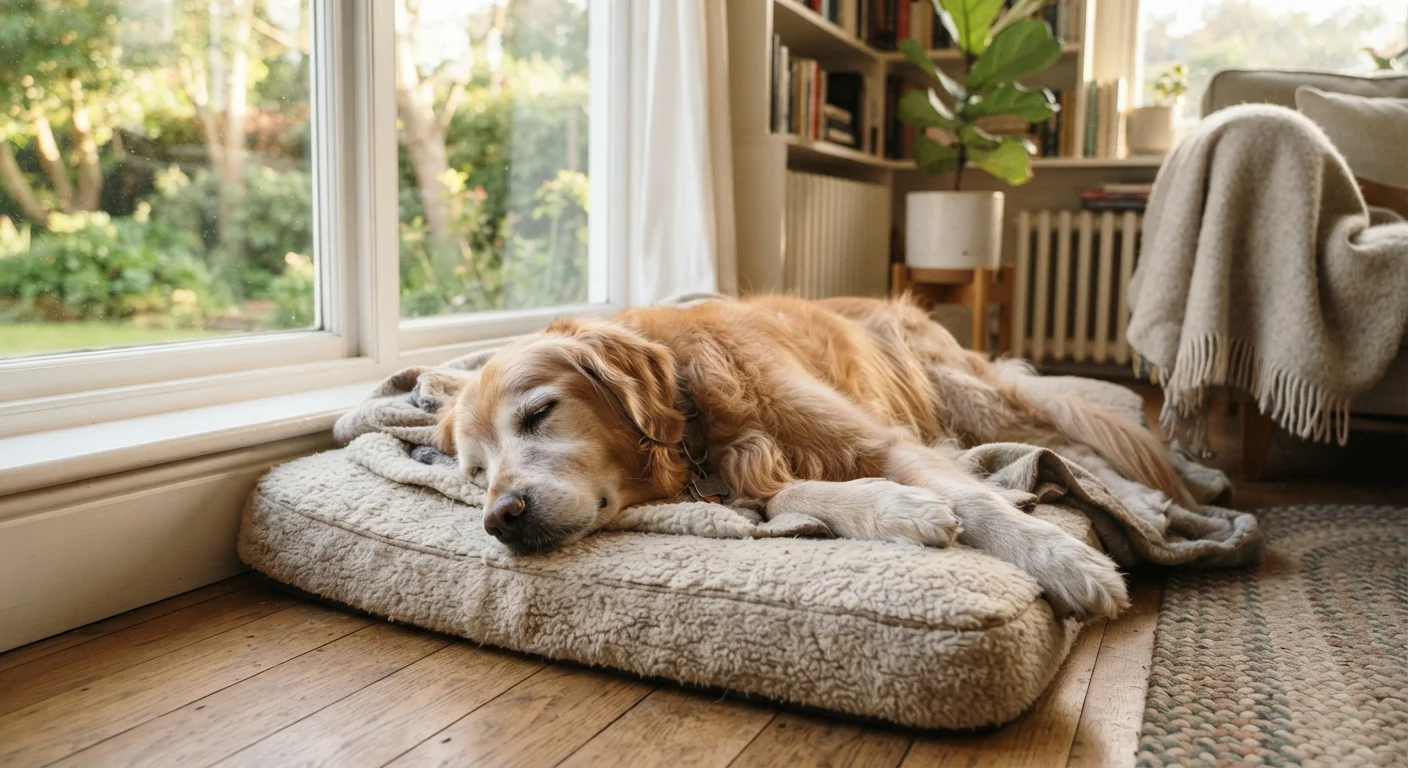
Ageing pets require a different approach to diet, exercise, and vet monitoring. Learn what changes to expect and how to support older animals well.
Key takeaways
- Dogs and cats are generally considered senior at age 7, though large dog breeds age faster.
- Twice-yearly vet visits replace annual ones for senior pets to catch problems earlier.
- Caloric needs typically decrease with age, but protein quality often matters more than before.
- Mental stimulation remains important even as physical activity slows down.
- Many age-related conditions are manageable when caught early through regular screening.
When does a pet become a senior?
The threshold varies by species and size. Veterinary guidelines generally place dogs and cats in the senior category around age 7. However, large and giant dog breeds, such as Great Danes or Saint Bernards, enter their senior years closer to age 5 or 6 because their bodies age faster. Small dog breeds and cats tend to have longer lifespans and may not show age-related changes until their mid-to-late single digits.
Understanding where your pet falls on that spectrum helps you time the shift in care. Compare this with how different a newly adopted animal's needs are by reading our new pet care checklist, which illustrates just how much routine changes across a pet's life.
How the body changes with age
Several physical systems slow or shift in senior pets. Metabolism drops, which means the same food portions that maintained a healthy weight at age 4 may lead to weight gain at age 9. Kidney and liver function can decline gradually, affecting how the body processes nutrients and medications. Joints accumulate wear, and arthritis is common in both older dogs and cats, even when pets hide discomfort well.
Dental disease progresses over years and can affect organ health if bacteria enter the bloodstream through inflamed gum tissue. Eyesight and hearing may dull, and immune response becomes less robust, making some infections harder to fight off. These changes do not happen all at once, and many animals remain active and comfortable well into their senior years with attentive care.
Pain in older pets is often hidden
Cats in particular rarely vocalize pain from arthritis or dental disease. Watch for behavioral clues: reduced grooming, reluctance to jump, withdrawal, or changes in appetite. A pet that seems 'just slowing down' may be managing significant discomfort. Bring any behavioral change to your vet's attention rather than assuming it is normal aging.
Nutrition adjustments for older animals
Caloric needs typically fall as activity levels drop, but the nutritional picture is not simply about feeding less. Senior pets often benefit from food that is easier to digest, with high-quality protein to support muscle mass. Muscle loss (called sarcopenia) is a real concern in aging animals, and inadequate protein accelerates it.
Some senior pets develop conditions that require specific dietary management. Kidney disease, for example, may call for phosphorus restriction; a vet should guide any therapeutic diet change. Consult your veterinarian before switching to a senior formula, because not every older animal needs one, and the wrong formulation can create imbalances. The feeding schedule guide across life stages covers how meal frequency and portion size shift from puppyhood through the senior years.
Exercise: less intensity, not less movement
Older pets still need regular physical activity. For dogs, shorter, more frequent walks often work better than one long outing that strains arthritic joints. Swimming is a low-impact option many dogs tolerate well when joints are sore. Cats benefit from gentle interactive play that keeps them moving without jumping from heights that could stress aging hips or knees.
Watch for signs that your pet has done too much: limping that persists after rest, reluctance to rise the next morning, or labored breathing after mild effort. Those signs warrant a vet check rather than pushing through. Gradual adjustment, not sudden rest, is the general approach when a senior pet slows down.
Veterinary monitoring in the senior years
Annual visits are standard for adult pets, but most veterinarians recommend moving to twice-yearly exams once a pet reaches senior status. The reasoning is straightforward: conditions such as kidney disease, hyperthyroidism in cats, or early-stage cancer can progress significantly within six months. Catching changes sooner gives more treatment options.
Senior wellness panels typically include blood work, a urinalysis, blood pressure measurement, and sometimes X-rays or abdominal ultrasound. These are screening tools, not confirmations of illness. Staying current on core and non-core vaccine schedules also matters, because immune function changes with age and your vet may adjust the vaccination plan accordingly. Know which symptoms should prompt an immediate call: the emergency symptom guide covers signs that cannot wait for a routine appointment.
Behavioural and cognitive changes
Cognitive dysfunction syndrome (CDS) in dogs and cats resembles aspects of dementia. Affected animals may seem disoriented, vocalize more at night, forget house-training, or lose interest in interactions they once enjoyed. CDS is diagnosed by a veterinarian after ruling out other causes such as pain, hypothyroidism, or vision loss.
Mental engagement helps maintain cognitive function. Puzzle feeders, short training sessions using familiar commands, and regular social interaction all contribute. If behavioral changes appear suddenly rather than gradually, schedule a vet visit promptly; sudden shifts often have a medical explanation rather than a purely age-related one.
Keep a simple monthly log of your senior pet's weight, appetite, and mobility. A gradual 10% weight change over two months is much easier to spot in a written record than by memory alone.
Weight change is one of the earliest visible signs of several serious conditions in older animals, including kidney disease, hyperthyroidism in cats, and cancer.
When your senior pet starts a new medication, ask your vet whether follow-up bloodwork is needed to monitor organ response. Many drugs are processed by the kidneys or liver, and those organs may work differently in an older animal.
Dosing that is appropriate for a young adult animal can sometimes be too high for a senior pet with reduced organ function.
Home environment adjustments
Small physical changes at home can improve daily comfort for a senior pet. Orthopedic beds reduce joint pressure during sleep. Non-slip mats on hardwood floors help dogs with weakened hindquarters navigate safely. Raised food and water bowls can ease neck strain in larger dogs with arthritis. For cats, a litter box with lower sides removes the need to step over a tall edge when hips are stiff.
Ramps or steps to reach furniture are worth considering if your pet has always slept on the couch or bed but now struggles to jump. These are practical, low-cost adaptations that maintain quality of life without requiring medication or major lifestyle changes. Small modifications, applied consistently, make a measurable difference in an older animal's day-to-day comfort.
This article is for general informational purposes only and does not constitute veterinary advice. Always consult a licensed veterinarian for guidance specific to your pet's health and medical history.
The content on this site is for informational purposes only and is not a substitute for professional advice. Always consult a qualified professional for guidance specific to your situation.