
Puppy Socialization: The Critical Window and How to Use It Well

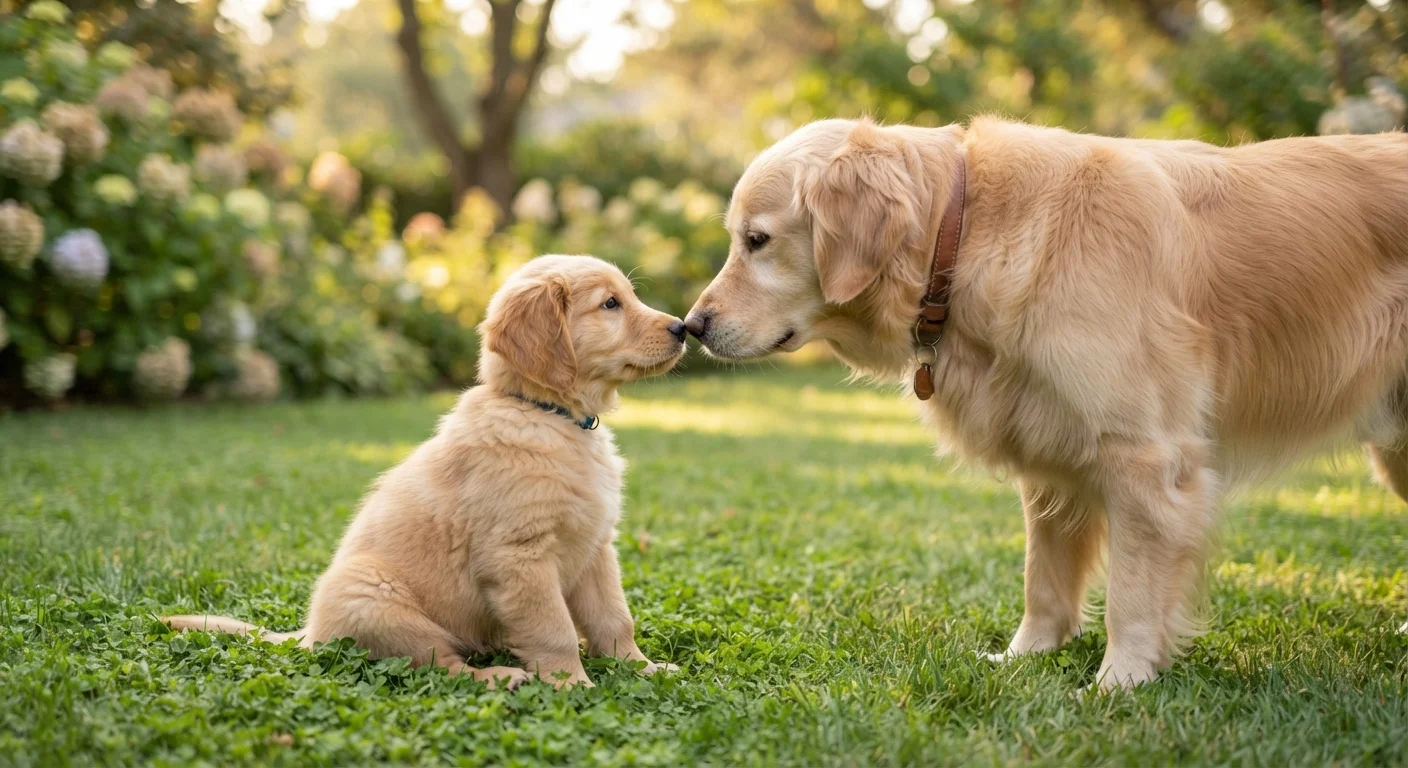
The early weeks of a puppy's life shape its responses to the world for years. Understand the socialization window and how to navigate it thoughtfully.
Start here
What the socialization window actually is
Next
What to expose your puppy to, and how
Then
Keeping exposures positive
Watch out for
Common mistakes and how to avoid them
Looking ahead
After the window closes
Key takeaways
- The primary socialization window in puppies runs from roughly 3 to 14 weeks of age.
- Positive, low-stress exposure to people, animals, sounds, and environments during this period builds lasting confidence.
- Flooding a puppy with too much too fast can cause fear rather than familiarity.
- Vaccination status affects which public spaces are safe; consult your veterinarian before outings.
- Socialization does not stop when the window closes, but habits formed early are harder to change later.
What the socialization window actually is
Between approximately 3 and 14 weeks of age, a puppy's brain is wired to accept new experiences as normal parts of the world. Neurologically, this period is marked by rapid synapse formation and a relatively low fear response to novelty. What a puppy encounters during this time tends to become its baseline for "safe" rather than "threatening."
The window does not snap shut at exactly 14 weeks. Fear responses gradually increase from around 8 weeks onward, meaning the window narrows rather than closes overnight. But the neurological openness that makes early socialization so effective does fade, and experiences introduced after 14 to 16 weeks require more repetition to achieve the same result.
Socialization window
A developmental period, roughly 3 to 14 weeks in puppies, when the brain is especially open to learning that new experiences are normal and safe.
Classical conditioning
A learning process in which an animal forms an association between two things that happen together, such as a new sound and a food reward.
Flooding
Exposing an animal to a frightening stimulus at full intensity with no option to retreat, which often increases fear rather than reducing it.
Threshold
The point at which a dog shifts from curious or calm to stressed or fearful; staying below threshold during exposures allows productive learning.
Desensitization
A gradual process of reducing a fear response by repeatedly exposing an animal to a mild version of the trigger at a level that does not cause stress.
Counter-conditioning
Changing an animal's emotional response to a trigger by pairing it with something positive, such as a high-value treat, so the trigger predicts good things.
Breeders carry much of the early responsibility. Puppies handled gently and exposed to household sounds, varied surfaces, and calm human contact from 3 to 8 weeks arrive at new homes with a head start. If you are choosing a puppy, asking about the breeder's early enrichment practices is a reasonable and informative question.
What to expose your puppy to, and how
The goal is variety across several categories: people (different ages, appearances, and gaits), other animals (calm, vaccinated dogs first), environments (different floor surfaces, outdoor terrain, urban sounds), handling (ears, paws, mouth, collar), and everyday objects (umbrellas opening, strollers, bicycles).
Structure each exposure so the puppy can approach at its own pace. Place the novel object on the floor and let the puppy investigate rather than moving the object toward the puppy. For people, ask them to crouch, avoid direct eye contact initially, and let the puppy come to them. Small food rewards immediately after the puppy approaches or investigates reinforce that the new thing predicts good outcomes.
For health-safe outings before vaccination is complete, being carried through a pet supply store or visiting a friend's clean backyard with a known, vaccinated dog are lower-risk options than a dog park. Your veterinarian can advise on which locations carry acceptable risk given your puppy's current vaccine status. For a broader picture of what to arrange in the early months, the first-90-day health checklist covers veterinary visits and vaccinations alongside socialization planning.
Keeping exposures positive
A neutral or mildly curious reaction from your puppy is a success. You do not need the puppy to run happily toward everything; calm investigation is enough. Watch for stress signals: yawning, lip licking, turning away, tail tucked low, or freezing. These tell you the puppy has reached its threshold and the session should end or the distance from the trigger should increase.
Watch your own body language
Puppies read human tension. If you tighten the leash or hold your breath when a bicycle passes, your puppy notices. Practice staying loose and neutral, and deliver the treat in a calm, matter-of-fact way. Your relaxed response is itself part of the message that the situation is manageable.
Pairing unfamiliar stimuli with small, high-value food rewards works because dogs associate what immediately precedes food with safety. This is classical conditioning in practical use. The timing matters: deliver the treat while the puppy is looking at or near the new thing, not after it has already looked away.
Keep initial sessions short. Five to ten minutes of active exposure is enough for a young puppy. Fatigue and overstimulation both interfere with learning. A quiet rest period after a socialization outing helps consolidate the experience.
Common mistakes and how to avoid them
Flooding is the most common error: taking a puppy to a loud, crowded event expecting exposure to do its work. When a puppy cannot escape a frightening stimulus, it learns that the world is unpredictable and unsafe. This can create lasting fear of the very things you meant to normalize.
A second mistake is over-relying on one context. A puppy that meets only the family's friends in the living room may still be wary of strangers in outdoor settings. Vary both the people and the locations so the puppy generalizes "strangers are generally safe" rather than "these specific people are safe."
A third mistake is waiting until the puppy "settles in." The window does not pause while the puppy adjusts to its new home. A brief settling period of two to three days is reasonable, but socialization should begin in the first week. For new owners building daily routines, the first-time dog owner daily care guide offers a practical framework for fitting socialization into a broader care schedule.
After the window closes
Ongoing exposure to varied people, places, and situations throughout adolescence (roughly 6 to 18 months) prevents backsliding. Dogs that were well socialized as puppies but then kept in a limited environment during adolescence can develop new fears. Regular, low-key outings maintain what was built early.
For dogs that show fear or aggression toward specific triggers, consult a certified professional trainer or veterinary behaviorist before the patterns become entrenched. The training session readiness checklist can help you set up productive work with your dog once you have professional guidance in place. Behavior modification takes longer after the sensitive period, but it is not impossible with consistent, science-backed methods.
This article provides general educational information about puppy development and is not a substitute for advice from a licensed veterinarian or certified animal behaviorist. Consult a qualified professional for guidance specific to your puppy's health status and individual needs.
Frequently Asked Questions
The content on this site is for informational purposes only and is not a substitute for professional advice. Always consult a qualified professional for guidance specific to your situation.