
Before Your Next Training Session: A Readiness Checklist

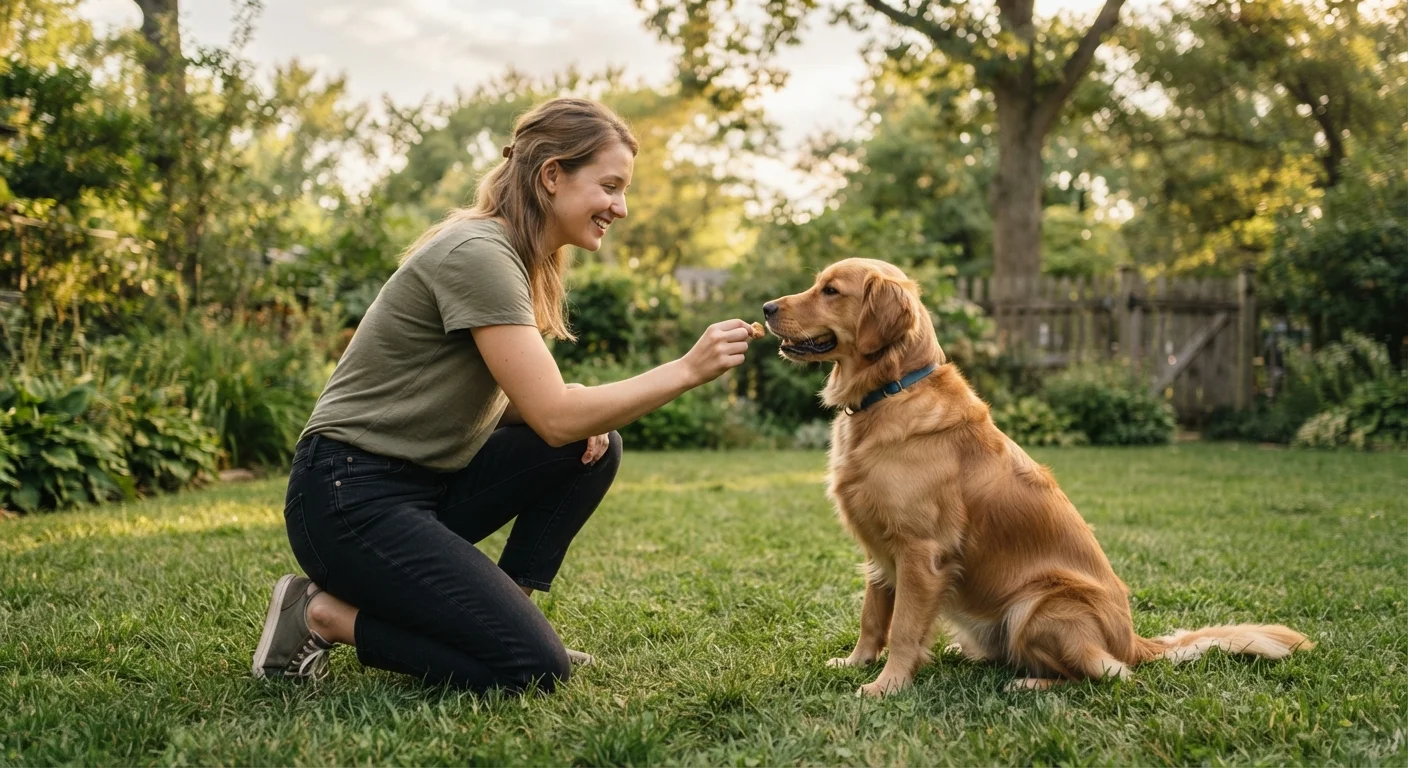
Get the most from every session by checking the key conditions that affect how well your pet can focus, learn, and retain new behaviors.
Summary
14 items · 5 to 10 minutes
Key takeaways
- A pet that is hungry, overstimulated, or unwell will struggle to retain new behaviors regardless of technique.
- Session length matters: most pets learn better in short bursts of 5 to 10 minutes than in long, exhausting blocks.
- Your own state going into a session affects the outcome, since animals respond to handler stress and impatience.
- Treats and tools should be ready before the session starts, not sourced mid-session.
- If your pet shows signs of illness or acute stress, postpone the session rather than push through.
Why readiness matters before you begin
Animal behavior research consistently shows that learning depends on the learner's internal state, not just the quality of the instruction. A dog, cat, or bird that is tired, anxious, or physically uncomfortable absorbs less information and makes more errors. Pushing through those conditions does not build resilience. It typically builds negative associations with the training environment itself.
This checklist covers the conditions on both sides: your pet's readiness and yours. Run through it before each session, including sessions you have done dozens of times before. For guidance on fitting training into a broader daily structure, see building a training routine your pet will actually stick to.
Your pet's physical state
Your pet's mental and emotional state
Your environment
Your own readiness
Using this checklist well
A "no" answer on any must item is a signal to pause. Reschedule rather than compromise the session. A missed session costs nothing. A session that ends in frustration can set back weeks of progress because the pet learns to associate the cue or the space with stress.
Illness is not a training obstacle to push past
If your pet is showing symptoms of illness, such as lethargy, vomiting, limping, or changes in appetite, cancel the session and contact your veterinarian. Training a sick animal is not only unproductive; it can mask symptoms that a professional needs to assess. Physical discomfort makes behavior look like disobedience, and correcting a pet for pain responses causes lasting damage to trust.
"Should" items are worth addressing when possible, but a single gap will not derail a session on its own. "Nice to have" items are genuine enhancements, particularly useful when you are introducing a new behavior for the first time or working with a pet that has a short attention window.
If your household runs multiple animals on different schedules, the daily routine guide for multi-pet households has practical approaches for sequencing training across species without creating conflict. For broader health considerations that affect training readiness, the Pet Health Basics hub covers foundational wellness topics.
This article is for general informational purposes only and is not a substitute for guidance from a licensed veterinarian or certified animal behavior professional. If your pet shows signs of illness, pain, or significant behavioral change, consult a qualified professional before continuing any training program.
The content on this site is for informational purposes only and is not a substitute for professional advice. Always consult a qualified professional for guidance specific to your situation.