
Everything First-Time Dog Owners Need to Know About Daily Care

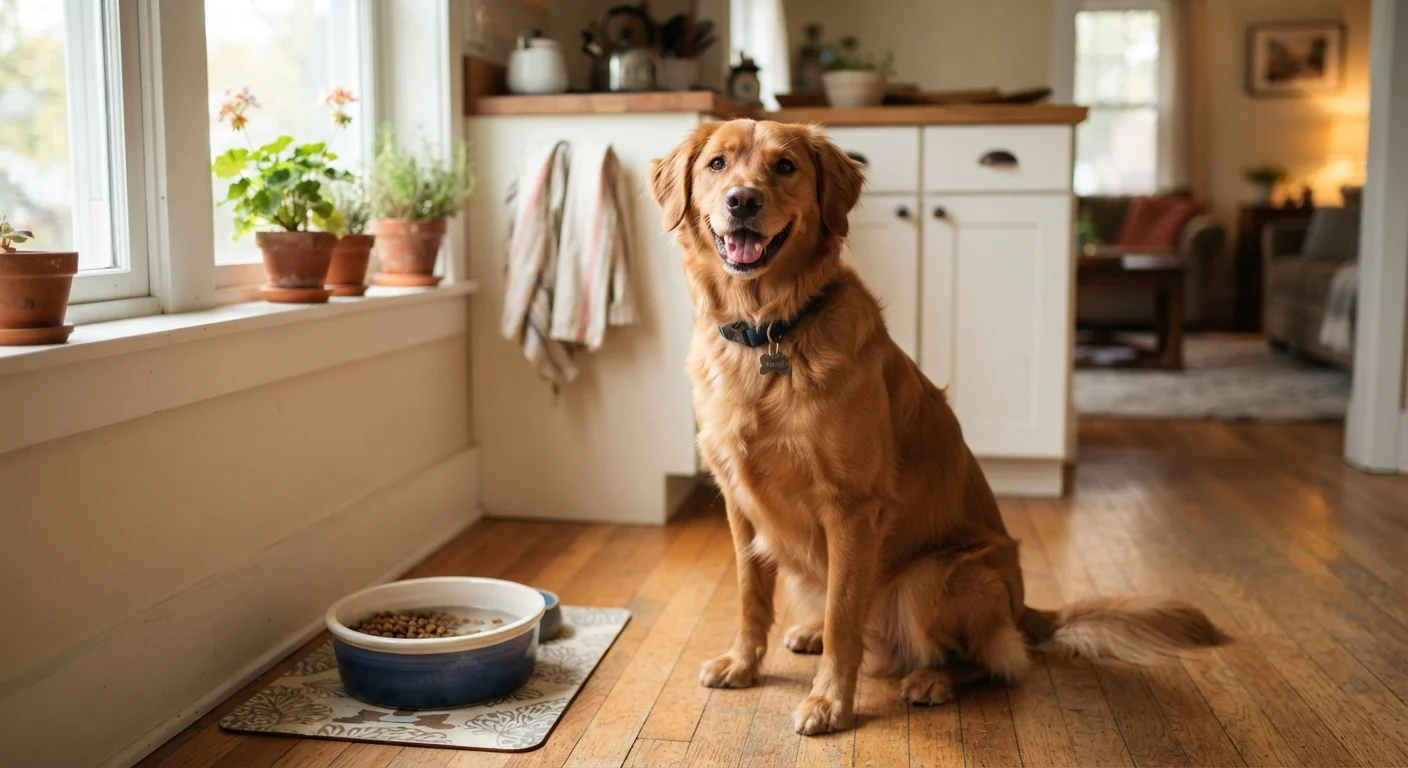
A comprehensive introduction to feeding, exercise, grooming, and vet care for adults welcoming a dog into their home for the first time.
Start here
Feeding: what to give and how often
Next
Exercise and mental stimulation
Then
Grooming basics for beginners
Important
Veterinary care in the first year
Bring it together
Building a daily routine that sticks
Key takeaways
- Feed adult dogs twice daily using portion sizes recommended by your veterinarian, adjusted for breed and weight.
- Most dogs need at least 30 minutes of physical activity per day, with mental stimulation on top of that.
- Brushing frequency depends on coat type; all dogs benefit from regular nail trims and ear checks.
- A vet visit within the first week of bringing a dog home sets the foundation for long-term health.
- Predictable daily schedules reduce anxiety in dogs and make care easier to sustain for owners.
Feeding: what to give and how often
Food choices feel overwhelming for first-time owners, but the decision comes down to a few clear questions: life stage, size, and any health conditions your vet identifies. Dog food labeled for puppies, adults, or seniors is formulated to meet the nutritional needs specific to each stage. A food that meets AAFCO (Association of American Feed Control Officials) nutritional standards will say so on the label, and that statement is a reliable minimum checkpoint.
Portion size matters as much as food type. Follow the feeding guidelines on the packaging as a starting point, then adjust based on your dog's body condition. You should be able to feel your dog's ribs without pressing hard, but they should not be visible. Two meals per day works well for most adult dogs. Puppies under six months generally need three to four smaller meals to support steady energy and digestion.
Fresh water should be available at all times. Change it daily and clean the bowl regularly to prevent bacterial buildup. Treats should make up no more than 10% of daily calorie intake to avoid unintentional weight gain.
Transition food gradually
If you are switching your dog from whatever food they ate before adoption, do it over seven to ten days by mixing increasing amounts of the new food into the old. An abrupt switch commonly causes digestive upset including vomiting or diarrhea. Ask your vet if your dog has a sensitive stomach or a known food intolerance.
Exercise and mental stimulation
Physical activity keeps a dog's weight in check and reduces behaviors that come from boredom or anxiety. The amount your dog needs depends on breed, age, and individual temperament. Terriers and herding breeds tend to need more activity than brachycephalic breeds like bulldogs, which tire quickly due to their airway structure.
A minimum of 30 minutes of moderate walking per day is a reasonable starting point for most healthy adult dogs. That can be split across two walks. Beyond physical movement, dogs benefit from activities that engage their problem-solving instincts: sniff-focused walks where they explore at their own pace, puzzle feeders, or training sessions that introduce new commands. Even 10 minutes of focused training counts as mental work.
Watch for signs of over-exercise in puppies. Because growth plates are still developing, high-impact repetitive activity like long runs on hard surfaces can cause joint problems. Your veterinarian can advise on appropriate activity levels for your dog's specific age and breed.
Grooming basics for beginners
Grooming is not only about appearance. Regular brushing removes dead hair and distributes skin oils, and it gives you a chance to spot lumps, skin irritation, or parasites early. How often you brush depends on coat type: short-coated breeds may need brushing once a week, while double-coated or long-haired dogs often need daily attention to prevent matting.
Nail trims are needed roughly every three to four weeks. Overgrown nails affect how a dog walks and can cause pain over time. If you can hear nails clicking on hard floors, it is time for a trim. Many owners find nail trimming stressful to do at home; a groomer or veterinary technician can handle it if needed.
Ear checks belong in the weekly routine. Lift the ear flap, look for redness or dark discharge, and note any unusual smell. These can be early signs of infection. Dogs with floppy ears are more prone to moisture buildup and infections than dogs with upright ears.
For a more detailed walkthrough of at-home techniques, see the step-by-step grooming guide covering brushing, bathing, nail trimming, and ear cleaning. A breakdown of which tools suit different coat types is available in the grooming tools overview.
Veterinary care in the first year
Schedule a wellness visit within the first week of bringing your dog home. The vet will conduct a full physical exam, check for internal and external parasites, review or start a vaccination schedule, and discuss heartworm prevention. This visit also gives you a chance to ask questions about feeding, behavior, and anything you noticed during the first few days.
Puppies need a series of vaccinations in the first few months, typically covering distemper, parvovirus, and rabies among others. Adult dogs need boosters on a schedule your vet will outline. Parasite prevention, including flea, tick, and heartworm products, is generally recommended year-round in most parts of the US, though the specific approach depends on your location and your dog's lifestyle.
For a structured checklist of everything to arrange in the first 90 days, the first-time pet owner health checklist walks through vet visits, vaccinations, and baseline care in order. The Pet Health Basics hub also covers ongoing wellness topics beyond that initial period.
This article provides general information for educational purposes and is not a substitute for veterinary advice. Always consult a licensed veterinarian for guidance specific to your dog's health needs.
Building a daily routine that sticks
Dogs adapt better when their environment is predictable. Meals, walks, and sleep times at consistent hours reduce anxiety and make house-training faster. A simple structure, such as a morning walk before breakfast, a midday bathroom break, and an evening walk before dinner, gives your dog clear expectations without requiring a rigid schedule.
The first week is often the hardest. Your dog is adjusting to a new environment, new smells, and new people. The new pet first week care checklist offers a day-by-day breakdown of feeding schedules, vet visits, and settling-in routines that can help you stay organized during that transition.
If you share your home with other pets, managing separate feeding stations, exercise windows, and grooming schedules adds a layer of complexity. The guide to daily routines in multi-pet households addresses how to structure those competing needs without constant juggling.
Consistency across all areas, feeding, exercise, grooming, and vet care, produces a calmer, healthier dog and a more manageable daily experience for you.
Frequently Asked Questions
The content on this site is for informational purposes only and is not a substitute for professional advice. Always consult a qualified professional for guidance specific to your situation.