
Decoding Your Pet's Body Language: Signs of Discomfort Owners Often Miss

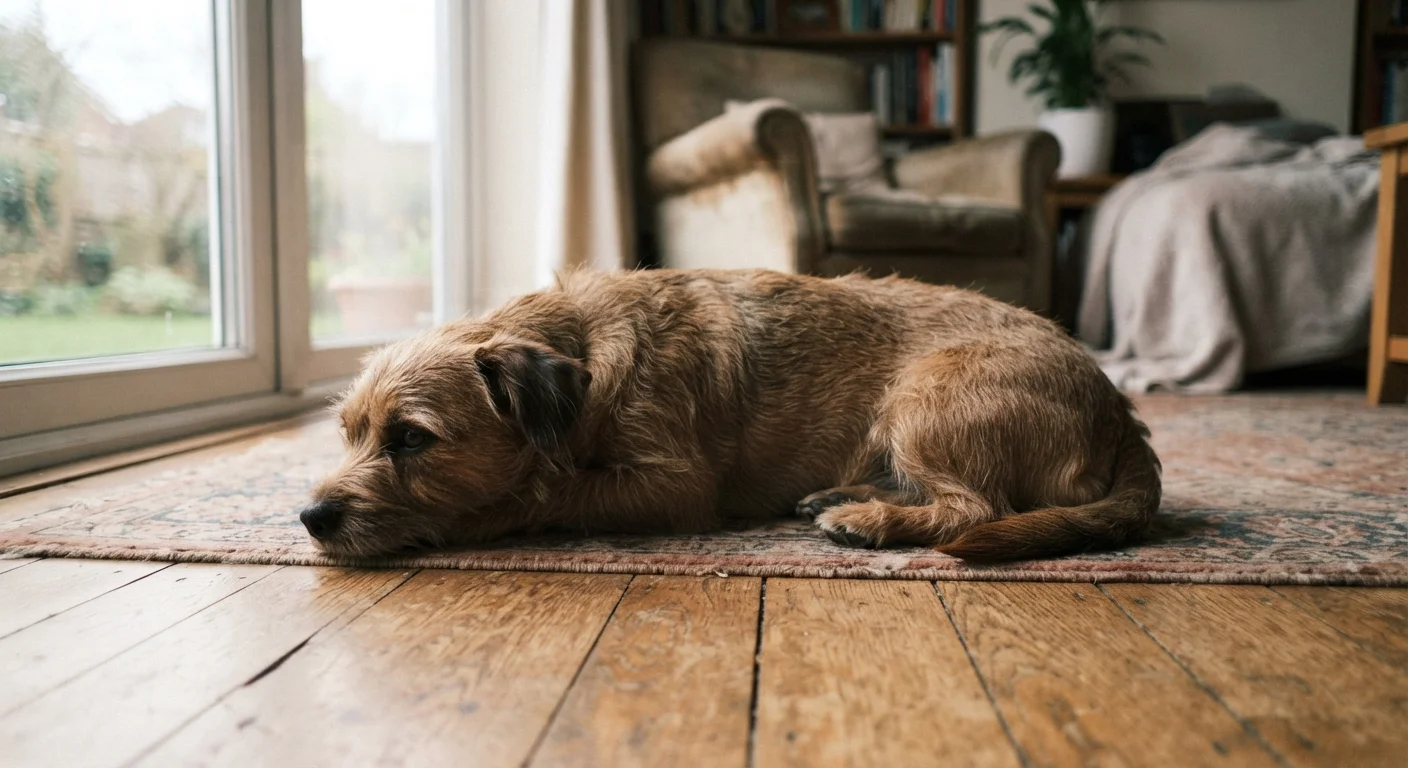
Pets rarely show pain the way we expect. Learn the subtle postures, behaviours, and signals that suggest your animal may be unwell or stressed.
Key takeaways
- Pets frequently hide pain or stress through small behavioral shifts rather than obvious distress signals.
- Lip licking, yawning, and whale eye in dogs are calming signals that often indicate anxiety or discomfort.
- Cats that hide, stop grooming, or sit hunched are often unwell rather than simply independent.
- Changes in eating, drinking, or elimination habits can be early indicators of health problems.
- A single sign may mean little, but clusters of subtle signals warrant a veterinary check.
Why pets don't show pain the way we expect
Animals evolved to conceal vulnerability. In the wild, visible weakness attracts predators, so many species suppress outward signs of pain or fear until symptoms become impossible to mask. Domestic pets carry the same instincts, which means a cat or dog may be genuinely unwell while appearing calm or simply "quiet."
Most owners watch for limping, whimpering, or vomiting because those are hard to miss. The signals that arrive earlier are quieter: a slight change in posture, a repeated behavior out of context, or a preference for being left alone. Learning to read those earlier signals gives you more time to act and more information to share with your veterinarian.
This article is for general informational purposes and is not a substitute for veterinary advice. If you notice several of the signs below together, or if any symptom is severe or worsening, contact your vet promptly. For urgent warning signs, see our guide on symptoms that need same-day veterinary attention.
Repeated lip licking and nose licking outside of mealtimes
Dogs lick their lips after eating, but when licking happens repeatedly with no food involved, it often signals nausea, anxiety, or oral discomfort. Veterinary behaviorists classify this as an appeasement or calming signal: the dog uses it to communicate that a situation feels threatening or overwhelming.
Watch for it during car rides, at the vet clinic, during handling, or in any new environment. Consistent lip licking at home with no obvious trigger is worth noting, because it can also accompany gastrointestinal upset or dental pain.
Lip licking with no food present is a recognized calming signal, not a random habit.
Whale eye and a stiff, still body
"Whale eye" describes the visible white of a dog's eye (the sclera) when the dog turns its head slightly away while keeping its gaze fixed on something. It usually appears alongside a tense, motionless body and a closed mouth. Together, these signals suggest the animal is uncomfortable and feels it cannot leave the situation.
This posture is commonly misread as the dog being focused or attentive. In practice it often precedes a growl or snap if the stressor is not removed. Recognizing it early gives you the chance to change the situation before the dog feels it has no other option.
A still body combined with whale eye is a warning, not a sign of calm attentiveness.
Excessive grooming or sudden grooming gaps in cats
Cats groom themselves regularly, but the pattern matters. A cat that licks one spot until the fur thins may have localized pain, a skin condition, or anxiety. Conversely, a cat that abruptly stops grooming, leaving a coat that looks greasy or matted, is often physically unwell: grooming requires flexibility and energy, and pain (especially in the joints or abdomen) can make it too difficult.
Senior cats are especially prone to grooming changes as mobility decreases with age. If the coat condition changes noticeably over a few weeks and there has been no change in diet or environment, a veterinary exam is the appropriate next step.
A sudden drop in grooming often signals pain, not laziness or a personality shift.
Hiding or seeking unusual isolation
Both dogs and cats may withdraw when they feel unwell. Cats that suddenly spend long stretches under a bed or inside a closet, particularly if they previously sought company, are often communicating discomfort. Dogs may move to a corner, face the wall, or stop engaging with household activities they normally join.
Hiding is a natural instinct when an animal feels vulnerable. It is not a sign of independence or moodiness. If a pet that usually greets you at the door or joins you on the couch begins consistently avoiding contact, take it seriously rather than assuming a phase.
Consistent withdrawal from normal social routines often points to physical discomfort.
Changes in posture: hunching, guarding, or shifting weight
An animal in pain frequently adjusts its posture to protect the affected area. A hunched back in a cat suggests abdominal or spinal discomfort. A dog that repeatedly shifts its weight, refuses to sit squarely, or stands with its rear legs spread wider than usual may have hip, joint, or paw pain. Guarding behavior includes pulling away when a specific body part is touched, even gently.
These postural changes are easy to overlook because they develop gradually. Comparing how a pet moves and stands today against how it moved six months ago can reveal shifts that are invisible on any single day of observation.
Postural guarding is a direct, physical attempt to protect a painful area from further contact.
Alterations in eating, drinking, or elimination
A pet that suddenly eats much less, eats far more, drinks noticeably more water, or changes where or how it uses its litter box or outdoor bathroom routine is giving you measurable data. These shifts are among the more reliable early indicators of underlying health changes, including kidney disease, diabetes, dental pain, or gastrointestinal issues.
Tracking baseline habits makes deviations obvious. Knowing roughly how much water your dog drinks in a day, for example, means you will notice when that doubles. You do not need precise measurements: consistent casual observation builds a useful reference point over time.
Tracking normal habits makes it far easier to spot meaningful changes before they worsen.
Putting the signals together
Individual signals can occur in isolation and mean nothing. A dog that yawns once after a nap is not stressed. A cat that skips a meal on a hot afternoon may simply be less hungry. Context matters: how long has the behavior been present, how often does it happen, and has anything changed in the environment recently?
When two or more of the signals below appear together, or when a single signal persists for more than a day or two, treat it as a prompt to schedule a veterinary visit rather than a reason to wait and see. Stress and discomfort that go unaddressed can also interfere with a pet's ability to function normally day to day. Our article on how stress and fear affect a pet's ability to learn explains some of the broader behavioral consequences worth knowing.
Keep a simple behavior log
A short daily note about appetite, water intake, activity level, and any unusual behavior gives your veterinarian far more useful information than a general sense that something seems off. Even a week of notes before an appointment can help narrow a diagnosis significantly. Photos or short phone videos of abnormal postures or movements are also valuable.
This article provides general educational information about animal behavior and is not veterinary medical advice. Always consult a licensed veterinarian for concerns about your pet's health.
The content on this site is for informational purposes only and is not a substitute for professional advice. Always consult a qualified professional for guidance specific to your situation.