
Recognising an Emergency: Pet Symptoms That Need Same-Day Veterinary Attention

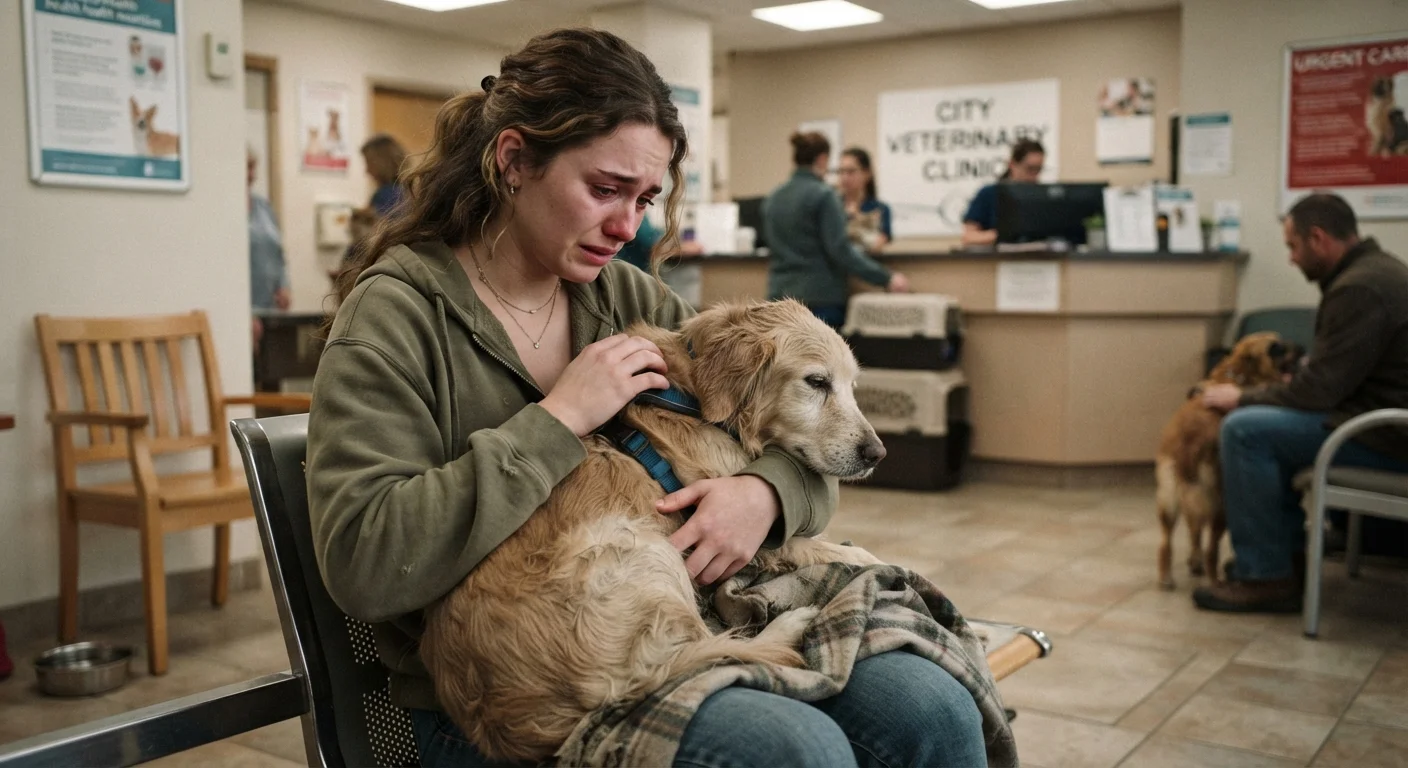
Some symptoms can't wait for a routine appointment. This reference guide covers the warning signs that warrant urgent veterinary care.
Why timing matters in pet emergencies
A pet that was eating normally at breakfast can be in serious distress by afternoon. The gap between noticing something wrong and getting professional care can determine whether a condition stays manageable or becomes life-threatening. This guide lists the specific symptoms that warrant a same-day call or visit to your veterinarian, not a wait-and-see approach.
Unlike subtle discomfort signals (covered in our guide to reading your pet's body language), emergency symptoms are usually obvious. The challenge is not missing them when you are hoping things will resolve on their own.
This article is general health information for pet owners and is not a substitute for veterinary advice. If your animal is showing any of the symptoms below, contact a veterinarian or emergency animal clinic immediately.
| Call threshold | When in doubt, call your vet |
| Gum colour check | Healthy gums are pink and moist |
| Urinary blockage window | Life-threatening within hours in cats |
| Seizure rule | Any first seizure warrants same-day contact |
| Toxic ingestion | Act before symptoms appear |
| GDV risk breeds | Deep-chested dogs (e.g., Great Danes, German Shepherds) |
Symptoms that require immediate attention
Breathing problems
Any sign of laboured breathing, open-mouth breathing in cats, or rapid shallow panting in a resting dog is an emergency. Blue, white, or grey gums alongside breathing difficulty indicate oxygen deprivation and need same-day care without delay.
Collapse or inability to stand
A pet that suddenly collapses, cannot bear weight on all limbs, or falls repeatedly may have a neurological event, cardiac issue, or severe pain response. Do not wait for the animal to recover on its own.
Uncontrolled vomiting or diarrhea
One episode of vomiting is common. Three or more episodes within a few hours, vomiting blood, or diarrhea combined with lethargy or a distended abdomen all require same-day assessment. For more on what digestive symptoms can signal, see what loose stools and vomiting are trying to tell you.
Abdominal bloating or distension
A visibly swollen or hard abdomen, particularly in large- or deep-chested dog breeds, can indicate gastric dilatation-volvulus (GDV), a condition where the stomach twists. GDV is fatal without rapid surgical intervention.
Suspected ingestion of a toxic substance
If you have reason to believe your pet ate something toxic (common examples include grapes, xylitol, certain houseplants, rodenticides, or human medications), call your vet or an animal poison control line immediately. Do not wait for symptoms to appear.
Eye injuries or sudden vision changes
A cloudy eye, visible scratch on the eye surface, eye held shut, or sudden disorientation suggesting vision loss all need same-day evaluation. Eye tissue can deteriorate quickly.
Straining to urinate without producing urine
This symptom, especially in male cats, can signal a urinary blockage. A blocked bladder becomes life-threatening within hours.
Seizures
A first-ever seizure, a seizure lasting more than two minutes, or two or more seizures within 24 hours all require same-day veterinary contact. Note the duration and any preceding behavior to report to your vet.
What to do before you reach the vet
Keep your pet calm and warm. Avoid offering food or water unless your vet specifically advises it, since some conditions or upcoming procedures require an empty stomach. When you call the clinic, describe the main symptom, when it started, and any recent changes in diet, environment, or behavior. This information helps the care team prepare before you arrive.
If your pet is a senior animal, the threshold for acting quickly is lower. Older pets have less physiological reserve, and symptoms can escalate faster. Our guide to senior pet health needs explains how age changes the picture. For a broader foundation on health monitoring, the first 90 days health checklist is a useful reference regardless of how long you have owned pets.
The content on this site is for informational purposes only and is not a substitute for professional advice. Always consult a qualified professional for guidance specific to your situation.