
Gut Health and Digestion in Pets: What Loose Stools and Vomiting Are Trying to Tell You

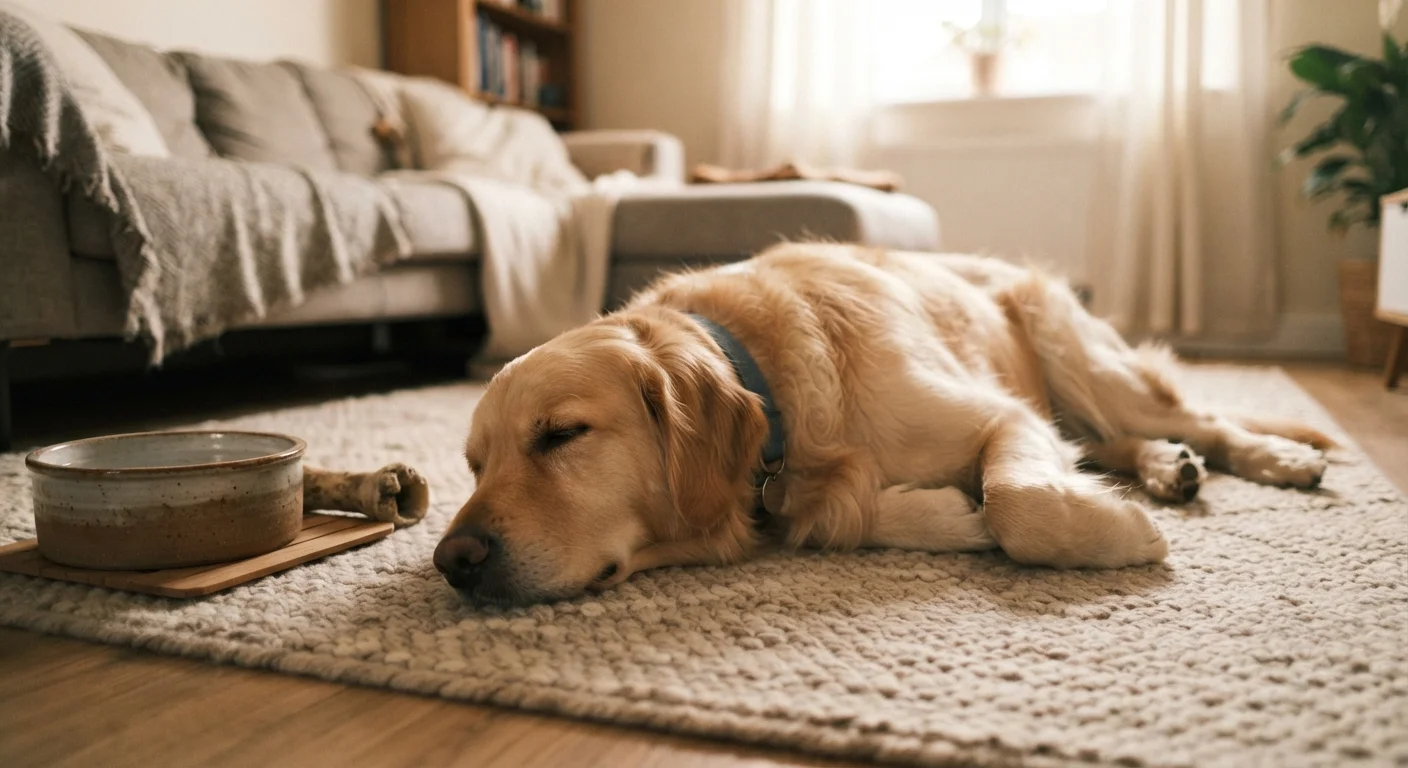
Digestive upsets are among the most common pet health complaints. Understand what different symptoms may indicate and when professional input is needed.
Key takeaways
- A single episode of vomiting or loose stool is common and often resolves on its own.
- Frequency, duration, and the presence of blood or mucus determine how urgent a symptom is.
- Diet changes, stress, and infections are among the most frequent triggers of digestive upset.
- Puppies, kittens, elderly pets, and animals with existing conditions need earlier veterinary attention.
- A veterinarian is the right resource for any symptom lasting more than 24 to 48 hours.
What normal digestion looks like
Before identifying a problem, it helps to know what healthy digestion looks like in a dog or cat. Healthy stool is firm, chocolate-brown in color, and easy to pick up without smearing. Cats typically defecate once or twice per day; dogs vary from once to three times depending on diet, size, and routine. Vomiting should be rare, and appetite should be consistent.
Coat condition, energy levels, and body weight are indirect signals of gut health. A pet whose digestive system absorbs nutrients efficiently tends to maintain a stable weight and a glossy coat. Changes in coat or skin can sometimes reflect what is happening in the digestive tract before other symptoms appear.
What loose stools are telling you
Loose or watery stools are not a diagnosis on their own. They are a symptom that can stem from many different causes, and the pattern matters more than a single episode.
Common triggers include:
- A sudden change in food or treats
- Eating something inappropriate, such as garbage or a foreign material
- Bacterial or parasitic infections
- Stress or environmental change
- Antibiotic use, which can disrupt the gut microbiome
One or two loose stools in an otherwise alert, normally eating pet often resolve within a day. Watch for stool that contains bright red blood, which can indicate lower intestinal bleeding, or dark, tarry stool, which may signal bleeding higher in the digestive tract. Either pattern needs same-day veterinary attention. Mucus in stool, especially when it occurs regularly, may point to large intestinal irritation, sometimes called colitis.
Keep a simple symptom log
When digestive symptoms appear, note the time, what the pet ate recently, stool consistency, and any behavioral changes. This information helps a veterinarian identify patterns quickly and reduces the time needed to reach a diagnosis. A phone photo of the stool can also be useful, however unpleasant that sounds.
What vomiting is telling you
Vomiting in pets falls into two broad patterns. Occasional regurgitation or vomiting of undigested food shortly after a meal is common and usually benign. Repeated vomiting, vomiting that contains bile or blood, or vomiting combined with a swollen abdomen or extreme lethargy is a different situation and needs prompt evaluation.
Dogs sometimes vomit yellow-tinged bile early in the morning when their stomach has been empty overnight. This is often called bilious vomiting syndrome and can sometimes be managed with feeding adjustments, but a veterinarian should confirm the diagnosis first. Cats who vomit frequently, even if owners consider it routine, may have underlying inflammatory bowel disease, hyperthyroidism, or other conditions worth investigating.
The subtle signs that a pet is uncomfortable often accompany digestive distress before vomiting begins. Hunching, lip-licking, and restlessness can appear before a vomiting episode and are worth noting when you describe symptoms to a vet.
When digestive symptoms need veterinary attention
Timing and context determine urgency. A healthy adult cat or dog with one loose stool and normal behavior can be observed at home. The following situations call for a veterinary visit without delay:
- Diarrhea or vomiting lasting more than 24 to 48 hours
- Blood visible in stool or vomit
- Signs of dehydration such as sunken eyes, dry gums, or skin that does not spring back when gently pinched
- Abdominal bloating combined with unproductive retching, which can indicate a life-threatening condition called gastric dilatation-volvulus in dogs
- Any digestive symptoms in a puppy, kitten, elderly pet, or one with a pre-existing health condition
Parasites such as Giardia or roundworms are a common cause of persistent diarrhea, especially in younger animals or those with outdoor exposure. A fecal test at your veterinary clinic can identify these quickly. Several preventable conditions including intestinal parasites are caught early through routine checkups.
Food transitions matter more than many owners realize
Switching a pet's food abruptly is a frequent cause of preventable digestive upset. Even changing within the same brand or protein type can disrupt gut bacteria. The routine care guidance for feeding recommends a gradual switchover rather than an overnight change.
This article is for general informational purposes and is not a substitute for professional veterinary advice. Always consult a licensed veterinarian for concerns about your pet's health.
Frequently Asked Questions
The content on this site is for informational purposes only and is not a substitute for professional advice. Always consult a qualified professional for guidance specific to your situation.