
Building a Training Routine Your Pet Will Actually Stick To

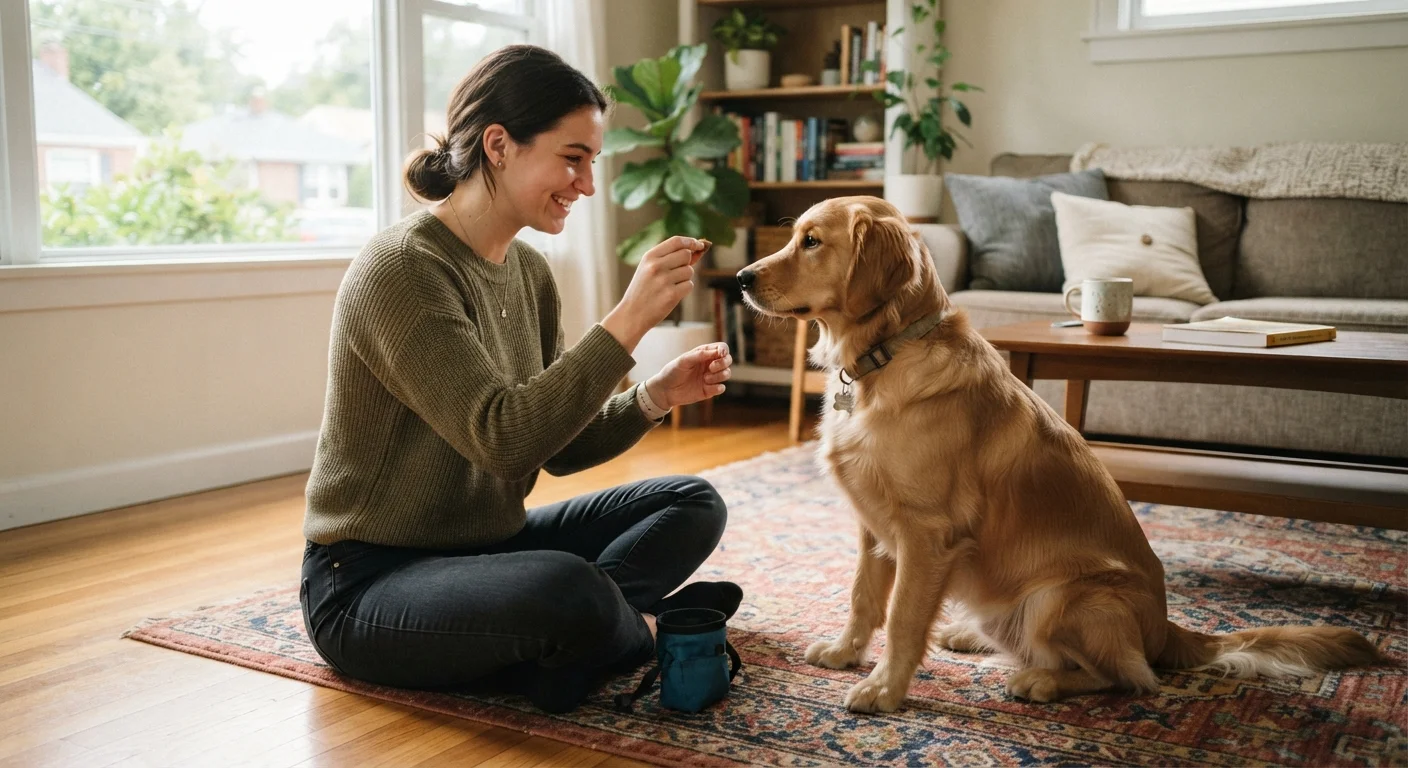
Consistency is the backbone of behavior change. Learn how to structure short, effective sessions that fit your schedule and your pet's attention span.
Key takeaways
- Sessions of 5 to 10 minutes work better than long ones for most pets.
- Consistency across time of day and location helps pets generalize new behaviors faster.
- Reward timing matters as much as the reward itself when shaping behavior.
- Attaching training to an existing daily habit makes it easier to maintain.
- Progress stalls when sessions are too long, too infrequent, or too unpredictable.
Why routine beats effort in pet training
Most pet owners who struggle with training do not lack motivation. They lack a reliable structure. A dog that sits reliably on cue or a cat that comes when called did not get there through occasional marathon sessions. Those behaviors solidified through short, repeated practice spread across days and weeks.
Animal learning research consistently shows that spaced repetition, meaning practice distributed over time rather than massed in one sitting, produces stronger retention. This applies to dogs, cats, birds, and many other companion animals. The practical takeaway: five minutes once or twice a day outperforms a 30-minute session held whenever you find time.
Before you can build a sustainable routine, it helps to understand what your pet brings to each session. Energy level, hunger, and environment all affect how well an animal can focus and retain information. See our readiness checklist for the conditions worth checking before you start.
Keep sessions short enough to end well
The goal of each session is to finish while your pet is still succeeding and engaged. A pet that ends a session on a correct, rewarded response is more likely to approach the next session with enthusiasm. When in doubt, cut the session short rather than push for one more repetition.
What you need before you begin
A training routine does not require special equipment, but a few basics make each session more productive and consistent.
High-value treats
Small, soft, pea-sized pieces your pet finds genuinely motivating work better than their regular kibble for teaching new behaviors.
Clicker or verbal marker
A consistent signal that tells your pet exactly which action earned the reward, improving the precision of reinforcement.
Treat pouch
Keeps rewards accessible during the session so you can deliver them within 1 to 2 seconds of the correct behavior.
Timer
Helps you stick to a planned session length without guessing, preventing sessions from running too long.
Cats respond to training differently than dogs do. Their motivation is often more situational, and sessions typically need to be shorter. If you train a cat, our article on what actually works for feline learners covers species-specific approaches worth reading alongside this guide.
How to build the routine step by step
Follow these steps to create a training schedule your pet can adapt to and you can realistically maintain.
Pick a fixed time and attach it to an existing habit
Choose one or two daily windows for training and tie them to something you already do consistently, such as right after your morning coffee or immediately after your pet's evening meal. Linking training to an established habit removes the mental load of deciding when to do it.
Set a session length your pet can handle
Start with 5-minute sessions. For puppies, kittens, and senior animals, even 3 minutes may be enough. Watch for signs of disengagement: sniffing the ground, looking away, or offering random behaviors. These signal your pet has reached their limit for that session. As attention span grows with practice, you can extend to 10 minutes if the animal remains engaged.
Choose one behavior per session
Pick a single cue or skill to work on during each session. Trying to cycle through multiple behaviors in one sitting fragments attention and slows learning for both you and your pet. Once a behavior reaches around 80 percent reliability, you can introduce a new one while continuing to maintain the first with occasional practice.
Use a consistent cue and marker signal
Say the cue the same way every time, same word, same tone, same hand signal if you use one. Immediately mark the correct response with a clicker click or a short verbal marker such as "yes," then deliver the reward within 1 to 2 seconds. Inconsistent markers confuse the animal about exactly which action earned the reward. For a comparison of marker options, see clicker training vs. verbal markers.
Track progress simply
After each session, note on paper or in a phone note what you practiced, roughly how many repetitions you completed, and your pet's approximate success rate. You do not need a formal log. Even a one-line entry helps you spot when progress has plateaued, when you increased difficulty too fast, or when a particular time of day produces better results than another.
Common reasons routines collapse and how to prevent them
Even well-designed routines break down. The three patterns that derail most pet training schedules are sessions that run too long, skipping too many days in a row, and changing too many variables at once.
When sessions run long, animals disengage and sometimes start making errors simply from fatigue. If your pet starts offering incorrect behaviors or ignoring cues near the end of a session, that is a clear signal to stop sooner. End while your pet is still succeeding.
Missing two or three days occasionally will not erase progress, but missing a week or more regularly slows acquisition of new behaviors. If your schedule is unpredictable, anchor training to something that does not change, such as the minutes immediately after feeding. Our guide on managing daily routines across multiple pets shows how to slot training into an already complex household schedule.
Changing cues, reward types, and locations simultaneously makes it hard to isolate what is causing confusion. Adjust one variable at a time when progress stalls.
Understanding how reward timing and frequency affect behavior gives you more precise tools for troubleshooting. The article on reinforcement schedules and fading treats explains when and how to adjust what you offer as your pet gets more reliable.
This article provides general pet training information and does not substitute for guidance from a certified veterinary behaviorist or credentialed professional trainer, particularly for pets showing fear, aggression, or anxiety-related behaviors.
The content on this site is for informational purposes only and is not a substitute for professional advice. Always consult a qualified professional for guidance specific to your situation.