
Vaccines Your Pet Needs: Core vs Non-Core Immunisations Explained

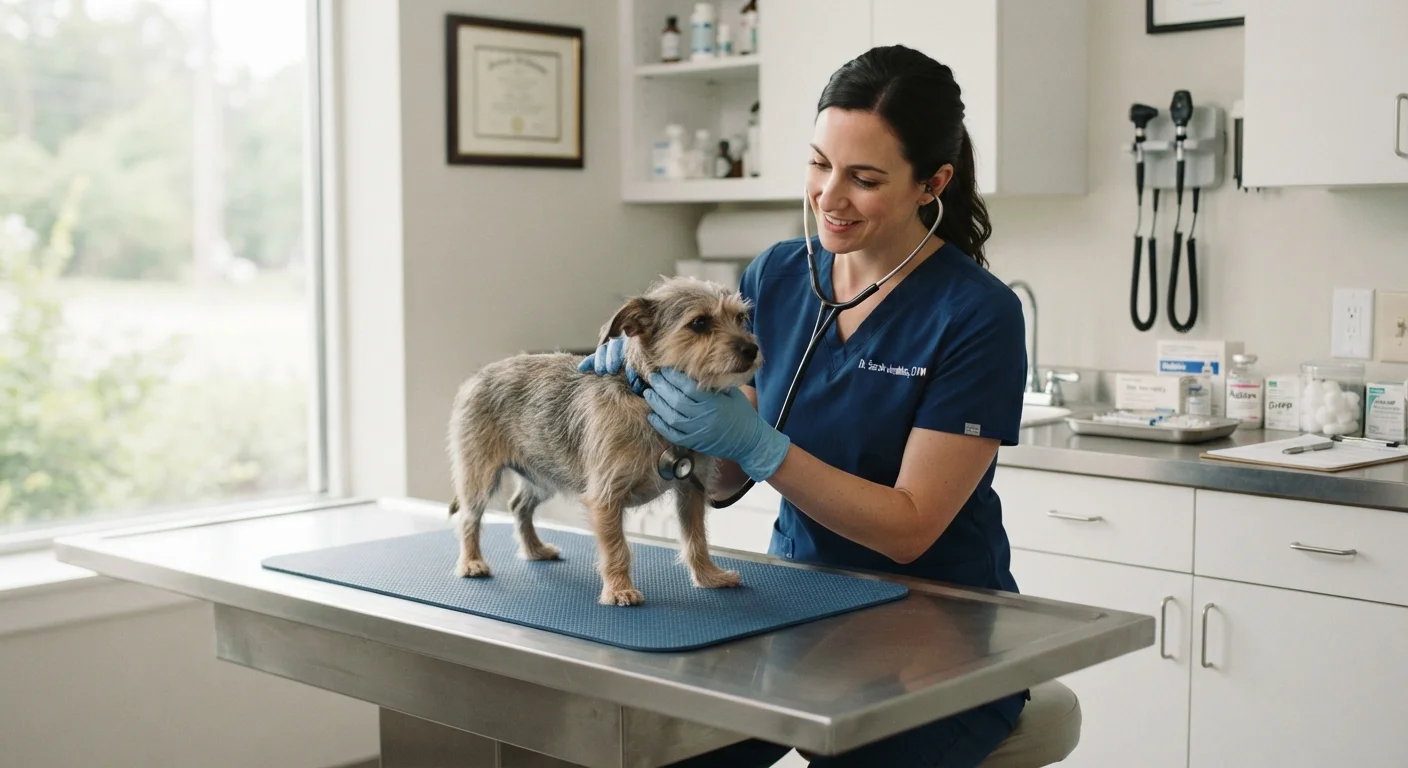
Not every vaccine is right for every pet. Understand the difference between core and non-core immunisations and how vets decide what your animal needs.
Key takeaways
- Core vaccines are recommended for virtually all dogs or cats because the targeted diseases pose broad risk.
- Non-core vaccines are given only when a pet's specific lifestyle or environment creates real exposure risk.
- Your vet assesses lifestyle, location, and health history before recommending any non-core immunisation.
- Vaccine schedules differ between puppies, kittens, adult animals, and seniors.
- Rabies vaccination is legally required in most US states for both dogs and cats.
- Keeping vaccination records current matters for boarding, grooming, travel, and emergency care situations.
What makes a vaccine 'core'
A vaccine earns core status when the disease it targets meets specific criteria: the illness is widespread across the US, causes serious harm or death, has limited treatment options once contracted, or can spread from animals to people (zoonotic transmission). These conditions exist regardless of whether a dog lives in a city apartment or a rural property, which is why every animal in that species category gets the same recommendation.
For dogs, core vaccines cover canine distemper, adenovirus (hepatitis), parvovirus, and rabies. These are often combined into a single injection labeled DHPP or DA2PP. For cats, the core group includes feline panleukopenia (distemper), feline herpesvirus-1, calicivirus, and rabies. The first three are typically combined in the FVRCP vaccine.
Rabies deserves a separate note. It is the only pet vaccine with a legal requirement in most US states. The specific schedule (one year, then three years) depends on the product used and local ordinance. Your vet will confirm what applies in your area.
For a broader look at building your new pet's health foundation, see the first 90 days health checklist.
How non-core vaccines work
Non-core vaccines are not optional in the sense of being unimportant. They are optional in the sense that a specific animal's risk of encountering the pathogen may be low enough that vaccination would provide little benefit. The decision requires an honest look at what the animal actually does and where it goes.
Common non-core vaccines for dogs include Bordetella bronchiseptica (kennel cough), leptospirosis, Lyme disease, and canine influenza. For cats, feline leukemia virus (FeLV) is a widely recommended non-core vaccine, particularly for cats with outdoor access or contact with unfamiliar cats.
Ask about lifestyle at every annual visit
Your pet's routine can change from year to year, and so can local disease patterns. Telling your vet about any new activities, travel, or contact with other animals lets them reassess whether non-core vaccines still match your animal's actual risk. A quick conversation each year is more useful than assuming last year's plan still fits.
A dog that visits a boarding facility, attends training classes, or uses a dog park has frequent close contact with other animals. That animal's risk profile for Bordetella and canine influenza is meaningfully higher than a dog that stays home. Most boarding and grooming facilities require proof of Bordetella vaccination before entry.
Leptospirosis, a bacterial infection spread through water and soil contaminated by wildlife urine, is another example where geography matters. Dogs in areas with dense wildlife populations or frequent puddle or pond exposure face higher exposure odds than dogs in dry urban environments.
How your vet decides what your pet needs
A good vaccination conversation with your vet covers several areas: where the animal spends time, whether it contacts other animals, travel plans, regional disease patterns, the animal's age, and any prior health conditions. This process is sometimes called a lifestyle assessment.
Age affects both the schedule and the immune response. Puppies and kittens receive a series of core vaccines starting around 6 to 8 weeks, with boosters every few weeks until 16 weeks of age. This series is necessary because maternal antibodies (passed through the mother's milk) can interfere with early vaccines, so multiple doses improve the chance that at least some take hold while the animal's own immune system matures. Adult animals receive boosters on a schedule that varies by vaccine and product type, typically one to three years.
Senior pets may have different considerations. Immune function can change with age, and some vets reassess frequency or run titer tests (blood tests measuring existing antibody levels) before recommending boosters. See how health needs shift in older pets for more on age-related care changes.
Vaccination is one part of a broader prevention picture. Several common illnesses are largely avoidable with consistent habits, and staying current on immunisations is one of the most direct prevention tools available.
This article is for general informational purposes only and is not a substitute for professional veterinary advice. Always consult a licensed veterinarian for guidance specific to your pet's health needs.
Frequently Asked Questions
The content on this site is for informational purposes only and is not a substitute for professional advice. Always consult a qualified professional for guidance specific to your situation.