
Common Foods That Are Unsafe for Dogs and Cats

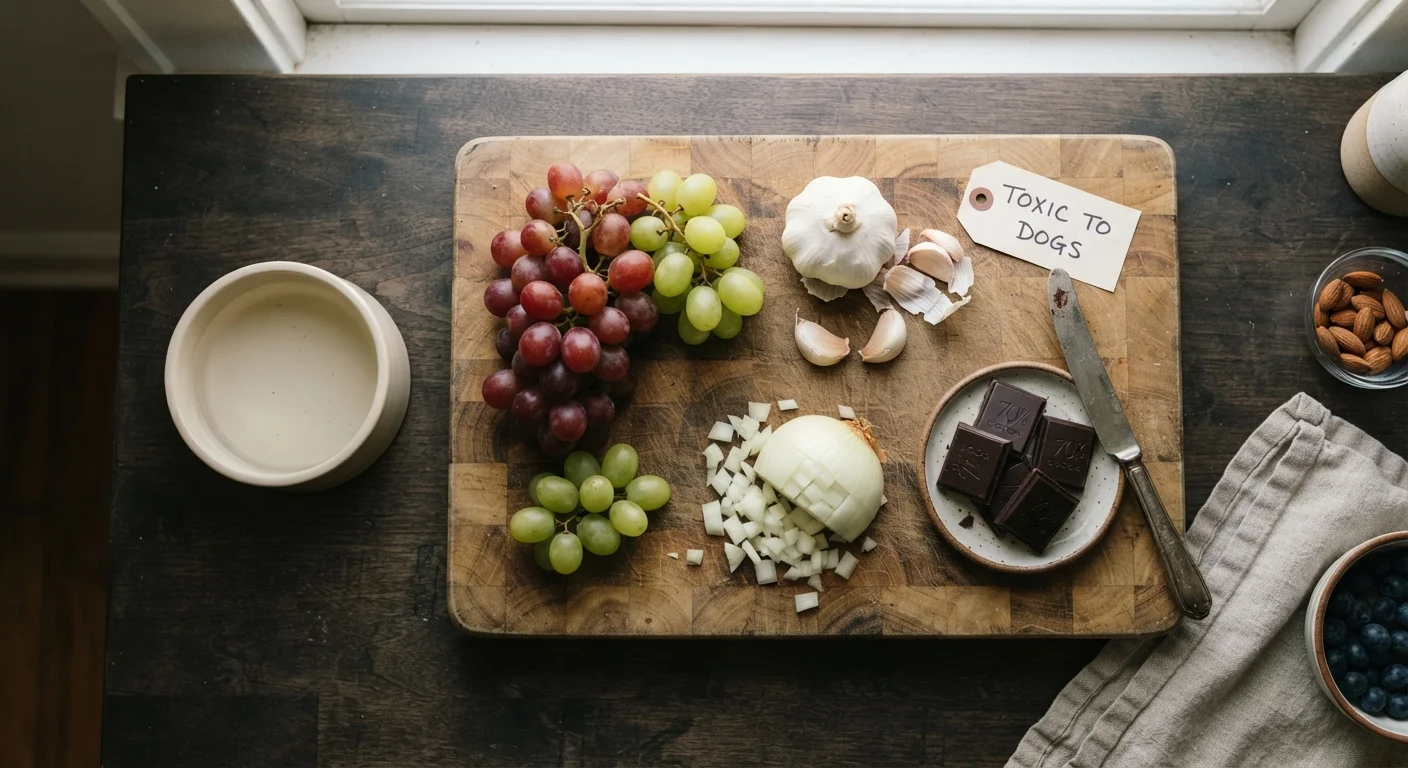
A clear reference list of household foods that are toxic or harmful to dogs and cats, with a brief explanation of why each poses a risk.
Why some human foods are dangerous for pets
Dogs and cats metabolize food differently than humans. Compounds that the human body processes without trouble can overwhelm a pet's liver, damage red blood cells, or cause life-threatening drops in blood sugar. The size of the animal matters: a small amount of a toxic food can cause a severe reaction in a five-pound cat but produce only mild symptoms in a large dog. Neither outcome is acceptable, and there is no safe threshold for the foods listed here.
This article is general health information for pet owners, not veterinary advice. If you suspect your pet has eaten something harmful, contact your veterinarian or an animal poison control hotline immediately.
For a broader look at how food choices connect to long-term pet health, see preventable pet health problems owners frequently overlook.
Hemolytic anemia
A condition in which red blood cells are destroyed faster than the body can produce them. In pets, it can result from eating Allium plants and causes symptoms such as weakness, pale gums, and rapid breathing.
Methylxanthines
A class of naturally occurring compounds that includes caffeine and theobromine. Pets metabolize these compounds much more slowly than humans, allowing toxic levels to build up.
Xylitol
An artificial sweetener derived from birch or corn. In dogs, it causes a dangerous drop in blood sugar and can cause liver damage at higher doses. It is sometimes listed on labels as 'birch sugar.'
Hypoglycemia
Abnormally low blood sugar. In dogs exposed to xylitol, this can occur within 30 to 60 minutes and requires immediate veterinary care.
Thiamine (vitamin B1)
An essential B vitamin required for normal nerve function. Regular consumption of certain raw fish destroys thiamine in the gut, which can lead to neurological problems in cats and dogs.
Foods unsafe for dogs and cats
The items below are harmful to both species unless otherwise noted.
| Species most sensitive to Allium plants | Cats (though dogs are also at risk) (Merck Veterinary Manual) |
| Time to kidney failure signs after grape ingestion in dogs | 24 to 72 hours (ASPCA Animal Poison Control data) |
| Xylitol onset of hypoglycemia in dogs | 30 to 60 minutes after ingestion (Merck Veterinary Manual) |
| Poison control resource | ASPCA Animal Poison Control Center (24-hour hotline) |
| Most dangerous chocolate type for pets | Baking chocolate and dark chocolate (Merck Veterinary Manual) |
Onions, garlic, leeks, and chives
Every plant in the Allium family contains compounds called organosulfoxides that damage red blood cells and can cause hemolytic anemia. Cooked, raw, or powdered forms are all toxic. Cats are more sensitive than dogs, but both are at risk with repeated or large exposures.
Grapes and raisins
The exact toxic substance in grapes and raisins is not yet identified, but even small quantities have caused acute kidney failure in some dogs. Individual sensitivity varies widely, which makes any exposure a veterinary emergency. There is limited evidence of toxicity in cats, but the risk is sufficient to avoid grapes entirely for both species.
Chocolate and caffeine
Chocolate contains theobromine and caffeine, both methylxanthines that dogs and cats cannot metabolize quickly. Dark chocolate and baking chocolate have far higher concentrations than milk chocolate, but all forms pose a risk. Symptoms include vomiting, abnormal heart rhythm, tremors, and seizures.
Xylitol (birch sugar)
Xylitol is an artificial sweetener found in sugar-free gum, certain peanut butters, baked goods, and some toothpastes. In dogs, it triggers a rapid release of insulin, causing dangerous hypoglycemia. High doses can also cause liver failure. Current evidence on xylitol toxicity in cats is less clear, but the substance has no place in a pet's diet.
Macadamia nuts
Macadamia nuts are toxic to dogs and can cause weakness, hyperthermia, and vomiting within 12 hours of ingestion. The mechanism is not fully understood. Toxicity in cats has not been as thoroughly documented, but avoidance is prudent.
Alcohol and raw yeast dough
Alcohol affects pets at doses far lower than those that affect humans. Raw yeast dough presents a double hazard: it expands in the stomach and produces ethanol as it ferments. Both can cause respiratory distress, low blood pressure, and coma.
Raw fish and certain bones
Raw fish fed regularly can destroy thiamine (vitamin B1) in cats and some dogs, leading to neurological problems. Cooked bones splinter and can perforate the digestive tract. If you prepare food at home for your pet, read about the real trade-offs of homemade pet food before making diet changes.
What to do if your pet eats a harmful food
Do not wait for symptoms to appear. Call your veterinarian or the ASPCA Animal Poison Control Center (a fee-based hotline available 24 hours a day) and give them the animal's weight, the food involved, and a rough estimate of how much was eaten. Bring the packaging if possible.
Do not attempt to induce vomiting unless a veterinarian specifically instructs you to do so, and do not give home remedies. Some interventions can make the situation worse depending on what was ingested.
Reading ingredient lists carefully on packaged treats and table scraps is a habit worth building. The guide to reading a pet food label covers what to look for, including how to spot xylitol and other additives listed under alternative names.
This article is for general informational purposes only and is not a substitute for veterinary advice. Always consult a licensed veterinarian for guidance specific to your pet's health and diet.
The content on this site is for informational purposes only and is not a substitute for professional advice. Always consult a qualified professional for guidance specific to your situation.