
Separation Anxiety in Pets: What It Is and How Behavior Modification Helps

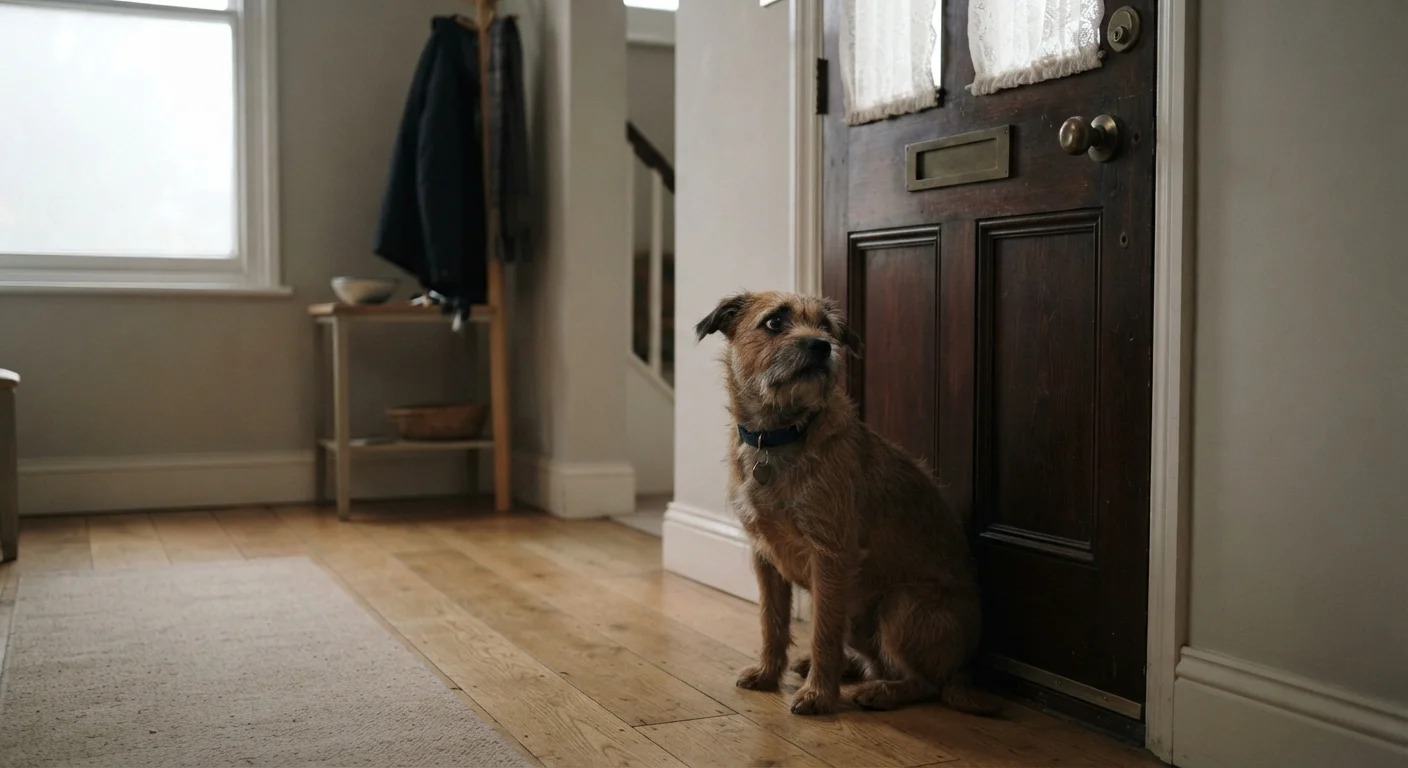
Separation anxiety is one of the most misunderstood pet behavior issues. Learn what it actually involves and how structured desensitization can help.
Key takeaways
- Separation anxiety involves genuine distress, not disobedience or spite.
- Common signs include destructive behavior, house soiling, and excessive vocalization that happen only when the pet is alone.
- Systematic desensitization, the gradual and controlled exposure to alone time, is the evidence-backed core of behavior modification.
- Medication may support behavior modification in severe cases; a veterinarian should evaluate this option.
- Progress requires consistency, and setbacks during training are normal and manageable.
What separation anxiety actually looks like
Pet owners often describe separation anxiety as their animal being "destructive" or "acting out." Those descriptions miss what is actually happening. A pet with separation anxiety is not being defiant. The animal is in a state of panic that it cannot regulate on its own.
The most telling feature is timing. Behaviors tied to separation anxiety appear at the moment of departure, or even at pre-departure cues such as a bag being packed or shoes being put on, and they stop when the owner returns. That window is what separates anxiety from general behavior problems.
Common signs in dogs include:
- Destructive chewing or scratching, especially near exit points like doors and windows
- Urinating or defecating indoors despite being house-trained
- Barking, howling, or whining that neighbors notice
- Pacing, drooling, or panting without a physical cause
- Attempts to escape that sometimes result in self-injury
Cats may show different signals, including over-grooming to the point of hair loss, house soiling, and loud vocalization. For a broader look at how stress shows up physically and behaviorally across species, see signs of discomfort owners often miss.
This article is for general informational purposes only and is not a substitute for professional veterinary or behavioral advice. If your pet is showing signs of distress, consult a licensed veterinarian.
Why pets develop separation anxiety
Separation anxiety does not have a single cause. Several factors can contribute, and they often overlap.
A history of rehoming or shelter stays is one recognized risk factor. Animals that have experienced repeated loss of attachment figures may become hypervigilant about a new owner's absence. Sudden changes in routine, such as a household member leaving for school or a work schedule shifting, can also trigger onset in a previously settled animal.
Some breeds have a genetic predisposition toward close human attachment, which can make them more vulnerable when that attachment is disrupted. Lack of early socialization and insufficient exposure to being alone during puppyhood or kittenhood also appears in the behavioral literature as a contributing factor.
Environmental stressors compound the problem. A pet already dealing with noise sensitivity, unstable daily routines, or physical discomfort has fewer coping resources when alone. The article hidden stressors in your pet's environment covers how those background factors affect an animal's overall resilience.
Record your pet before assuming the cause
A short video recorded on a phone or tablet while you step outside for 10 to 15 minutes gives you concrete evidence of what your pet actually does when alone. Many owners discover the behavior is more severe than neighbors suggested, or, in some cases, less severe than feared. That footage is also useful information to share with a veterinarian or behaviorist.
How behavior modification works
Behavior modification for separation anxiety centers on systematic desensitization: a structured process of exposing the pet to departures in small, manageable increments so the animal gradually learns that being alone is safe and temporary.
The core steps follow this pattern:
- Identify the earliest cue that triggers anxiety, often something that happens well before the actual departure, such as picking up keys.
- Begin with that cue alone, without leaving. Repeat until the pet shows no stress response to it.
- Progress to very brief physical separations, measured in seconds at first, and return before distress escalates.
- Extend duration incrementally, only moving forward when the pet is calm at the current level.
The word "gradual" is not a suggestion. Jumping ahead too fast resets progress because a full panic response reinforces the fear. The goal is to keep each session below the threshold where the pet becomes distressed.
Counter-conditioning often runs alongside desensitization. This means pairing departures with something the pet finds genuinely pleasant, such as a food puzzle that only appears when the owner leaves. Over time the animal builds a new association with being alone.
Consistency across all household members matters. Building a training routine your pet will stick to outlines how to structure sessions that fit a realistic daily schedule.
When behavior modification needs additional support
For mild to moderate cases, a structured desensitization program is often sufficient. Severe cases, particularly those involving self-injury or complete inability to tolerate any separation, may need veterinary input alongside behavioral work.
A veterinarian can assess whether an underlying medical issue is contributing to the anxiety and can discuss whether medication is appropriate. In some animals, medication reduces the baseline level of arousal enough that behavior modification can actually take hold. Neither approach works as well in isolation for severe presentations.
A veterinary behaviorist (a veterinarian with specialty board certification in behavior) can design a formal treatment protocol when general guidance is not producing results. Asking your regular veterinarian for a referral is a reasonable starting point.
Avoid training approaches that rely on punishment or flooding, which means forcing the animal to remain in the feared situation until it stops reacting. Both methods can worsen anxiety and damage the animal's trust. The evidence base supports reward-based, gradual exposure as the safer and more durable path.
Frequently Asked Questions
The content on this site is for informational purposes only and is not a substitute for professional advice. Always consult a qualified professional for guidance specific to your situation.