
Pre-Purchase Inspection: Getting a Used Car Checked Before You Commit

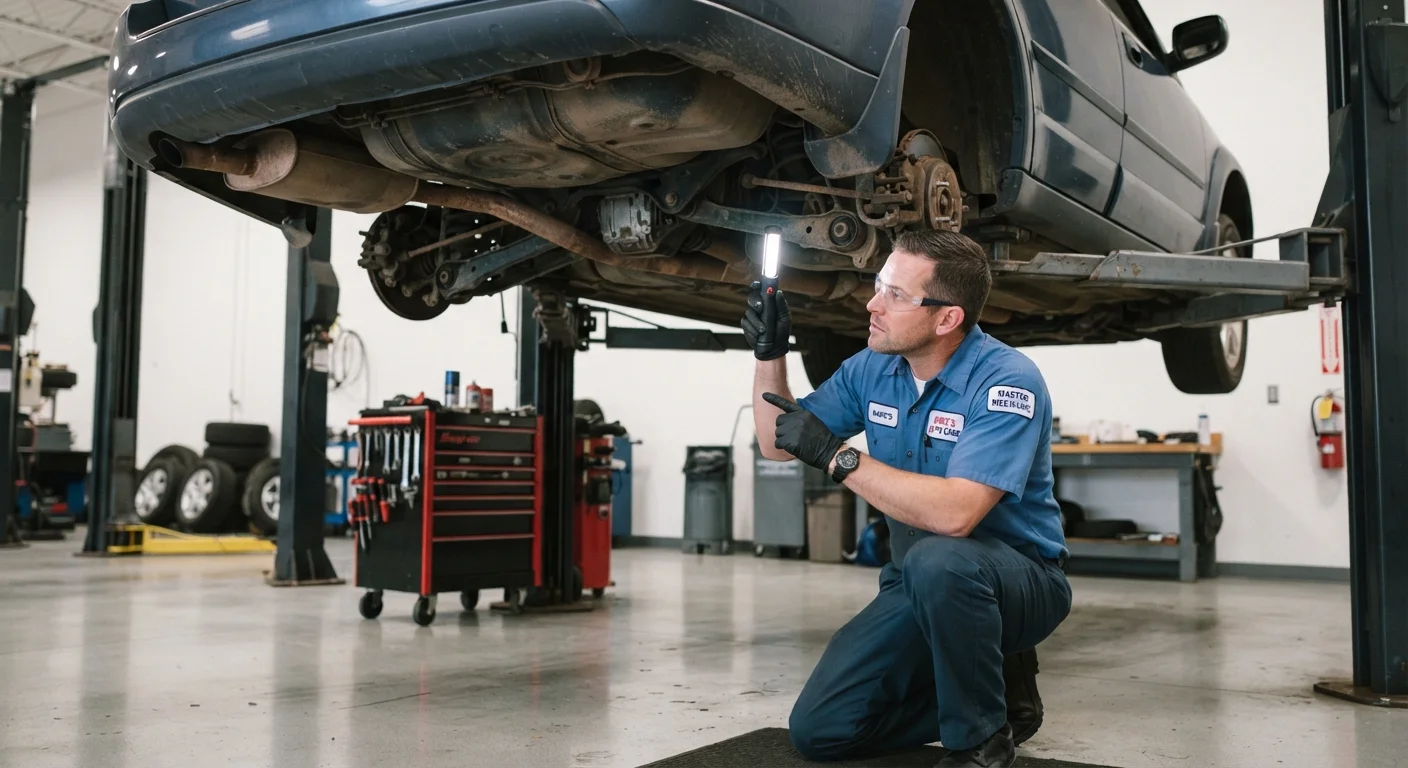
Find out what a pre-purchase inspection involves, how to arrange one, and which items a mechanic should examine before you sign anything.
Key takeaways
- A pre-purchase inspection (PPI) is an independent mechanical evaluation of a used car before you buy it.
- Any licensed mechanic can perform a PPI; you do not have to use a shop the seller recommends.
- A PPI typically costs between $100 and $200 and can reveal problems worth far more to repair.
- The inspection should cover the engine, transmission, brakes, suspension, electrical system, and body condition.
- A seller who refuses to allow an inspection is a significant warning sign worth taking seriously.
- The PPI report gives you factual leverage to renegotiate price or walk away with confidence.
What a pre-purchase inspection actually is
A pre-purchase inspection (PPI) is a comprehensive mechanical and visual evaluation of a used vehicle carried out by a qualified mechanic who has no financial interest in whether the sale happens. It differs from the seller's own claims, a vehicle history report, or a quick test drive. Those sources can tell you about past ownership and surface impressions; a PPI tells you about the current physical state of the car.
The inspection is not the same as a standard safety check or an emissions test. A PPI goes deeper, examining components that are expensive to repair and easy to hide in photos or listing descriptions. For context on how a PPI fits into a broader used car decision, see how certified pre-owned vehicles differ from standard used cars, since CPO vehicles carry manufacturer-backed inspections that change the equation somewhat.
Anyone buying a used car from a private seller or a dealer should consider a PPI standard practice, not an optional extra. It is one of the most cost-effective steps available before committing thousands of dollars.
What you will need
How to arrange the inspection
You choose the mechanic, not the seller. Select an independent shop with no connection to the person or dealership selling the vehicle. A mechanic who depends on the seller for referrals has a conflict of interest, even if unintentional. Ask friends, family, or a local automotive association for recommendations, or search for shops with strong verified reviews in your area.
Call ahead and describe what you need. Tell the shop it is a pre-purchase inspection on a specific make, model, and year, and ask how long they need and what they charge. Most PPIs take one to two hours. If the seller is a dealer, ask whether they will allow the car to be driven or transported to an independent shop. Most reputable dealers will say yes. For private sellers, the same question applies.
If the seller objects to any independent inspection, treat that resistance as a meaningful signal. A vehicle in sound condition rarely needs to be shielded from scrutiny. You can read more about navigating private seller dynamics in our guide to the private sale car buying process.
Review the listing and vehicle history before booking
Before spending money on an inspection, spend time on the listing itself. Check the VIN (Vehicle Identification Number) against a history report to identify prior accidents, title issues, odometer discrepancies, or open recalls. Our guide on how to read a used car listing without getting misled explains what listing language and photos can and cannot tell you.
If the history report raises serious red flags, such as a salvage title or a major structural accident, you may decide not to proceed to a PPI at all. Use this step to filter before you invest further time and money.
Book an independent mechanic and confirm access with the seller
Contact your chosen shop, confirm their PPI fee and availability, and then notify the seller. Give the seller the shop's address and coordinate a time for the vehicle to be there. If the car cannot be driven (due to mechanical issues), arrange transport. Get the seller's agreement in writing, even a simple text message, confirming they consent to the inspection.
Do not schedule the inspection at the seller's preferred shop unless you have independently verified that shop has no relationship with the seller.
Have the mechanic inspect these specific areas
A thorough PPI covers the following areas:
- Engine: Look for leaks, corrosion, worn belts and hoses, and signs of overheating or prior repairs.
- Transmission: Check fluid condition and test shifting behavior in both drive and reverse.
- Brakes: Measure pad and rotor thickness; inspect brake lines for corrosion or leaks.
- Suspension and steering: Check for worn bushings, ball joints, and shock absorbers.
- Tires: Measure tread depth and look for uneven wear, which can indicate alignment or suspension problems.
- Electrical system: Test the battery, alternator output, lights, windows, and climate controls.
- Body and frame: Inspect for rust, misaligned panels, overspray, or evidence of prior collision repair.
- Undercarriage: Check for rust, leaks, and damage to the exhaust system and fuel lines.
- Fluid levels and condition: Assess oil, coolant, brake fluid, and power steering fluid for age and contamination.
Ask the mechanic to put the car on a lift so the underside can be examined directly, not just estimated from ground level.
Request a road test as part of the inspection
A static inspection catches a great deal, but some problems only appear when the engine is warm and the vehicle is moving. Ask the mechanic to include a road test covering acceleration, braking, and highway speeds if the shop's process allows. Listen for unusual noises, check that all warning lights clear after startup, and confirm the transmission shifts smoothly.
If the seller will not allow a road test, note that limitation in your decision-making. It does not necessarily mean the car has problems, but it narrows what the mechanic can assess.
Review the written report and decide your next step
Once the mechanic delivers the report, read it before leaving the shop if you can. Ask the mechanic to clarify anything unclear and to give repair cost estimates for any flagged items. A vehicle with minor issues is common and often manageable; a vehicle with multiple expensive problems requires a harder look at whether the asking price still makes sense.
You have three reasonable paths: proceed with the purchase as-is, negotiate a lower price or seller-paid repairs, or walk away. All three are legitimate outcomes of a PPI. The goal of the inspection is to make that decision with real information rather than assumptions.
Using the inspection report
A good mechanic will give you a written summary of findings, often categorized by urgency: items that need immediate attention, items to monitor, and things in good condition. Read through it carefully before any further conversation with the seller.
If the report identifies repairs, get a rough cost estimate from the mechanic. You can then decide whether to renegotiate the asking price, ask the seller to make specific repairs before purchase, or walk away. None of those options is automatically the right one; it depends on the severity of the issues, the vehicle's price relative to its market value, and your own situation.
The PPI report is also useful after purchase. It documents the vehicle's condition at the time of sale, which can matter if a dispute arises later. Before you reach the signing stage, consult our checklist of questions worth asking before signing a car purchase agreement to avoid surprises on fees, warranties, and financing terms.
The content on this site is for informational purposes only and is not a substitute for professional advice. Always consult a qualified professional for guidance specific to your situation.