
Litter Box Avoidance in Cats: Behavioral Causes and How to Respond

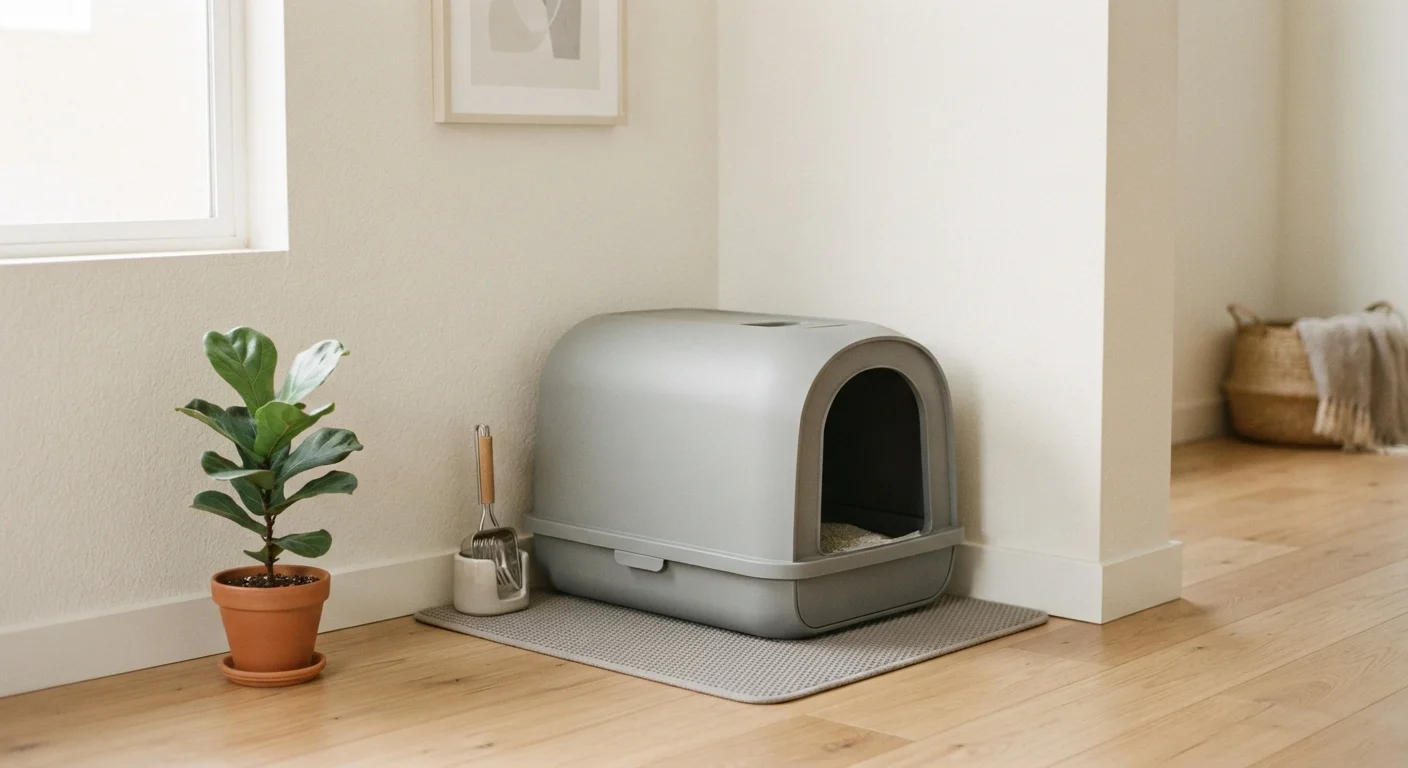
When a cat stops using its litter box, behavior is often a contributing factor. Learn to identify triggers and adjust the environment or routine accordingly.
Key takeaways
- Litter box avoidance often has a behavioral or environmental cause, not just a medical one.
- Box placement, cleanliness, and the number of boxes available all affect whether a cat will use them.
- Punishment for accidents makes avoidance worse, not better.
- A sudden change in litter box habits always warrants a veterinary check to rule out health issues first.
- Stress, household changes, and inter-cat conflict are common but often overlooked triggers.
Why cats stop using the litter box
Litter box avoidance is one of the most common reasons cat owners seek veterinary or behavioral guidance. The behavior can look like stubbornness or spite, but cats do not eliminate outside the box to retaliate. There is always an underlying cause, either physical, environmental, or related to stress.
A cat that suddenly changes its elimination habits is communicating that something in its situation is not working. Identifying what that something is requires looking at health, setup, and routine together. Several preventable problems fall into this category, and litter box avoidance is one of the clearer ones when caught early.
Rule out medical causes first
Before addressing any behavioral explanation, a veterinarian should examine your cat. Urinary tract infections, kidney disease, diabetes, and arthritis can all cause a cat to avoid its litter box. Treating a medical problem as a behavior problem delays necessary care and can put your cat at risk.
The most common mistakes owners make
Most cases of litter box avoidance trace back to a manageable error in setup, maintenance, or response. The mistakes below appear repeatedly in veterinary and animal behavior contexts. Correcting even one of them sometimes resolves the problem entirely.
Assuming the problem is purely behavioral without a vet visit.
Why it happens: Owners often notice the accident first and look for a behavioral explanation, skipping a medical check.
Keeping too few litter boxes for the number of cats in the home.
Why it happens: Many owners assume one box is enough, especially for a single cat, or that cats will simply share.
Placing the litter box in a high-traffic, noisy, or hard-to-reach location.
Why it happens: Owners often tuck boxes away for their own convenience near appliances, in closets, or next to food bowls.
Switching litter types abruptly or choosing a scented litter.
Why it happens: Owners buy a different product assuming their cat will adapt, or pick scented litter to control odors for their own comfort.
Not cleaning the box frequently enough.
Why it happens: Owners underestimate how sensitive cats are to odor, or assume scooping every few days is sufficient.
Overlooking household stress as a trigger for avoidance.
Why it happens: Changes like a new pet, a new baby, construction noise, or a moved piece of furniture can seem minor but register as significant disruptions for cats.
Punishment backfires consistently
Scolding, startling, or physically moving a cat after an accident does not teach it to use the litter box. Cats do not connect after-the-fact corrections to past behavior. Punishment increases stress and anxiety, which are themselves common triggers for litter box avoidance. Address the environment and routine instead.
For context on how stress affects other aspects of feline behavior, see the related guide on what works in cat training, which covers how feline motivation and anxiety shape responses to environmental conditions.
When the problem persists
If you have addressed box cleanliness, placement, number, and litter type, and your cat still avoids the box, document the pattern. Note when accidents happen, where they occur, and whether any recent change preceded them. This information helps a veterinarian or a certified applied animal behaviorist narrow down the cause.
Cats that develop a surface or location preference, for example consistently choosing a carpet corner or a specific room, may need a temporary box placed in that spot while they are gradually redirected. Anxiety-related avoidance sometimes requires a longer adjustment period, particularly in homes where the social environment has changed.
Tracking other behavioral shifts like changes in grooming alongside elimination changes gives a fuller picture of how your cat is coping with its environment.
10%
Cats affected by elimination problems
The American Association of Feline Practitioners estimates that roughly 10% of cats develop an elimination problem at some point in their lives.
1 per cat + 1
Recommended minimum number of litter boxes
The general veterinary guideline is one litter box per cat in the household, plus one extra, to reduce competition and preference-related avoidance.
This article is for general informational purposes only and is not a substitute for veterinary advice. If your cat's litter box habits change, consult a licensed veterinarian to rule out medical causes before making behavioral adjustments.
The content on this site is for informational purposes only and is not a substitute for professional advice. Always consult a qualified professional for guidance specific to your situation.