
Why Your Brakes Squeal and When to Take It Seriously

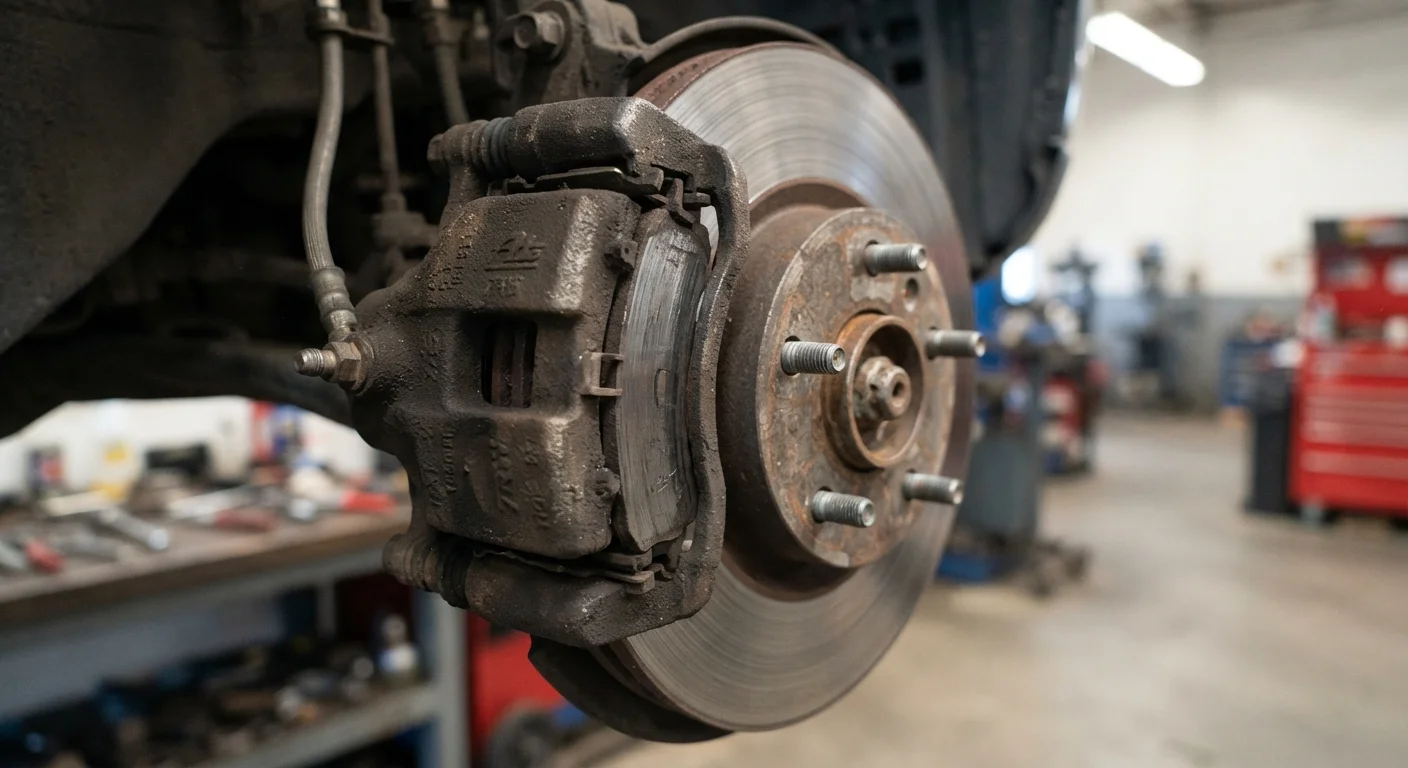
Not every brake squeal signals danger, but some do. Understand the common causes and the signs that mean a mechanic visit cannot wait.
Key takeaways
- Brake squeal has multiple causes, and not all of them signal an immediate safety problem.
- A wear indicator squeal means brake pads need replacement soon; ignoring it leads to rotor damage.
- Grinding or a pulsating brake pedal alongside squeal requires urgent professional inspection.
- Morning or wet-weather squealing that clears after a few stops is usually caused by surface rust on the rotor.
- A qualified mechanic should inspect any brake noise that persists beyond a few minutes of driving.
What actually causes brake squeal
Brake systems are designed to make noise in specific situations. Understanding which situation applies to your car helps you decide how urgently to act.
Surface rust. When a vehicle sits overnight or in wet weather, moisture causes a thin rust film to form on the rotor surface. The first few brake applications grind this film off, often producing a brief scraping or squealing sound. It clears quickly and is normal.
Wear indicators. Most brake pads sold in the US include a small metal tab near the pad's backing plate. When the friction material wears down to a low threshold, this tab contacts the spinning rotor and produces a high-pitched squeal. That noise is intentional. It is a signal that replacement is due, not an emergency in itself, but one you should not ignore for long.
Glazing. If brake pads overheat from repeated hard stops or from a caliper that is not releasing fully, the pad surface can harden and develop a shiny, glazed appearance. Glazed pads lose friction efficiency and often produce a squealing or squeaking tone. A mechanic can resurface or replace the affected components.
Dust and debris. Grit, brake dust, or small road debris can temporarily lodge between pad and rotor, generating noise until it works free. This type of squeal tends to be irregular and short-lived.
Vibration resonance. Brake components vibrate at specific frequencies during stopping. Anti-squeal shims, which are thin layers applied to the back of the pad, dampen this resonance. When shims are missing, worn, or improperly installed, squealing can result even with pads that have plenty of material remaining.
Signs that squeal has crossed into serious territory
The noise itself is only part of the picture. These additional signs mean a professional inspection cannot wait.
- Grinding instead of squealing. A grinding, metal-on-metal sound means pad material is likely exhausted and the backing plate is contacting the rotor directly. This damages the rotor rapidly and reduces stopping power. Stop driving and have the vehicle towed or inspected immediately.
- Pulling to one side while braking. If the car veers left or right during a stop, one brake may be applying more force than the other. A stuck caliper or uneven pad wear can cause this and creates a genuine directional control risk.
- Pulsating or vibrating pedal. A brake pedal that pulses under your foot often indicates warped rotors. Combined with noise, this points to a brake system that is no longer operating within normal tolerances.
- Longer stopping distances. If your vehicle takes noticeably more distance to stop than it used to, the friction material available has likely dropped significantly regardless of what you hear.
- Squeal that never clears. A squeal that persists through the entire drive, not just the first few stops, points to a mechanical issue rather than surface rust.
Worn suspension components can also affect braking behavior by changing how weight transfers during a stop. If you have brake noise alongside an uncomfortable or unstable ride, both systems deserve attention.
Check pad wear through the wheel
On many vehicles you can see the brake pad pressing against the rotor through the spokes of the wheel without removing anything. The pad should have visible friction material remaining. If the pad looks paper-thin or you cannot see material at all, schedule an inspection. This quick visual check takes about 30 seconds per wheel.
What a mechanic will check
A standard brake inspection covers pad thickness, rotor condition, caliper function, and hardware. Technicians measure rotor thickness against the manufacturer's minimum specification, check for scoring or heat damage, and test caliper pistons for proper movement.
Pad thickness is measured in millimeters. Most pads start at around 10 to 12 mm of friction material. Replacement is typically recommended around 3 to 4 mm, and the wear indicator engages before that threshold becomes critical. A mechanic can tell you exactly where your pads stand.
Brake fluid condition is also part of a complete brake system evaluation. Degraded fluid absorbs moisture over time, which lowers its boiling point and can reduce hydraulic pressure under hard braking, sometimes contributing to pedal feel issues alongside noise.
For drivers who handle other routine checks themselves, the small but important items covered in a full vehicle walk-around, such as lights and seals, pair well with a periodic look at brake wear through the wheel spokes.
Frequently Asked Questions
The content on this site is for informational purposes only and is not a substitute for professional advice. Always consult a qualified professional for guidance specific to your situation.