
Wiper Blades, Lights, and Seals: The Small Checks Most Drivers Forget

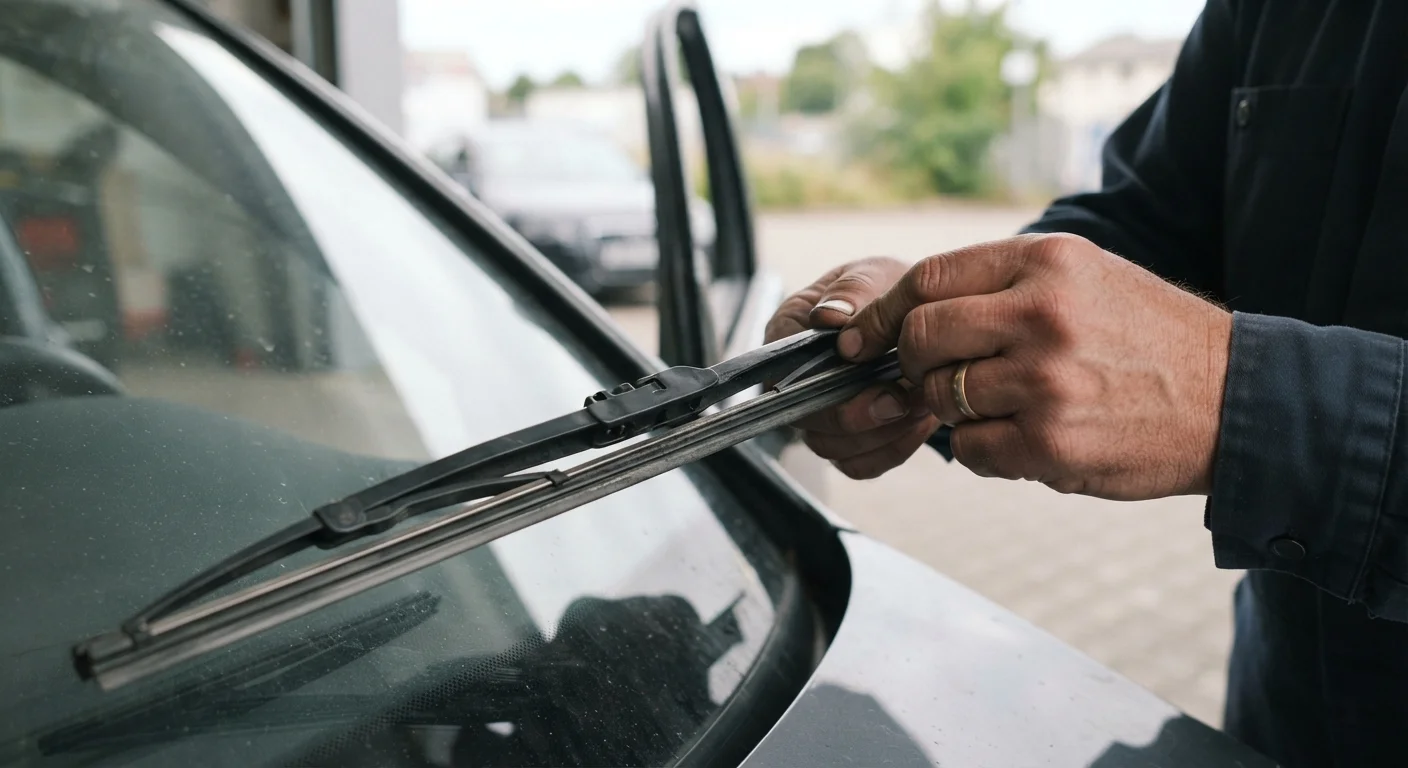
Routine inspections often skip wiper condition, exterior bulbs, and door seals. These small items affect visibility, safety, and interior integrity.
Summary
12 items · 15 to 25 minutes
Key takeaways
- Wiper blades should be replaced roughly every six to twelve months, or sooner if they streak or skip.
- A single burned-out exterior bulb can be a traffic stop, a failed inspection, or a collision risk.
- Deteriorated door and trunk seals allow water intrusion that leads to mold, rust, and electrical damage.
- Most of these checks require no tools and take only a few minutes each.
- Several items here are also part of a broader pre-trip routine covered in related guides.
Why these items keep getting skipped
Oil changes and tire pressure get most of the attention in routine maintenance conversations, and for good reason. But three categories of checks consistently fall through the cracks: wiper condition, exterior lighting, and rubber seals. None of them require lifting the hood. All of them affect safety or vehicle integrity in ways that compound quietly over time.
A wiper blade that streaks across a wet windshield in heavy rain reduces visibility in seconds. A license plate light that has been out for months is a fixable problem that becomes a traffic stop. A door seal that no longer seats properly lets water track into the sill, where it sits against metal and wiring. These are not dramatic failures, but they are preventable ones.
This checklist covers each category with specific things to look for and act on. For a broader walk-around routine, see pre-trip vehicle inspection guide.
Visibility failures happen fast
A wiper blade that performs adequately in light drizzle can fail completely in a heavy downpour. Do not wait for a storm to find out the blades need replacing. Inspect them in dry conditions so you have time to act before you need them.
The checklist
Work through these groups in order. Good natural light or a flashlight helps with seals and bulb sockets.
Wiper blades
Exterior lighting
Door, trunk, and window seals
For context on how wet roads interact with visibility, common myths about driving in the rain addresses several assumptions worth revisiting.
What to do with what you find
Wiper blades are sold at auto parts stores and most general retailers. Replacement is a DIY task on nearly all passenger vehicles: most blades clip or pin onto the arm without tools. If the wiper arm itself is bent or corroded, a mechanic should assess it before a new blade goes on.
Bulb replacement difficulty varies by vehicle. On many older or simpler models, exterior bulbs are accessible with basic hand tools from inside the trunk or engine bay. On some newer vehicles, headlight access requires partial disassembly of the front fascia. If the housing has yellowed or cracked, a bulb swap alone will not restore full light output. A qualified mechanic can advise on lens restoration or replacement.
Door and trunk seals are sold as aftermarket parts for most common vehicles. Cleaning the channel with a mild soap and water solution before fitting a new seal improves adhesion and longevity. If water has already entered the interior, check the carpet and foam underlayer for moisture before closing up the seal. Trapped moisture is what causes mold and long-term rust in door sills and floor pans.
Logging these checks and their outcomes helps track replacement intervals over time. keeping a service log explains what to record and why documentation matters beyond simple reminders. For a full picture of recurring tasks, a year-round maintenance schedule organizes everything by interval.
The content on this site is for informational purposes only and is not a substitute for professional advice. Always consult a qualified professional for guidance specific to your situation.