
Pre-Trip Vehicle Check: What to Inspect Before Any Journey

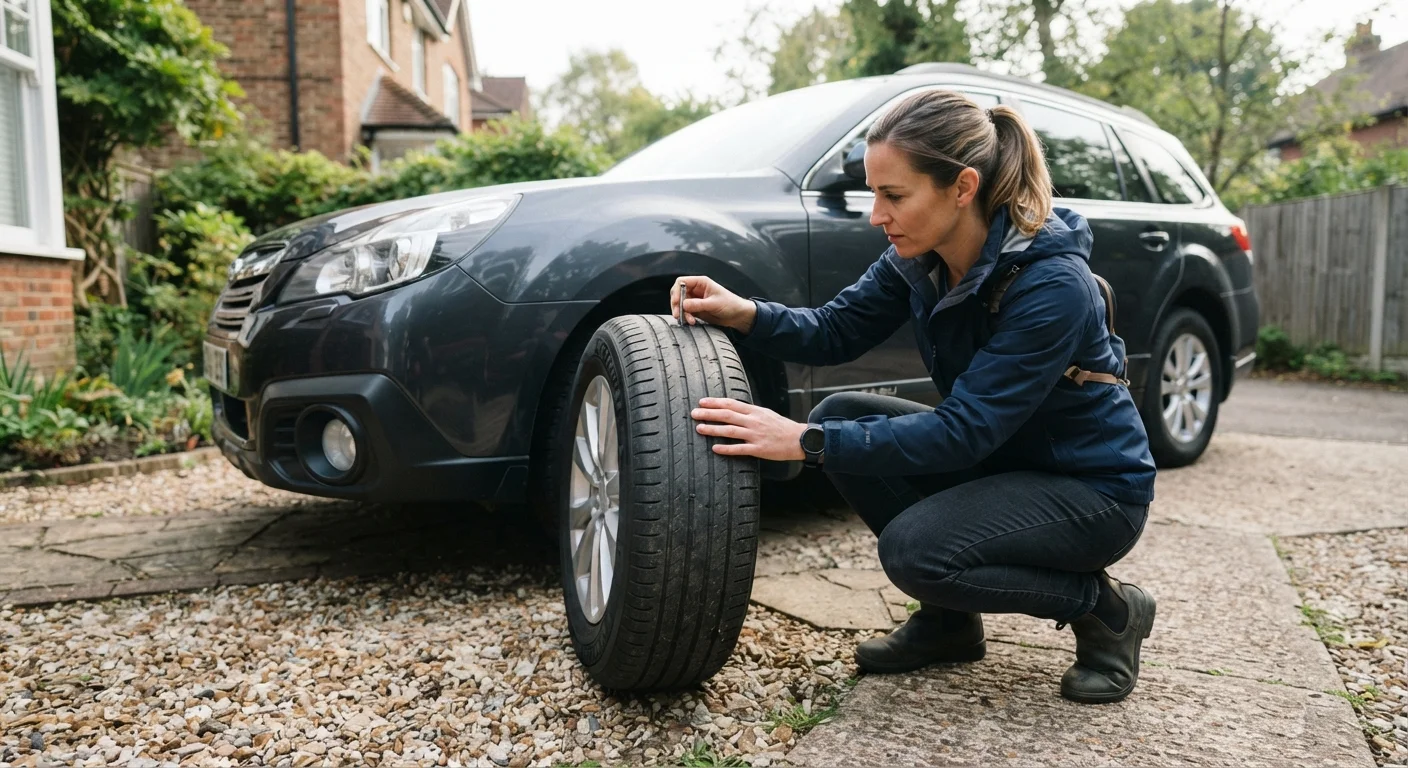
A quick walk-around before driving can catch tyre pressure issues, fluid leaks, and visibility problems before they become roadside emergencies.
Summary
16 items · 5 to 15 minutes
Key takeaways
- Tyre pressure and tread condition are the most time-sensitive checks before any drive.
- Fluid levels take under two minutes to scan and can prevent costly mechanical failures.
- Lights and wipers affect visibility for you and other road users, not just your own safety.
- A walk-around covers exterior damage, obstructions, and under-vehicle leaks in one pass.
- A quick interior check confirms mirrors, seatbelts, and warning lights before you leave.
Why a pre-trip check matters
Most roadside breakdowns trace back to something a driver could have spotted at home. Tyre failures, overheating engines, and dead batteries are rarely sudden; they follow warning signs that go unnoticed because no one looked. A structured walk-around before driving costs a few minutes and addresses the most common causes of breakdowns and collisions.
This checklist covers the checks worth doing before any journey, whether a daily commute or a multi-hour drive. For longer trips, combine it with a year-round maintenance schedule so nothing reaches a critical point between service intervals.
When to call a mechanic, not just check
If you find brake fluid significantly below the minimum line, see a red warning light, or notice a fluid leak you cannot identify, do not attempt to diagnose the problem yourself and continue driving. These conditions can involve safety systems. A qualified mechanic should assess the vehicle before it is used again.
The pre-trip checklist
Work through these groups in order. The exterior walk-around first, then under the hood, then the interior. That sequence means you check the most visible problems before getting inside the vehicle.
Exterior walk-around
Under the hood
Interior and controls
For a deeper look at tyre pressure and tread wear, see the tyre pressure and tread depth inspection routine. Fluid checks have their own dedicated steps in the essential car fluid checks guide.
What to do if you find a problem
Not every issue means you cannot drive. A low washer fluid reservoir is easy to top up before you leave. A warning light on the dashboard is different: if you cannot identify what it signals, consult your owner's manual before starting the engine. Red warning lights generally indicate a condition that needs immediate attention. Yellow or amber lights often mean a system requires service soon.
If you notice an unfamiliar fluid puddle under the vehicle, do not drive until a qualified mechanic identifies the source. Brake fluid, coolant, and transmission fluid leaks can each cause rapid and serious mechanical failures. Suspension warning signs follow a similar principle: unusual sounds or handling changes warrant a professional assessment, not a delayed appointment.
Keep a record of anything you find and when. A service log makes patterns easier to spot and supports any warranty or insurance claim if an issue worsens.
The content on this site is for informational purposes only and is not a substitute for professional advice. Always consult a qualified professional for guidance specific to your situation.