
Fluid Checks Every Driver Should Know by Heart

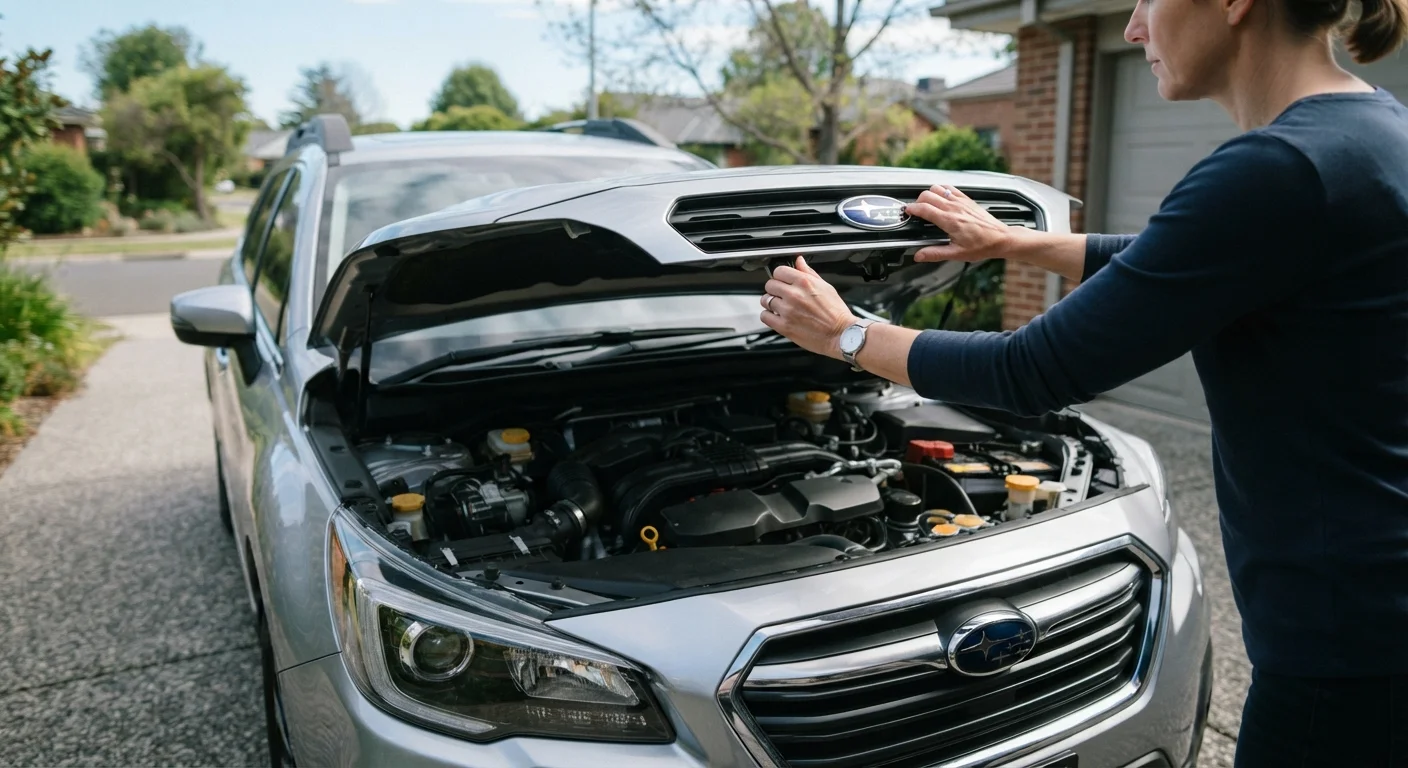
Oil, coolant, brake fluid, power steering, and windscreen wash all need periodic attention. Here is a consolidated guide to checking each one correctly.
Key takeaways
- Five fluids need regular checking: engine oil, coolant, brake fluid, power steering fluid, and windshield washer fluid.
- Most checks require only a clean rag, adequate lighting, and a cold or fully warmed engine depending on the fluid.
- Low or contaminated fluid is often the earliest warning sign before a more serious mechanical problem develops.
- Checking fluids monthly takes less time than a coffee stop and can extend the life of major vehicle systems.
- When fluid levels drop repeatedly without explanation, that signals a leak requiring professional diagnosis.
What you need before you start
Park on a level surface before checking any fluid. A sloped driveway throws off dipstick readings and reservoir sight lines. Turn off the engine and let it sit for a few minutes before touching anything under the hood; many components stay hot long after the car stops moving.
Keep a clean lint-free rag handy for wiping dipsticks. Good lighting matters more than most drivers expect, so use a flashlight if the engine bay is dim. Gloves are optional but sensible, especially when the engine has been running recently.
What you will need
These checks fit naturally into a broader routine. The year-round maintenance schedule covers how fluid checks align with seasonal and mileage-based tasks.
Step-by-step fluid checks
Work through each fluid in order. Completing all five in one session takes less than 20 minutes once you know where each reservoir sits in your vehicle. Owner's manuals vary, so confirm reservoir locations for your specific make and model before the first check.
Check engine oil
Wait at least five minutes after turning off the engine. Pull out the oil dipstick, wipe it clean with a rag, reinsert it fully, then pull it out again. The oil level should fall between the two marks at the bottom of the dipstick. Note the color: healthy oil is amber to light brown. Add the grade specified in your owner's manual if the level is low.
Check engine coolant
Locate the translucent coolant reservoir, usually labeled with a temperature symbol. Read the level against the MIN and MAX markings on the side of the reservoir without opening it. If the level is low, top up with the coolant type specified in your manual, typically a premixed formula. Do not open the radiator cap on a hot engine.
Check brake fluid
The brake fluid reservoir sits on top of the brake master cylinder, usually at the back of the engine bay on the driver's side. Most reservoirs are translucent, so you can read the level without removing the cap. The fluid should sit between MIN and MAX. Brake fluid is typically clear to light yellow when fresh and darkens as it ages.
Check power steering fluid
Many newer vehicles use electric power steering and have no fluid reservoir. If your car has hydraulic power steering, locate the reservoir, typically near the front of the engine bay, and check the level against the markings. Some reservoirs have a dipstick built into the cap; others are translucent with external marks. Top up only with the fluid type your manufacturer specifies.
Check windshield washer fluid
The washer fluid reservoir is usually a large blue or white translucent container with a washer symbol on the cap. Check the level visually. Top up with a premixed washer fluid rated for the temperatures in your area. Plain water can freeze in cold weather and does not clean glass as effectively as formulated washer fluid.
For brake fluid, additional context on how it absorbs moisture and loses effectiveness over time is covered in the brake fluid maintenance guide.
What abnormal readings mean
A fluid that sits below the minimum line on the first check may simply reflect normal consumption. If it reads low again within a week or two after topping up, that pattern points to a leak or an internal consumption problem, neither of which goes away on its own.
Color and clarity matter as much as level. Engine oil that looks black and gritty is overdue for a change. Coolant that appears rusty or oily can indicate a head gasket issue. Brake fluid that has turned dark brown has likely absorbed significant moisture and loses some of its boiling resistance. Any fluid that smells burned warrants a closer look from a qualified mechanic.
Keeping a written note of levels and dates makes it easier to spot trends. The service log guide explains what to record and why documentation pays off over time.
Clear fluid vision under the hood also depends on other vehicle systems being in good shape. The small checks most drivers skip covers items like wiper condition and exterior seals that complement fluid maintenance.
The content on this site is for informational purposes only and is not a substitute for professional advice. Always consult a qualified professional for guidance specific to your situation.