
Defensive Driving: A Practical Overview of the Core Principles

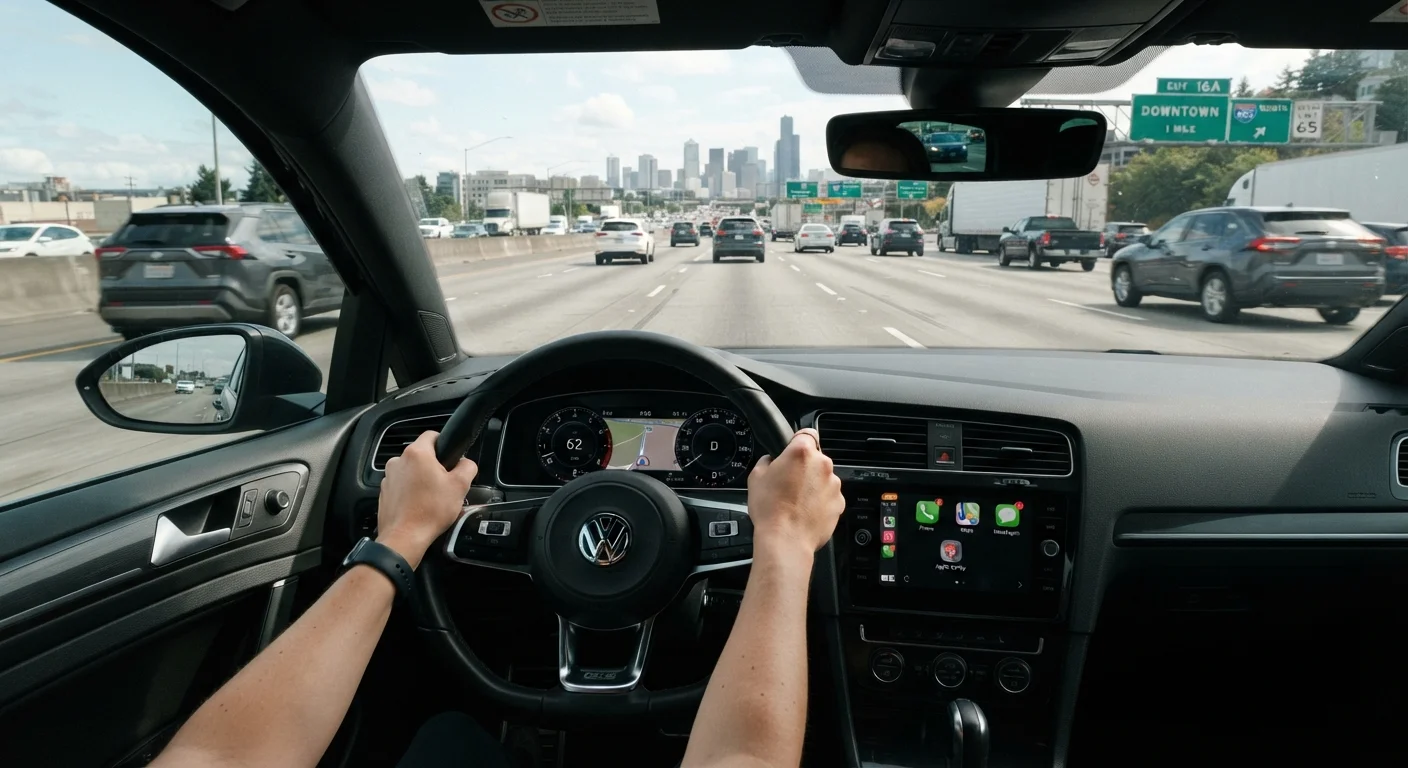
Defensive driving is a system of anticipation and risk reduction, not just cautiousness. Explore its key principles and how they apply to everyday road situations.
Key takeaways
- Defensive driving is a proactive system of anticipation, not a reactive style of caution.
- Maintaining adequate following distance gives you time to respond before a hazard becomes a collision.
- Scanning well ahead and checking mirrors regularly builds a continuous mental picture of surrounding traffic.
- Posted speed limits set a legal ceiling, not a safe target for every road condition.
- Driver distraction and fatigue are among the most common factors in preventable crashes.
What defensive driving actually means
Defensive driving is a set of habits and mental frameworks that reduce crash risk by anticipating problems before they develop. It goes well beyond following traffic laws. A driver can obey every rule and still be caught off guard by a distracted motorist, an unexpected road hazard, or poor weather. Defensive driving fills that gap by training attention and decision-making, not just compliance.
The concept is sometimes misread as overly cautious or slow driving. The goal is accurate risk assessment, which means driving confidently at appropriate speeds while staying alert to conditions that could change quickly. Defensive drivers are not timid; they are deliberate.
This approach applies on every road type. Motorway and urban driving present different cognitive demands, but the same core principles apply to both environments.
Scanning and hazard awareness
Most drivers focus on the vehicle directly ahead. Defensive driving requires a broader, more dynamic scan pattern. The general guideline taught in driver education programs is to look 12 to 15 seconds ahead in city traffic and farther on highways. That range gives your brain time to process a developing situation and respond before it becomes urgent.
Effective scanning means regularly checking mirrors, noting the position of vehicles in adjacent lanes, watching pedestrian behavior at intersections, and tracking vehicles entering from side streets. Each glance adds to a mental map of what is happening around the car.
Intersections deserve particular attention. A significant share of crashes in the United States occur at or near intersections, according to National Highway Traffic Safety Administration data. Even on a green light, a brief check for cross-traffic before proceeding is a simple habit with meaningful protective value.
For a specific environment where scanning becomes harder, night driving requires a meaningfully different approach because reduced visibility compresses the time available to react.
When scanning ahead, actively look for brake lights two or three cars in front, not just the vehicle immediately ahead. Chain reactions in traffic start earlier than most drivers notice.
Reacting to the second or third vehicle ahead rather than the one directly in front gives an extra half-second or more, which is often the difference between stopping safely and a rear-end collision.
After merging onto a highway, avoid settling into a lane position parallel to another vehicle for more than a few seconds. Move ahead or fall back to maintain clear space on at least one side.
Extended side-by-side positioning reduces your escape routes and keeps you in another driver's blind spot longer than necessary.
Space management and following distance
The space around your vehicle is your primary safety buffer. Rear-end collisions are among the most common crash types in the US, and most result from following too closely. The widely used three-second rule provides a baseline: pick a fixed roadside point, watch the vehicle ahead pass it, then count. If your vehicle reaches the same point in fewer than three seconds, you are too close.
Three seconds is a minimum for dry roads and alert drivers. Rain, snow, reduced visibility, and fatigue all call for more distance. At highway speeds, even a moment of inattention can close a gap that took seconds to open.
Space management also means avoiding prolonged positioning in another driver's blind spot, leaving room to the front and sides when stopped in traffic, and giving extra clearance to large trucks, motorcycles, and cyclists, whose stopping distances and stability characteristics differ from a typical passenger car.
New drivers on highways often underestimate how quickly space collapses at speed, making following-distance habits especially worth building early.
Speed and situational judgment
Posted speed limits reflect the maximum legal speed under normal conditions. They are not a target for every situation. Rain reduces tire traction. Fog shortens sight lines. Heavy traffic compresses reaction time. A speed that is legal may still exceed what the conditions support.
Defensive driving means adjusting speed to match what you can actually see and respond to. If your headlights illuminate 300 feet ahead and you cannot stop within that distance at your current speed, you have exceeded a safe range, regardless of what the sign reads. This concept is sometimes called driving within your sight distance.
Roundabouts are one place where speed judgment matters on a small scale. Understanding how to enter and exit a roundabout correctly includes choosing an approach speed that allows you to yield without abrupt braking.
Communication on the road
Defensive driving is partly about predicting other drivers, and partly about being predictable yourself. Using turn signals early, making eye contact with pedestrians before proceeding, and avoiding sudden lane changes all reduce ambiguity for others around you.
Brake lights, horn use, and headlight flashes carry meaning. Using them clearly and at the right moments reduces the chance that another driver is surprised by your actions. A driver who signals late, changes lanes without warning, or brakes suddenly creates hazards even when following the letter of the law.
Clear communication also means knowing your own vehicle's blind spots and checking them physically, not relying only on mirrors. Shoulder checks before lane changes remain a standard practice for a reason: mirrors do not cover every angle.
Distraction, fatigue, and mental readiness
The NHTSA consistently identifies distraction as a factor in thousands of US fatalities each year. Handheld phone use is the most widely cited source, but in-vehicle systems, passengers, food, and mental preoccupation all divert attention from the road. Even hands-free phone calls have been shown in research to reduce a driver's ability to detect and respond to hazards, because the cognitive load remains high.
Fatigue produces impairment comparable to alcohol intoxication at similar levels of sleep deprivation, according to research from the AAA Foundation for Traffic Safety. Drowsy drivers show slower reaction times, reduced awareness of surroundings, and in severe cases, brief involuntary sleep episodes called microsleeps. Pulling over when fatigued is not a sign of weakness; it is sound judgment.
Mental readiness also means entering the car without bringing the emotional state of an argument, a stressful day, or an urgent deadline into your driving. Stress narrows attention and speeds decision-making in ways that reduce accuracy. A brief pause before starting the vehicle to refocus on the task ahead is a practical habit that costs nothing.
This article is for informational purposes only and does not constitute legal or professional safety advice. Always follow the traffic laws of your state and consult qualified instruction for formal driver training.
The content on this site is for informational purposes only and is not a substitute for professional advice. Always consult a qualified professional for guidance specific to your situation.