
Driving in Rain, Snow, and Fog: Adjusting for Each Condition

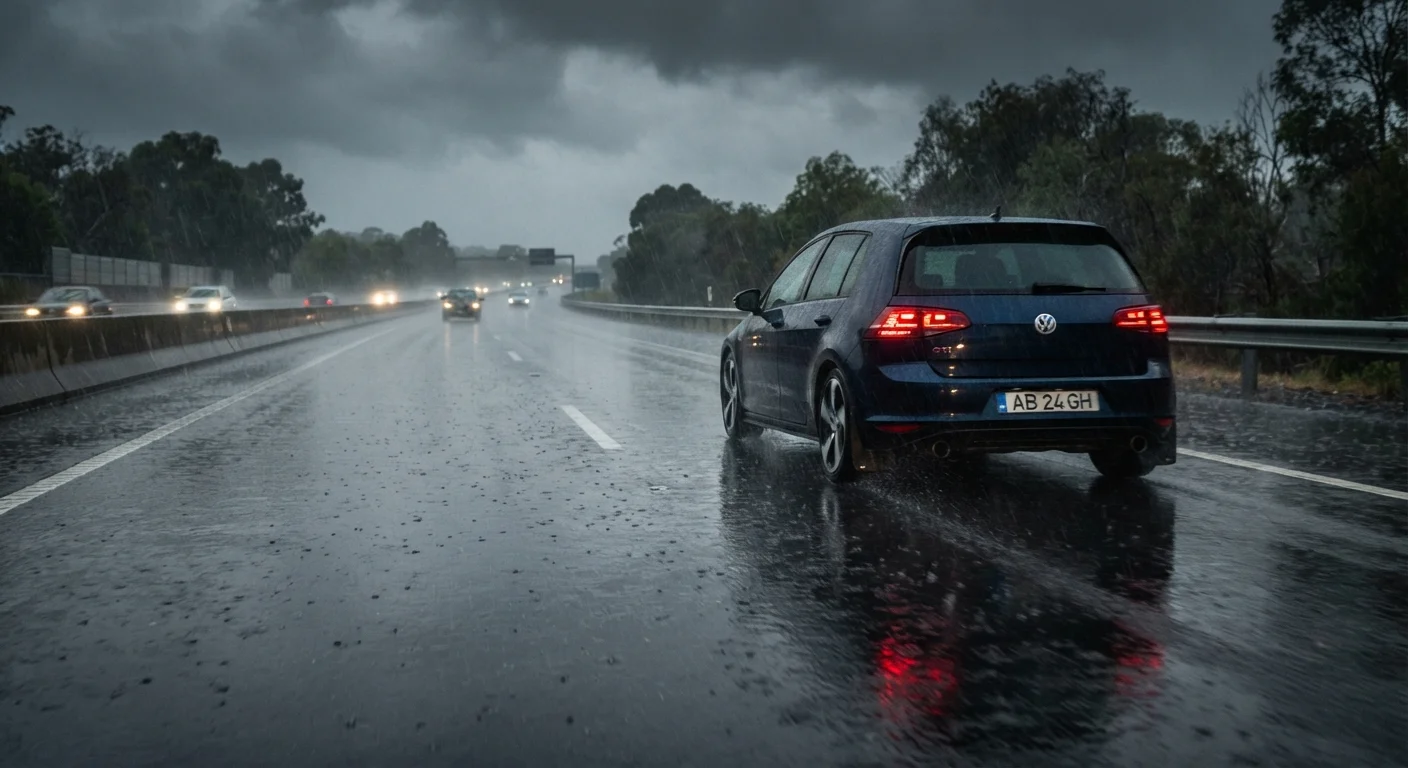
Each weather type creates different hazards for traction, visibility, and reaction time. Here is a practical comparison of how to adapt your driving for each.
Our Verdict
Rain, snow, and fog each demand a specific adjustment in speed, following distance, and light use. No single setting works for all three. Drivers who understand what each condition actually changes about their vehicle and their visibility make better decisions than those applying one-size-fits-all caution.
| Best for | Recommended |
|---|---|
| Drivers in frequently wet climates | Rain techniques |
| Drivers in regions with seasonal snowfall or ice | Snow and ice techniques |
| Drivers in coastal, valley, or early-morning fog zones | Fog techniques |
Key takeaways
- Rain reduces traction gradually; snow reduces it dramatically and unpredictably.
- Fog is a visibility problem, not a traction problem, but speed must still drop.
- Following distance should increase in all three conditions, most in snow and ice.
- Headlight use rules differ across conditions; high beams can make fog worse.
- Each condition rewards smooth inputs: gradual acceleration, early braking, gentle steering.
What each condition actually changes
Weather affects driving through two channels: traction and visibility. Rain affects both. Snow and ice affect traction far more severely than rain. Fog is almost entirely a visibility problem, with road surfaces often remaining dry. Understanding which channel a condition targets helps you respond with the right adjustment rather than a general sense of wariness.
Common myths about wet-weather driving often blur these distinctions, leading drivers to over-correct in some areas while ignoring others.
| Criterion | Rain | Snow/Ice | Fog | |
|---|---|---|---|---|
| Primary hazard | Reduced traction and hydroplaning | Severely reduced traction | Severely reduced visibility | |
| Road surface warning | Visible wet sheen | Usually visible accumulation | Surface often dry | |
| Recommended following distance | 4+ seconds | 8-10 seconds | 4+ seconds, speed-adjusted | |
| Headlight setting | Low beams on | Low beams on | Low beams only, no high beams | |
| Speed adjustment | Moderate reduction | Significant reduction | Match to visible stopping distance | |
| Key driver risk | Hydroplaning at speed | Sliding on curves or stops | Striking unseen stopped vehicles |
Driving in rain
Wet roads reduce the friction between your tires and the pavement. At higher speeds, water can build up faster than your tire treads can displace it, causing hydroplaning, where the tire rides on a film of water and loses contact with the road entirely. Steering and braking inputs become ineffective during a hydroplane event. If it happens, release the accelerator gently and hold the steering wheel straight until the tires regain contact.
Rain also reduces visibility through windshield spray, limited wiper capacity in heavy downpours, and headlight glare from oncoming traffic. Turn on your headlights whenever you use your wipers. In most U.S. states this is legally required, and it makes your vehicle visible to others rather than just improving your own sightlines.
Increase your following distance to at least four seconds in moderate rain. The two-second rule has real limits in wet conditions, and braking distances can double on wet pavement compared to dry.
Driving in snow and ice
Snow and ice cut available traction far more than rain. Black ice, a thin transparent glaze of ice on pavement, gives no visual warning and can reduce friction to near zero. Roads that look merely wet may be frozen, particularly on bridges, overpasses, and shaded stretches where temperatures drop first.
The core rule is smoothness. Abrupt acceleration spins tires. Hard braking locks wheels or triggers ABS (anti-lock braking system) pulses. Sharp steering inputs cause slides. Reduce speed well before curves rather than braking inside them.
Test traction before you need it
On a quiet, snow-covered road at low speed, briefly tap your brakes to feel how quickly the wheels lock or ABS activates. This gives you a calibrated sense of available grip before you encounter a situation that demands hard braking. Do this only when no other vehicles are present and conditions are safe to do so.
Following distance in snow should be at least eight to ten seconds. Stopping distances on packed snow can be three to four times longer than on dry pavement. Speed limits are set for clear, dry conditions; they do not adjust automatically for snow.
Cold temperatures also stress your tires, battery, and fluids, so vehicle preparation matters before you encounter snow, not during.
Driving in fog
Fog is distinct because your vehicle's traction is usually unchanged, but your ability to see hazards, read road signs, and judge the distance to other vehicles drops sharply. Dense fog can reduce visibility to under 100 feet, which at 55 mph means you have roughly one second to react to something you see.
Use low-beam headlights in fog, not high beams. High beams reflect light back off the water droplets in fog and reduce visibility further. If your vehicle has dedicated rear fog lights, use them so traffic behind you can see your position. Turn them off once conditions clear, as they can dazzle following drivers in normal visibility.
Slow down to a speed where you can stop within the distance you can see ahead. This is sometimes called driving within your headlight range, and it applies in fog regardless of posted limits. If fog is severe enough that you cannot maintain safe speed on a highway, find a safe place to exit and wait rather than pulling onto the shoulder, where you risk being struck by a driver following your tail lights.
Night driving shares some of these visibility limits, and the two conditions together, dark fog, require maximum caution and significant speed reductions.
The content on this site is for informational purposes only and is not a substitute for professional advice. Always consult a qualified professional for guidance specific to your situation.