
Teaching a Rescue Dog to Trust: A Patient, Step-by-Step Approach

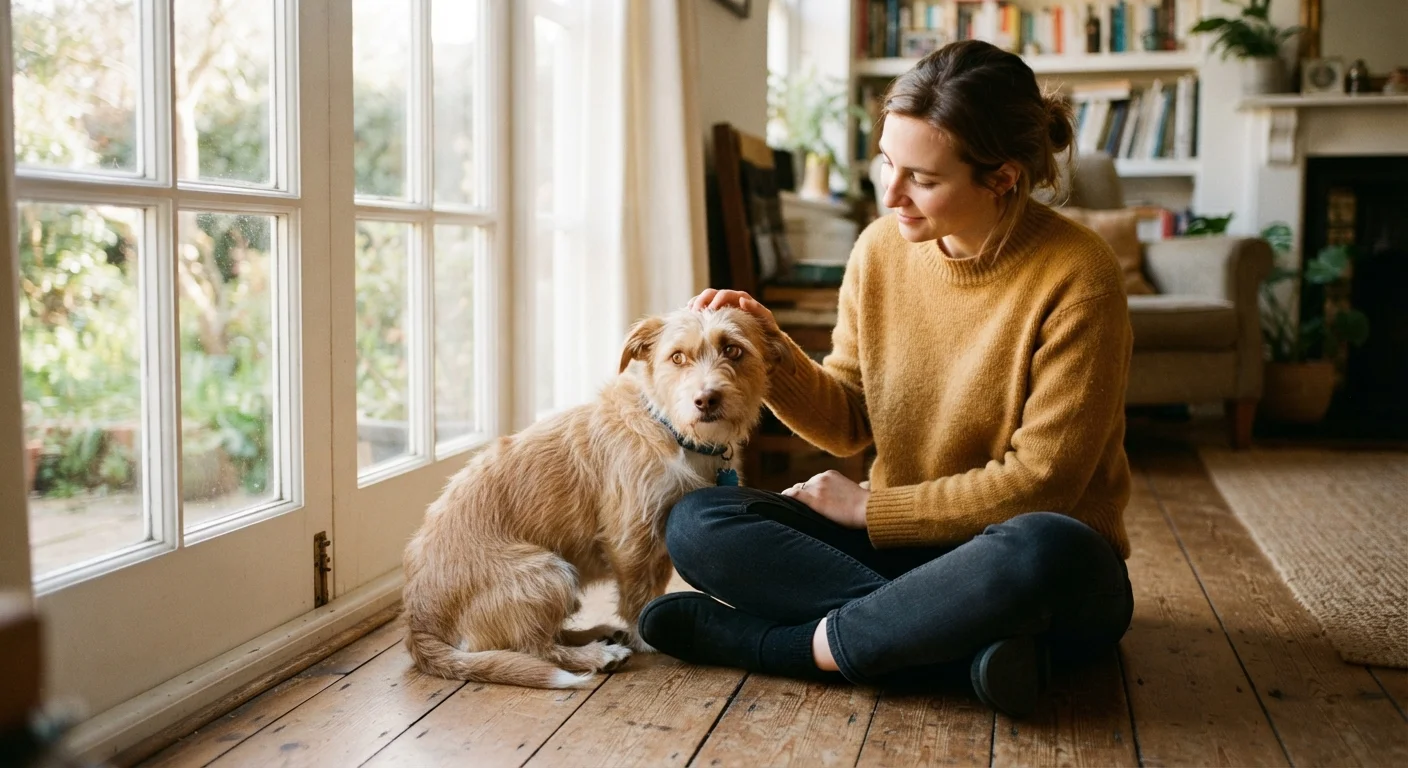
Rescue animals often carry behavioral baggage from past experiences. Explore a gradual, fear-free framework for building confidence and security.
Key takeaways
- Rescue dogs may show fear or avoidance because of past experiences, not stubbornness.
- A predictable daily routine gives an anxious dog a reliable sense of safety.
- Short, low-pressure positive reinforcement sessions build confidence faster than correction-based methods.
- Progress is nonlinear; setbacks during the trust-building process are normal and expected.
- Severe fear responses warrant guidance from a certified veterinary or applied animal behaviorist.
Why rescue dogs often struggle with trust
Many rescue dogs arrive in new homes carrying learned associations between humans and unpredictable or aversive experiences. Some lived through neglect, harsh handling, or repeated rehoming. Others simply had no socialization during the critical developmental window between three and twelve weeks of age. The result can look like shyness, freezing, growling, or hiding, behaviors that are rooted in fear, not in defiance.
A stressed or fearful dog cannot process new information the way a calm one can. Fear suppresses a pet's ability to learn, so any training attempted while the dog is in that state is unlikely to stick. The first task is to lower the dog's anxiety enough that its nervous system shifts out of survival mode. Only then does deliberate skill-building become possible.
First-time adopters often underestimate how long this baseline phase takes. If you are new to dog ownership in general, a daily care overview for first-time dog owners can help you handle the practical side while you work on the emotional side.
What you will need
What to do, step by step
The process below follows a graduated, fear-free framework. Move through the steps in sequence. Each step prepares the dog for the next one; skipping ahead when the dog seems 'fine' is the most common reason progress stalls.
Set up a decompression space before the dog arrives
Choose a quiet room or corner and place a crate, covered bed, or pen there. Stock it with water and a few items with neutral scents. Keep foot traffic near this area minimal for the first several days. The goal is to give the dog a place it can go to feel invisible and safe, which lowers baseline stress before any training starts.
Let the dog set the pace for physical interaction
Sit on the floor near the dog's space and avoid direct eye contact, which many dogs read as a threat. Extend one hand low and wait. If the dog sniffs or approaches, mark the moment with a quiet 'yes' and place a treat on the floor rather than hand-feeding, which can feel pressuring at first. If the dog does not approach, do not reach toward it. Repeat this over multiple short sessions each day.
Build a predictable daily schedule
Feed, walk, and rest the dog at the same times every day. Predictability reduces the cognitive load on a dog that has learned to expect unpredictability from humans. Within one to two weeks, many rescue dogs begin to anticipate meals and walks as safe, reliable events, which anchors them emotionally and makes training sessions easier to absorb.
Introduce short, reward-based training sessions
Once the dog reliably approaches you for treats, begin two- to three-minute training sessions for simple behaviors such as 'sit' or 'hand target' (touching its nose to your open palm). Use a clicker or verbal marker, then treat. End every session before the dog loses interest. The behavior itself matters less at this stage than the experience: the dog learns that engaging with you produces good things and nothing bad follows.
Gradually expand the dog's comfortable zone
After two to four weeks of in-home progress, introduce new environments at the dog's pace. Start with quiet outdoor spaces, then busier ones. Use the long line so the dog has freedom to move without the tension of a short leash. Watch for stress signals: yawning, lip-licking, ears flat, tail tucked, or freezing. When you see them, move farther from the stressor and wait for the dog to relax before continuing. For dogs that show leash reactivity alongside fear, understanding leash reactivity can help you separate the two issues.
Recognize regression and respond without frustration
A dog that seemed comfortable may suddenly refuse to approach you or hide after a loud noise, a visit from a stranger, or a vet trip. This is normal. Return to an earlier step, reduce the environment's complexity, and rebuild from where the dog is now, not where it was last week. Regression does not erase prior learning; it signals temporary overwhelm.
This article is for informational purposes only. If your dog shows aggression, severe anxiety, or self-harming behavior, consult a certified applied animal behaviorist (CAAB) or a veterinary behaviorist before continuing home training.
What comes after trust is established
Once your dog approaches you reliably, tolerates handling, and moves through its environment with visible ease, you are ready to build a formal training routine. Structuring short, consistent sessions gives the dog a framework for learning new behaviors on top of the emotional stability you have already built.
Grooming is another area where trust-building pays off directly. A dog that accepts your touch is far easier to brush, bathe, and examine at home. The basics of grooming a dog at home walks through how to introduce each grooming step without overwhelming a sensitive dog.
Before any session, including trust-building ones, checking whether your dog is ready to engage helps you avoid working a dog that is already over its stress threshold.
The content on this site is for informational purposes only and is not a substitute for professional advice. Always consult a qualified professional for guidance specific to your situation.