
Common Myths About Packing Light That Keep Travelers Dragging Heavy Bags

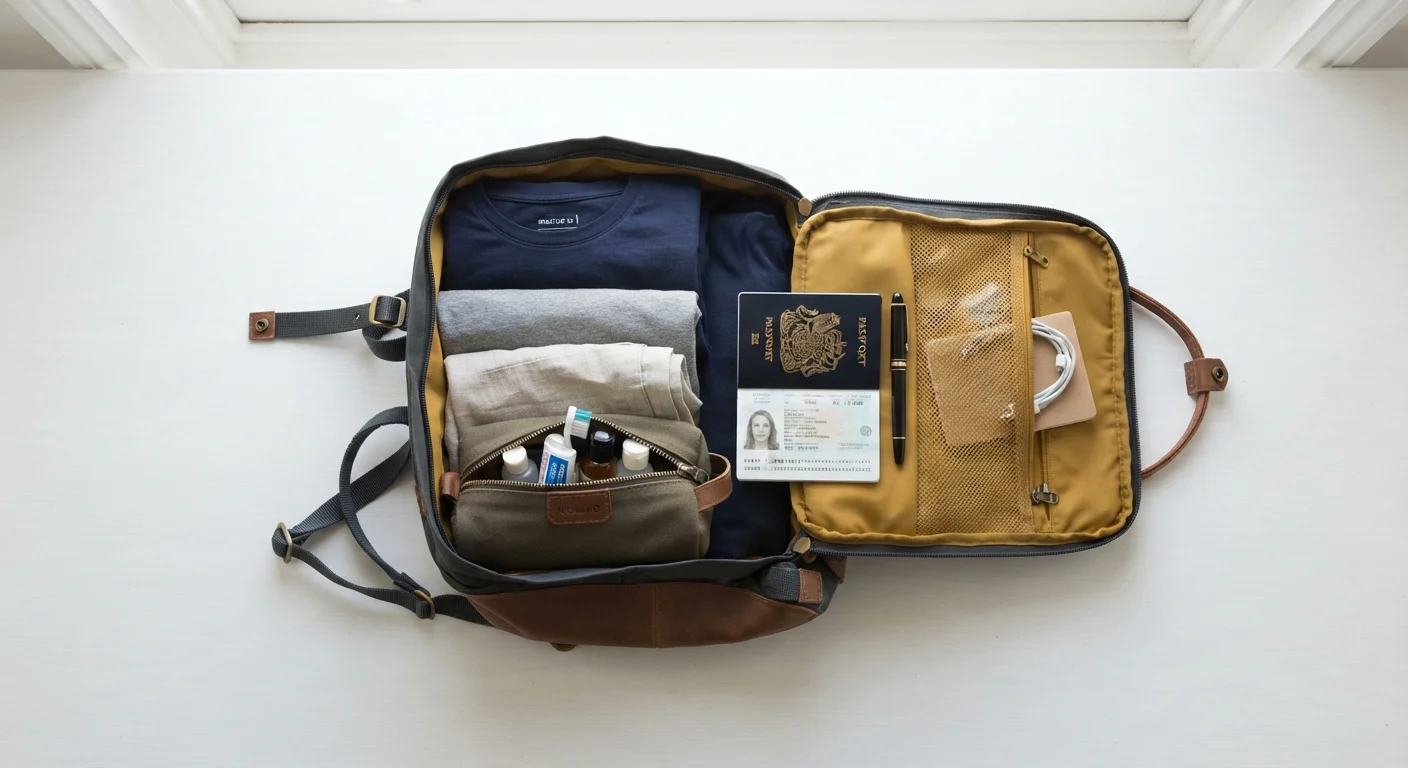
From "you always need options" to "one-bag travel is only for minimalists" - separating packing myths from what experienced travelers actually do.
Key takeaways
- Most travelers wear only a fraction of what they pack, regardless of trip length.
- Laundry options exist at nearly every destination, making repeat outfits entirely practical.
- One-bag travel works across a wide range of trip types, not just minimalist or budget trips.
- The 'just in case' mindset is the most common driver of bag weight, and the hardest to override.
- Packing light does not require expensive gear or a complete wardrobe overhaul to work.
Why packing myths are so sticky
Most overpacking does not come from poor planning. It comes from beliefs about travel that feel true but do not hold up once you test them. These beliefs get passed down through families, reinforced by travel forums, and hardened through anxiety about being unprepared far from home.
The result is a bag that weighs twice what it needs to, causes stress at airports, and fills up with items that never leave the hotel room. Understanding where these myths come from is the first step toward packing with more intention. See also why you keep overpacking and the mental shift that fixes it for a deeper look at the psychology involved.
Myth
You need outfit options for every day of the trip, in case plans change.
Fact
Most travelers rewear clothes and use only a portion of what they pack, even on longer trips.
The logic seems sound: more days means more clothes, and unexpected events require backup options. In practice, most travelers return home with unworn items. A change in plans rarely demands a change of outfit, and re-wearing clothes is normal behavior at home and on the road. Building a small set of pieces that mix and match covers far more combinations than packing one outfit per day, and leaves room in the bag for things you actually need.
Myth
Doing laundry while traveling is too inconvenient to be worth it.
Fact
Laundry services, coin laundries, and sink washing are widely available in most destinations.
Hotels and hostels commonly offer laundry services or have machines on-site. Coin laundromats exist in most cities around the world. Sink washing with a small travel detergent sachet works for underwear and light layers overnight. For a one-week trip, one mid-trip laundry session can halve what you need to pack. The inconvenience is usually 30 to 60 minutes, once.
Myth
One-bag travel is only realistic for minimalists or budget backpackers.
Fact
Carry-on-only travel works across trip types, including business travel, family trips, and cruises.
The assumption is that a single bag signals a certain travel style or budget level. It does not. Many business travelers use carry-on bags to avoid checked-bag fees and delays. Families traveling with children often find that each person carrying their own smaller bag is easier to manage than one large shared suitcase. Even on a cruise, where passengers tend to pack heavily, a carry-on approach is feasible for shorter sailings. The carry-on-only framework covers the core principles regardless of trip type.
Myth
Packing light requires buying expensive gear or specialized travel clothing.
Fact
Light packing is primarily a selection and editing process, not a gear purchase.
There is a thriving market of travel-specific products that promise to make packing lighter easier. Some of them are genuinely useful. None of them are required. The weight in a bag comes from the volume of items packed, not from using the wrong type of clothing. Choosing fewer items from what you already own, prioritizing pieces that serve multiple purposes, and cutting the 'just in case' category are the changes that reduce bag weight. Gear can refine the process once the habit is established.
Myth
Checking a bag is always safer than risking being without something you need.
Fact
Most items travelers 'just in case' pack are available to buy or borrow at the destination.
The safety calculus around checked bags includes delays, loss, damage, and fees. Most destinations have pharmacies, grocery stores, and shops where forgotten or needed items can be replaced at reasonable cost. The 'just in case' category, which commonly includes a second pair of shoes, a formal outfit for an event that might happen, and medication for illnesses the traveler does not have, is the primary source of unnecessary weight. A more useful question is: what is the actual cost of not having this, and can I get it there if I need it?
What lighter packing actually looks like in practice
Packing light is not about deprivation. It is about choosing items that cover more situations with fewer pieces. A capsule travel wardrobe built around neutral colors and versatile cuts can cover a week of mixed activities with five or six clothing items. Choosing fabrics that dry quickly and resist odor extends that range further without adding weight.
Organizers such as packing cubes help compress soft items and keep the bag structured, though they do not create space on their own. For a clear comparison of how these tools perform, packing cubes, compression bags, and folder organizers each work differently depending on bag type and trip length.
Toiletries are another area where travelers consistently overpack. Most accommodations provide basic soap and shampoo, and TSA liquid rules create a natural ceiling for carry-on travelers. Solid toiletry formats bypass liquid restrictions entirely and reduce weight. Whether to check a bag or go carry-on only changes the calculus here, and matching the right bag to your journey matters more than most travelers realize before they book.
For those considering whether lighter packing is worth the trade-offs at all, both strategies carry genuine advantages and drawbacks, and the right answer depends on trip type, destination, and personal comfort.
The content on this site is for informational purposes only and is not a substitute for professional advice. Always consult a qualified professional for guidance specific to your situation.