
Why Your Dog or Cat May Be Drinking More Water Than Usual

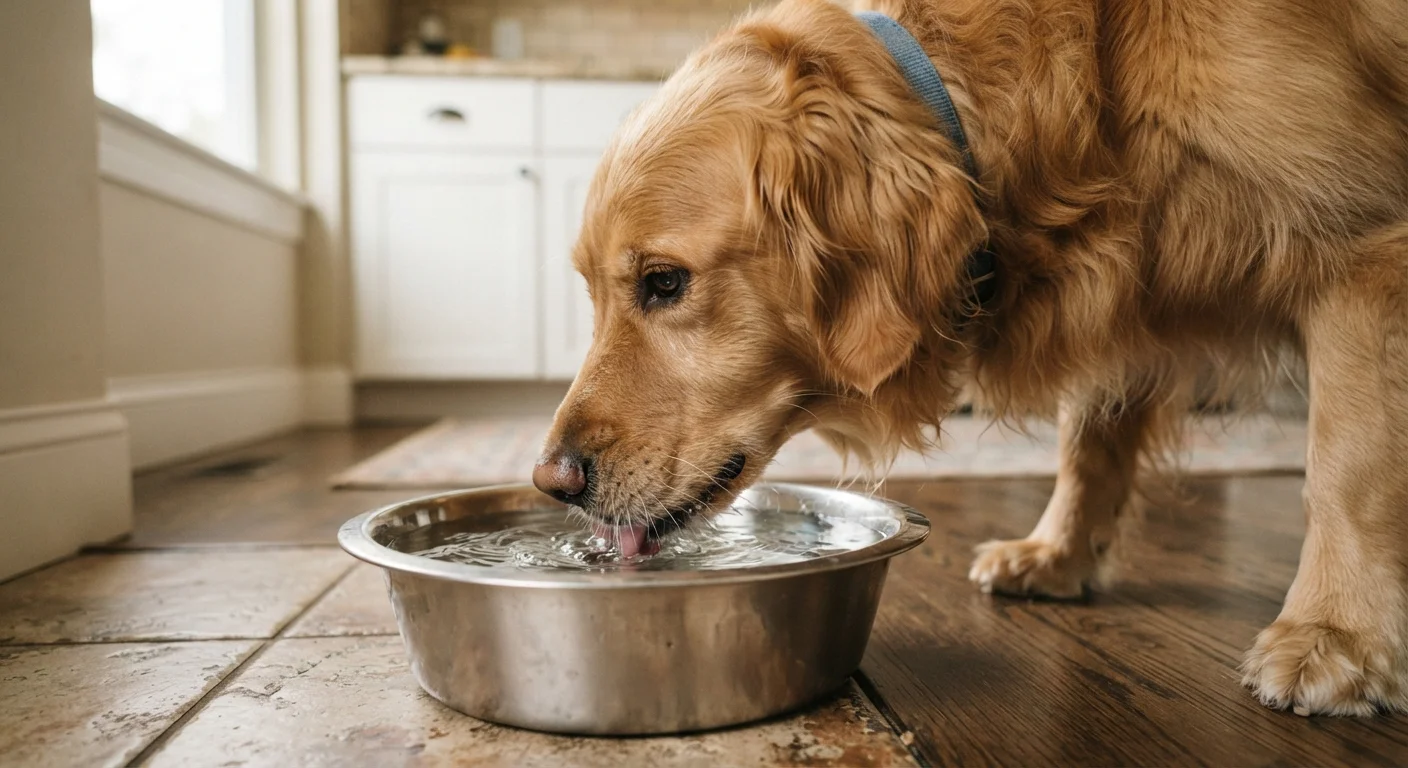
Increased thirst in pets can signal anything from dietary changes to underlying health conditions. Here's what the symptom means and when to act.
Key takeaways
- Increased thirst in pets is a symptom, not a standalone condition, and the cause must be identified by a vet.
- Common causes range from benign changes like a saltier diet to serious conditions like diabetes or kidney disease.
- Tracking how much your pet drinks each day gives your vet useful baseline data.
- Senior pets are more likely to develop conditions associated with increased thirst.
- Prompt veterinary attention is warranted when increased drinking appears suddenly or alongside other symptoms.
What counts as 'more water than usual'
Pet owners often notice a change in drinking habits before they can quantify it. The water bowl empties faster, or a cat that rarely visited the bowl is now there several times a day. These observations matter, but a vet will want more specific information.
A practical way to track intake is to measure the amount of water you put in the bowl each morning, then measure what remains 24 hours later. Do this for two or three days. The resulting average gives your vet a concrete number to work with rather than a vague impression.
Keep in mind that wet food contributes to daily fluid intake. A pet eating mostly wet food will drink less from a bowl than one on dry kibble. Both behaviors can be normal. What concerns vets is a change from a pet's own established pattern, not comparison to another animal. For a broader look at how water intake relates to overall health, see what adequate hydration actually means.
Common causes of increased thirst in dogs and cats
The list of potential causes covers a wide range of severity. Some are straightforward and resolve on their own. Others require ongoing management.
Dietary changes
A recent switch from wet to dry food, new treats, or foods higher in sodium can increase thirst within days. This is among the most common and least worrying explanations. Portion size and food composition both affect how much a pet needs to drink to stay balanced.
Diabetes mellitus
Both dogs and cats can develop diabetes. Excess glucose in the bloodstream draws water out of tissues, triggering thirst and frequent urination. Weight loss and increased appetite alongside heavy drinking are common signs. Diabetes requires veterinary diagnosis and ongoing treatment.
Kidney disease
The kidneys lose the ability to concentrate urine as disease progresses, so the body compensates by drinking more to stay hydrated. Kidney disease is one of the most common chronic conditions in older cats and is also seen in dogs. Senior pets face an elevated risk of kidney-related changes, making regular checkups particularly useful.
Hyperthyroidism (cats)
An overactive thyroid gland is common in middle-aged and older cats. It speeds up metabolism and can lead to increased thirst, weight loss despite a good appetite, and restlessness. Blood tests confirm the diagnosis.
Cushing's disease (dogs)
Cushing's disease, caused by excess cortisol, produces a recognizable cluster of symptoms in dogs: increased drinking and urination, a pot-bellied appearance, increased appetite, and thinning coat. It is more common in middle-aged to older dogs.
Urinary tract infections
Infections of the bladder or urinary tract can irritate the system enough to alter drinking and urination patterns. These are treatable with veterinary care.
A simple way to track daily intake
Use a measuring cup to fill your pet's water bowl each morning. Before refilling the next day, measure what remains and subtract to calculate how much was consumed. Repeat for two or three days to get a reliable average. Bring this number to your vet appointment.
What to tell your vet
When you bring your pet in, the vet will likely ask how long the change has been happening, whether urination has also increased, and whether anything else has changed, including food, routine, or other symptoms. Having your water-intake measurements ready makes that conversation more productive.
Blood work and a urine sample are the standard first steps. These tests can screen for diabetes, kidney function, thyroid levels, and signs of infection in a single visit. Early detection matters for nearly all the conditions listed above. Cats with undetected kidney disease, for example, may already have lost significant function by the time symptoms appear.
For cats specifically, changes in grooming can also accompany systemic illness. Shifts in grooming behavior are worth mentioning to your vet alongside changes in drinking. Conversely, if your concern is that a cat drinks too little rather than too much, signs of low water intake in cats covers that side of the issue.
This article is for general informational purposes only and is not veterinary advice. If your pet's drinking habits change or you notice other symptoms, consult a licensed veterinarian for an accurate diagnosis and appropriate care.
Frequently Asked Questions
The content on this site is for informational purposes only and is not a substitute for professional advice. Always consult a qualified professional for guidance specific to your situation.